Why 10 Minutes of Colouring Trumps Doom-Scrolling at Night This Summer
Zen Colour Art··8 min read

Why 10 minutes of colouring beats doom-scrolling at night
You know the cycle. You lie down after a long summer day, open your phone for "just a quick check," and an hour later discover you've scrolled through headlines, social feeds, and opinions that leave your chest tight and your thoughts racing. This habit, called doom-scrolling, hijacks evenings, disrupts sleep, and leaves you less resilient the next day.
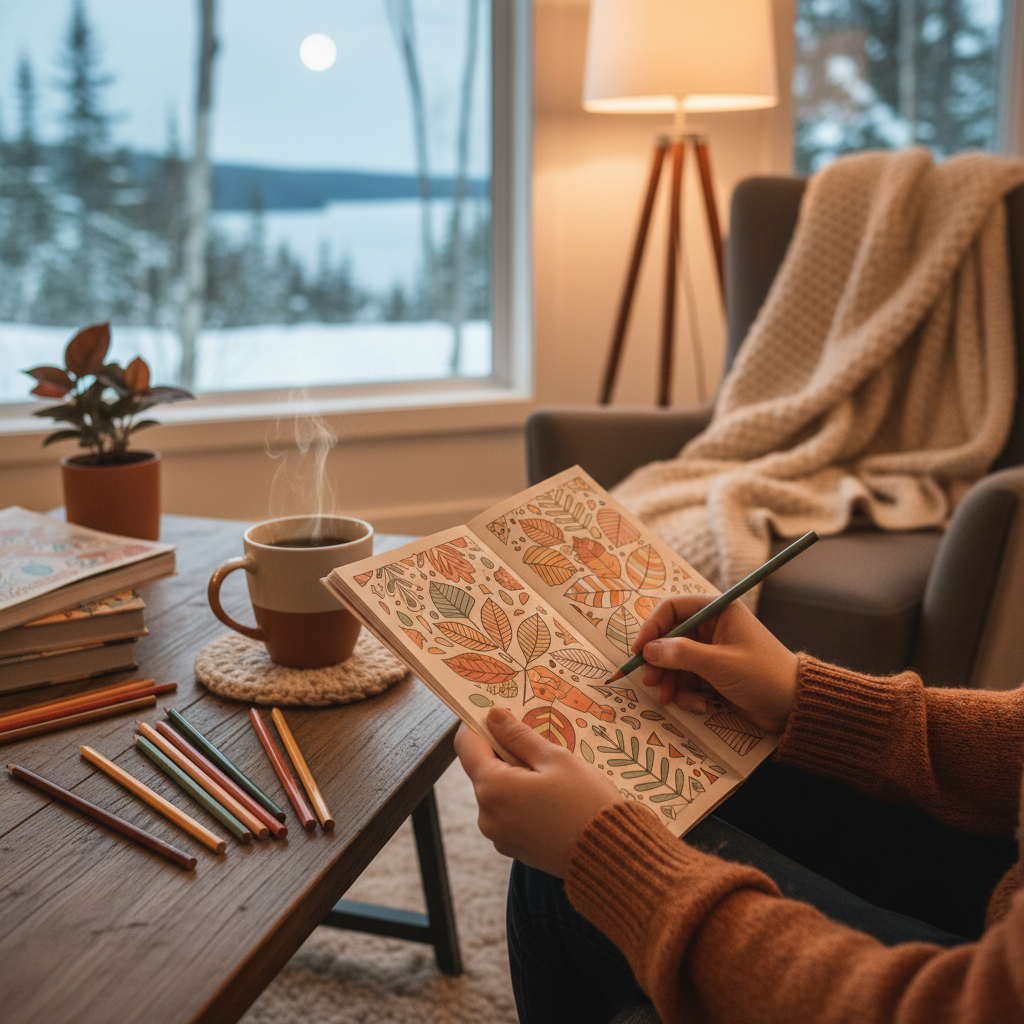
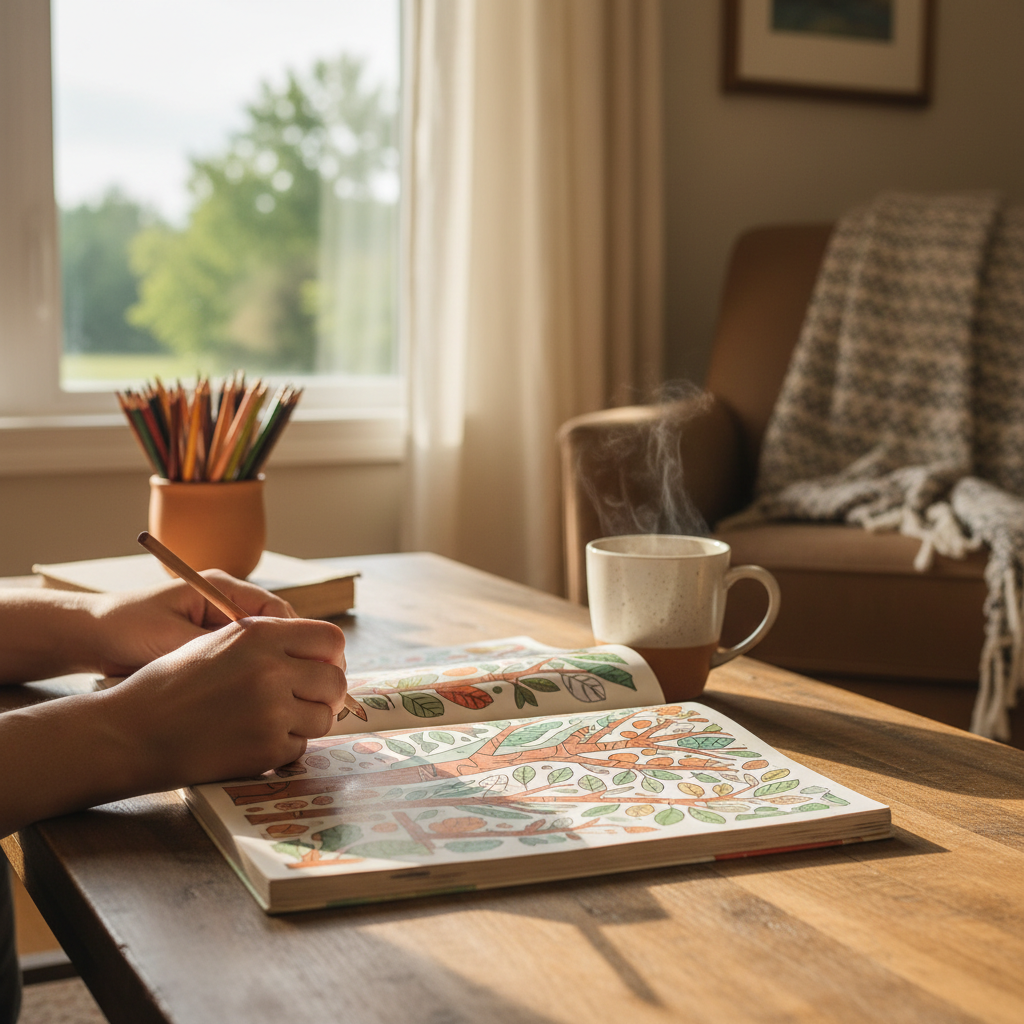
Now imagine a different five to ten minutes: a small pile of coloured pencils, a single sheet or page from a colouring book, and the warm afterglow of a Barrie sunset over Kempenfelt Bay. No notifications. No news alerts. Just colour, rhythm, and calm. Ten minutes of adult colouring can dissolve the habitual doom-scroll loop and replace it with a restorative, screen-free ritual.
This article explores the science and heart behind why that short, creative practice beats doom-scrolling at night, especially during summer evenings in Barrie and Simcoe County. Youll get practical tips, a simple 10-minute colouring routine, suggestions for materials you can keep on your bedside table, and ways to make this habit stick.
What doom-scrolling does to your brain and body
Doom-scrolling is not just a bad habit. It triggers measurable stress responses.
- Blue light from screens suppresses melatonin, delaying sleep onset and lowering sleep quality.
- Rapid negative news or social comparison increases cortisol and adrenaline, making your nervous system hypervigilant.
- The unpredictability of feeds stimulates dopamine loops, encouraging longer sessions and later bedtimes.
Over time, these physiological changes can cause worse mood regulation, daytime fatigue, and weaker resilience to stress. In contrast, a short, focused, creative practice signals safety to your brain.
Why 10 minutes is enough
You dont need an hour of colouring to get meaningful benefits. In fact, a compact 10-minute session is often better than a long, distracted one.
- Short sessions fit into real life. Ten minutes is doable after dinner, before a walk around Downtown Barrie, or when youre back from a cottage weekend at Lake Simcoe.
- The brain shifts from high alert to calm within minutes when given a simple repetitive task.
- Small, consistent habits are more sustainable than grand resolutions.
Research on brief mindfulness practices shows that even short activities can reduce perceived stress and improve mood. Colouring combines gentle focus, low stakes creativity, and tactile engagement, making it a practical micro-mindfulness exercise.
The emotional benefits of colouring over scrolling
Colouring offers emotional advantages that doom-scrolling cannot match:
- Grounding: Feeling the pencil and seeing colour on paper reconnects you to the present moment.
- Safety: A quiet, private page reduces the fight-or-flight feedback of explosive headlines.
- Achievement: Completing a small section activates a tiny but real sense of accomplishment.
- Self-expression: Colour choices reflect mood and can become a gentle form of self-care.
During summer, these benefits are amplified. Long evenings, open windows, and the scent of barbecues or lakewater create an environment that supports calm and creativity.
A simple 10-minute bedtime colouring routine
Try this guided routine designed for busy adults in Barrie and Simcoe County who want a screen-free nightly ritual.
- Set the scene (1 minute)
- Turn off or silence notifications and place your phone face down in another room.
- Open a window to let in warm summer air or sit on a porch if you prefer.
- Choose a page and colours (1 minute)
- Pick an intricate corner or a mandala page for focused work, or a floral pattern for relaxed flow.
- Select 3 to 5 coloured pencils that feel right tonight.
- Breathe and begin (1 minute)
- Take three slow breaths, feeling the spine lengthen and shoulders drop.
- Colour with intention (6 minutes)
- Work steadily in one area. Notice pencil pressure, colour edges, and small textures.
- If your mind wanders, gently return to the stroke without judgement.
- Close and reflect (1 minute)
- Put your pencils down, look at what you finished, and name one feeling: calm, curious, tired, light.
This routine takes exactly 10 minutes and trains a calm, repeatable habit that signals to your nervous system it is safe to rest.
The practical perks: better sleep, less rumination, more creativity
Colouring supports several outcomes relevant to people trying to replace doom-scrolling:
- Faster sleep onset: Reducing blue light and screen stimulation helps melatonin release.
- Less rumination: Focused, low-stakes tasks reduce repetitive negative thought loops.
- Emotional regulation: The act of choosing and creating gives you small wins that chip away at anxiety.
- Creative momentum: Small nightly sessions build creative confidence over time.
Barrie summers provide perfect sensory cues for this practice. Soft evening light, the hum of neighbourhood patios, or the distant sound of boats on Kempenfelt Bay all help cue relaxation.
Materials that make 10-minute colouring satisfying
You dont need a lot. Keep a small, curated kit by your bedside or on a cottage shelf.
- A few coloured pencils or markers you enjoy
- A favourite colouring book or loose illustrated pages
- A pencil sharpener and a small tin to keep shavings tidy
- A compact lamp or warm bedside light for late evenings
- A little tray or basket to keep everything together
If you want ready-made sets, check out our relaxed designs at shop. For ideas and stories from other colourists in Simcoe County, visit blog.
Mindful colouring prompts for summer evenings
Use these prompts to deepen the practice and prevent autopilot coloring:
- Colour like youre watering plants: slow, even strokes.
- Match your pencil movement to your breath: one stroke per breath.
- Pick a colour that reflects tonight's mood and explore three shades around it.
- Imagine the page as a small shoreline and each stroke a wave returning.
These micro-prompts shift colouring from a passive pastime into a brief meditative practice.
How to replace the doom-scroll trigger
Most late-night scrolling begins with a single trigger: boredom, anxiety, habit, or a gap in your routine. Replace the trigger with a specific cue for colouring.
- Cue: After washing dishes, sit with a cuppa and colour for 10 minutes.
- Cue: After stepping in from a lakeside walk, take 10 minutes to colour before showering.
- Cue: After sunset, open your colouring book instead of your feed.
Make the cue consistent. The more predictable the trigger, the easier the new habit becomes.
Troubleshooting common obstacles
- I still reach for my phone. Try leaving your phone in another room or enabling Do Not Disturb for a set hour.
- I get bored while colouring. Choose a more detailed design or use the micro-prompts above to add purpose.
- I worry I wasted time. Remember that ten minutes of restorative activity compounds; you are investing in better sleep and mood.
A summer experiment you can try this week
Turn this idea into a simple experiment for seven nights. Track what changes.
- Night 1: Colour for 10 minutes after dinner with a window open.
- Night 2: Colour after a short walk along the waterfront in Barrie.
- Night 3: Try a different pattern: mandala, botanical, or abstract.
- Night 4: Add a cup of herbal tea and note differences in sleep onset.
- Night 5: Colour outside on a balcony or deck as the sky darkens.
- Night 6: Try colouring with music or in silence, whichever feels right.
- Night 7: Reflect on what stuck and where you struggled.
Keep it playful. This is summer habit building, not a rigid program.
Why adults benefit from creative, screen-free rituals
Adults often believe leisure must be passive. Colouring invites active rest. It engages fine motor skills, imagination, and a sense of agency. When you trade doom-scrolling for colouring you choose how to end your day. That autonomy alone reduces stress.
Colouring also re-activates parts of the brain used for problem solving and pattern recognition without the high-stakes pressure of social media. For many people in Barrie, colouring becomes a gentle anchor after busy days at work, family time, or outdoor summer activities.
Local ways to make it social
If you enjoy company, colouring can be a quiet social ritual too:
- Host a small evening colouring meet-up on a patio or at a cottage.
- Join local art groups or check community centres in Barrie for casual sessions.
- Bring colouring pages and pencils to a lakeside picnic for a calm group activity.
These gatherings are low-pressure and perfect for summer nights.
How to stick with it beyond July
- Keep materials visible and accessible on a small table, bedside shelf, or a carry basket.
- Combine colouring with other evening rituals like herbal tea or a short walk.
- Reward consistency by allowing one screen-check only after a week of nightly colouring.
- Notice and celebrate small wins: better sleep, calmer mornings, clearer thinking.
Consistency over time is the secret. Ten minutes nightly stacks into real change.
Final thoughts: choosing colour over doom
Doom-scrolling will always be there, designed to capture attention. Colouring is a small, intentional act you can use to reclaim your evenings. In Barrie and across Simcoe County, summer evenings offer ideal timing and atmosphere to build this habit. Ten minutes of colouring is not indulgence; it's a practical, evidence-backed way to soothe your nervous system, improve sleep, and rediscover creative calm.
If youd like simple starter kits and locally designed pages that celebrate Simcoe County motifs, explore our curated collections at shop and read stories from other colourists at blog.
Start tonight: put your phone away, pick three pencils, and give yourself ten minutes. Notice the difference in your breath, your shoulders, and the quiet that follows.
Frequently asked questions
How soon will I notice benefits from colouring at night
Many people report feeling calmer after the first session. Consistent nightly practice over a week tends to improve sleep onset and reduce evening rumination.
Can colouring really replace the dopamine rush of social media
Colouring offers a different kind of reward: quiet satisfaction and tactile pleasure. It won't mimic social media's novelty but it reduces the craving for that fast-paced stimulation.
Is colouring suitable for people who dont consider themselves creative
Absolutely. Adult colouring is low-pressure and accessible. No artistic skill is required; focus is on the process, not the product.
What if I only have 5 minutes
Five minutes still helps. Micro-sessions build habit strength. Aim for consistency rather than duration when starting.
Are certain colouring pages better for calming than others
Detailed mandalas and repetitive patterns often promote focus, while botanical or abstract designs support relaxed flow. Experiment and choose what soothes you.
How do I keep colouring materials tidy and ready
Use a small tray, pencil tin, or bedside basket to keep everything in one place. A dedicated shelf or drawer by your bed makes the habit easier to maintain.