How Adult Colouring Calms an Overstimulated Nervous System This Summer
Zen Colour Art··8 min read
How adult colouring calms an overstimulated nervous system this summer
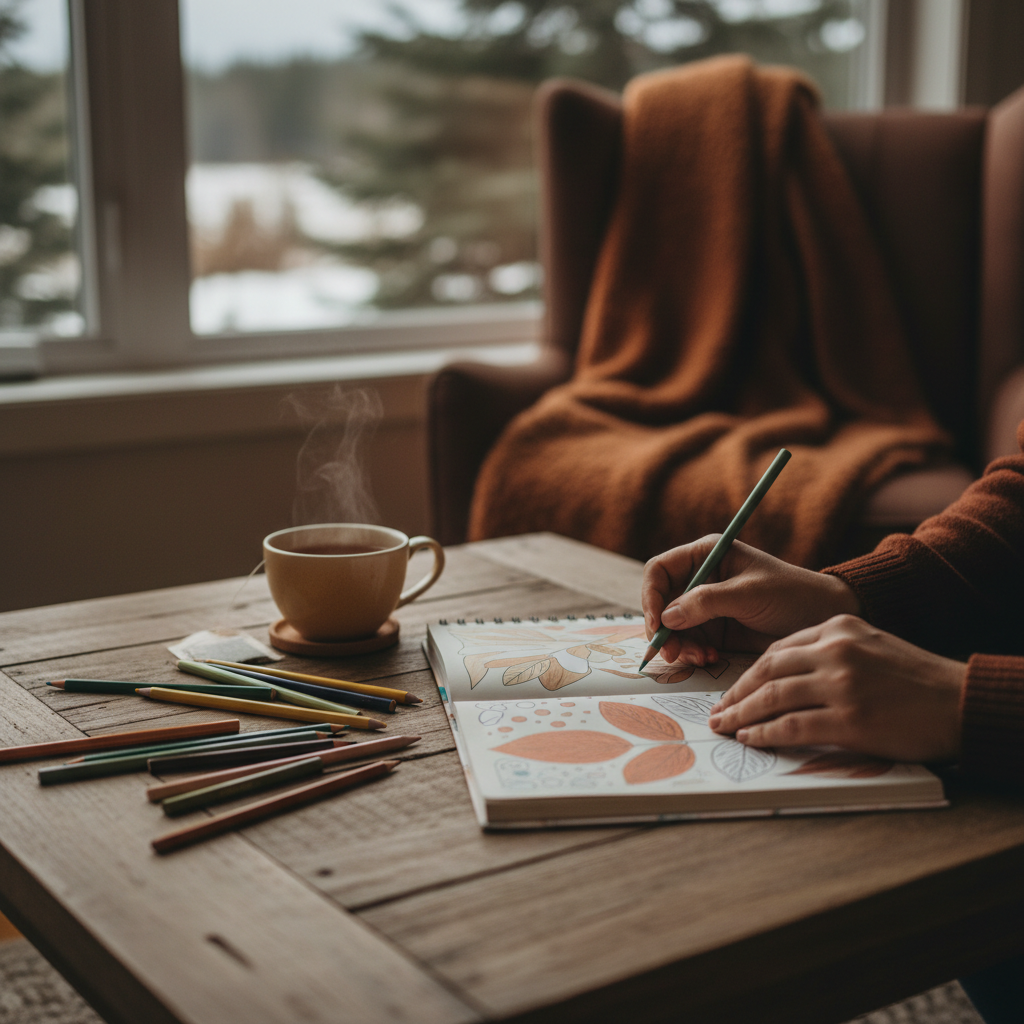
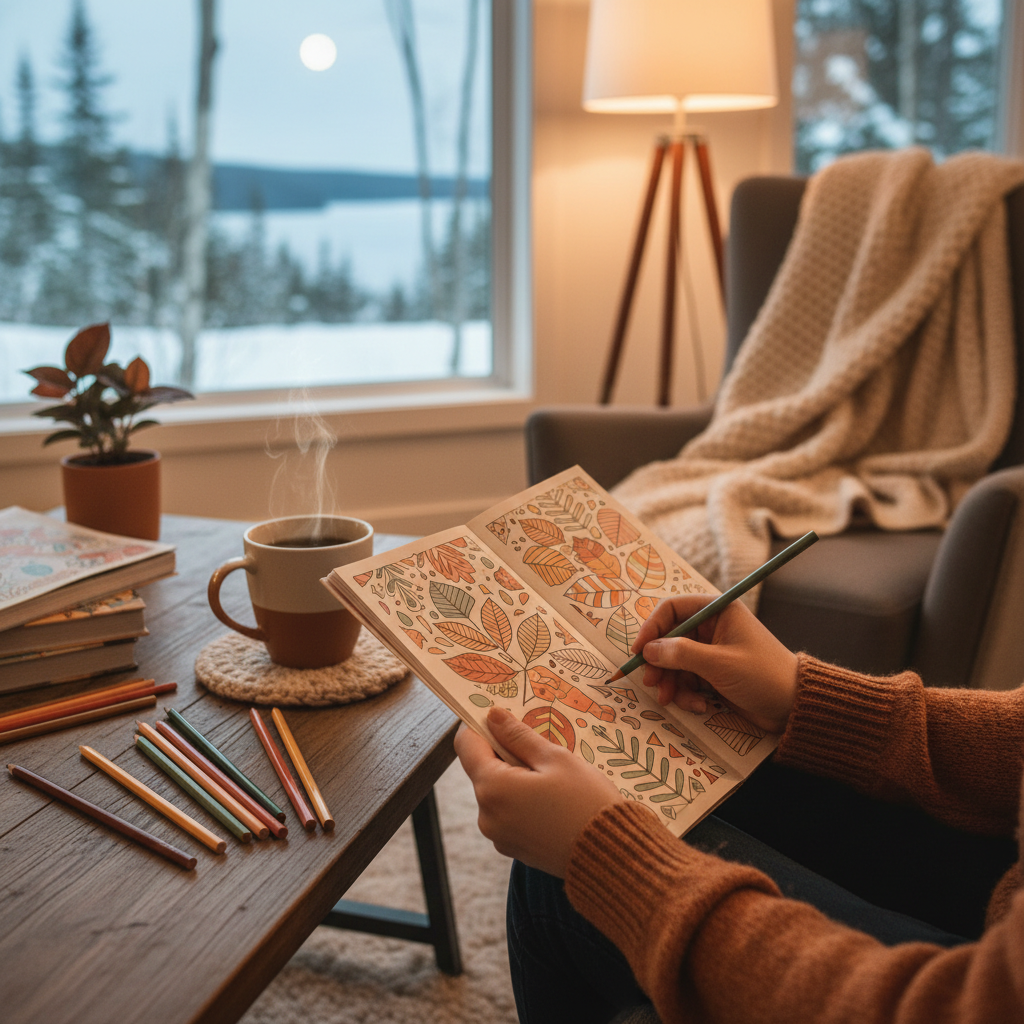
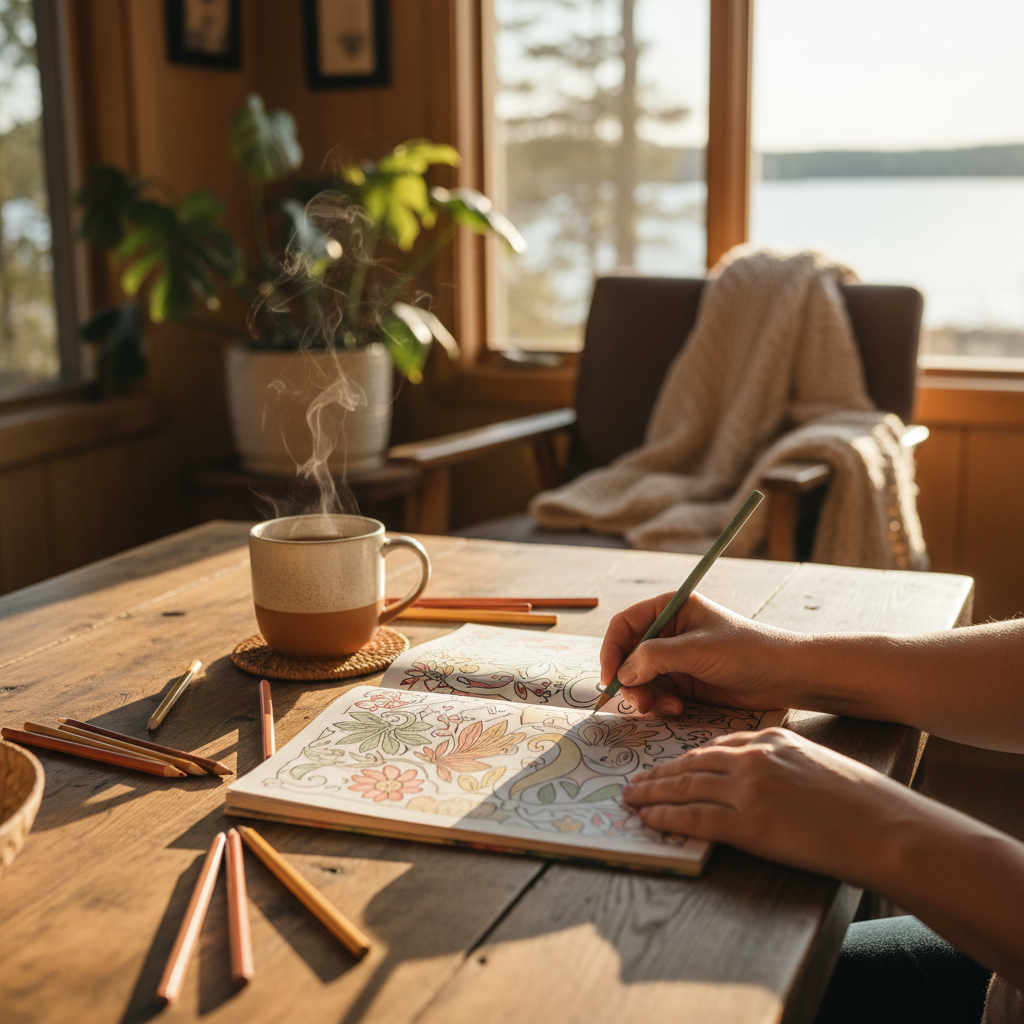
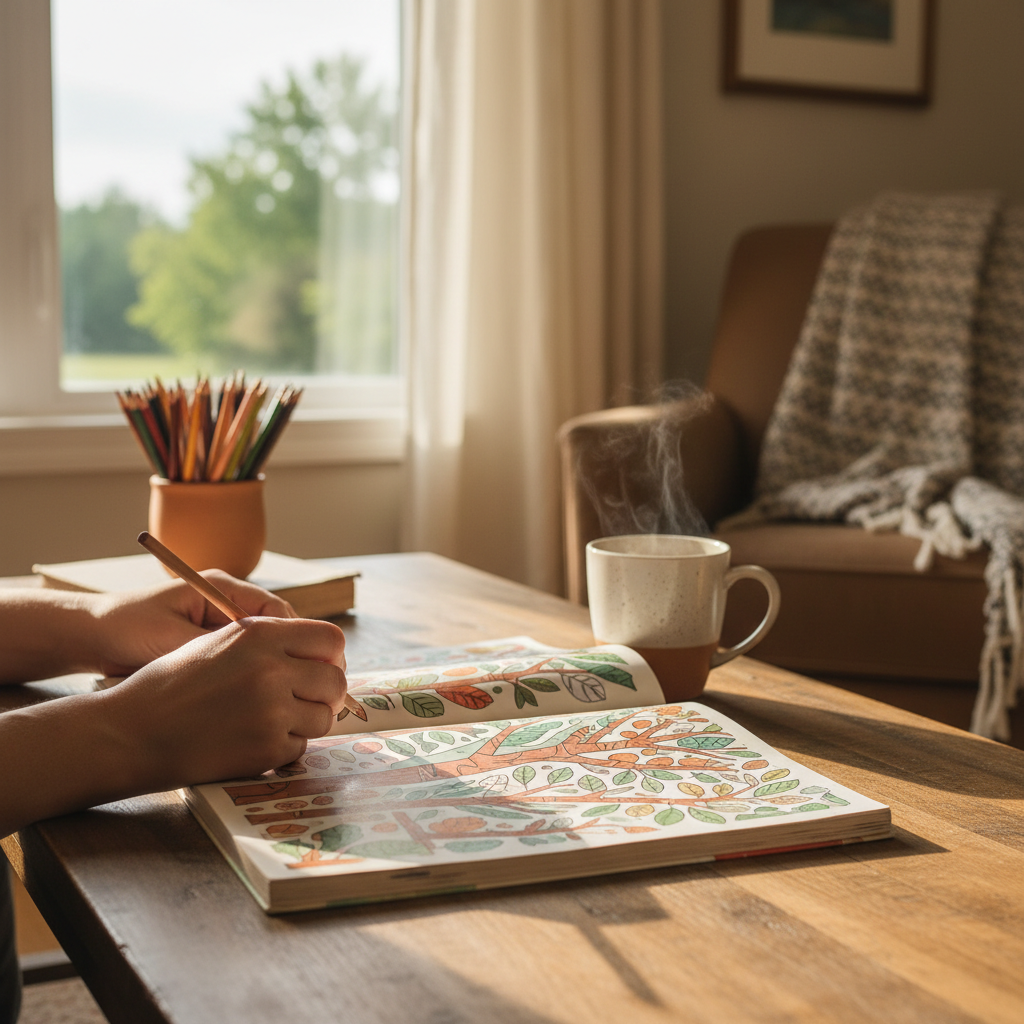
Summer can be loud. Longer days, more plans, buzzing notifications, and a sense that you should be constantly doing something. If your nervous system feels frayed, adult colouring can be a surprisingly powerful, gentle way to come back to center. This article explores how colouring lowers stress, calms an overstimulated nervous system, and offers practical, screen-free steps you can use right now—perfect for adults seeking mindfulness and creative rest in Barrie and Simcoe County.
Why colouring works: a simple nervous system reset
At its core, adult colouring combines attention, rhythm, and creativity. That combination targets the nervous system in ways that feel natural and restorative.
- Attention: colouring invites sustained, gentle focus. Focus anchors the mind away from ruminative thoughts or incoming screen dopamine.
- Rhythm: repetitive motion, like moving a pencil across paper, activates soothing brain patterns and helps regulate breathing.
- Creativity without pressure: colouring provides expressive play without the pressure to produce perfect art. That low-stakes creativity reduces the cortisol spikes associated with performance.
These elements nudge the autonomic nervous system from a reactive, fight-or-flight state toward a calmer, parasympathetic response. In plain terms, colouring helps the body say, I am safe enough to slow down.
The science behind calm: what researchers say
Research into simple artistic activities shows measurable decreases in stress markers. Studies have found that colouring complex patterns can:
- Lower heart rate and blood pressure
- Reduce anxiety and perceived stress
- Increase feelings of wellbeing and flow
Neurologically, activities that mix focus and repetitive motion engage the prefrontal cortex and basal ganglia. That engagement helps interrupt cycles of worry and can stimulate the vagus nerve indirectly by encouraging slower breathing and relaxed posture. The vagus nerve is a major pathway of the parasympathetic nervous system, responsible for rest, digestion, and social engagement.
While colouring is not a clinical cure-all, it is a low-cost, low-risk tool that supports nervous system regulation alongside sleep, movement, and social connection.
Summer context: why colouring is perfect for this season
Summer invites activity and connection, but it also brings sensory overload—heat, noise, festivals, and travel. Colouring offers:
- Portable calm you can take anywhere, from Kempenfelt Bay to Sunnidale Park
- A screen-free alternative for long sunny evenings or rainy summer days
- A creative break between family obligations or cottage visits
Try this: take a small colouring pad and pencils to Barrie Waterfront. Sit with the water, let natural sounds be the backdrop, and notice how colouring slows your breath. The outdoors amplifies the calming effect of gentle attention.
Practical nervous system-focused colouring techniques
Below are actionable practices that go beyond filling spaces with colour. Each is designed to be nervous-system friendly and adaptable to a summer rhythm.
1. Breath-first colouring
Start with two minutes of connected breath before you pick up a pencil. Inhale for four counts, exhale for five. This simple elongation of the out-breath activates the parasympathetic system.
How to do it while colouring:
- Set a timer for 20 to 30 minutes
- Spend the first 2 minutes with breath only
- Begin colouring slowly, syncing strokes with your breath
The result: a calmer heart rate and a more grounded attention.
2. Five-by-five grounding routine
Use the 5-5-5 rule: five minutes, five colours, five slow strokes each. The limits make the practice approachable and reduce decision fatigue.
Steps:
- Choose five colours that feel good this summer (sea blues, warm yellows, leafy greens)
- Colour five different areas, making five deliberate strokes in each
- Pause and notice where tension sits in your body
This routine is portable and great for quick nervous system resets between errands or social plans.
3. Mindful palette selection
Colour choices affect mood. Cooler tones can soothe; warmer tones can energize. For an overstimulated nervous system, try a palette with a majority of cool hues and a few warm accents.
Summer palette suggestions:
- Calm: mint, sea blue, lavender, soft gray, pale sand
- Happy calm: soft coral, sunflower yellow accents, muted turquoise
Naming the colours as you choose them is a mindfulness trick. Saying 'sea blue' or 'soft lavender' silently helps anchor attention to sensory detail.
4. Rhythm and tempo
Match your colouring tempo to the nervous system state you want. If you're jittery, slow down each stroke and press lightly. If you're sluggish, choose larger shapes and broader strokes to invite movement.
Consider pairing with soft summer sounds: a gentle playlist, birdsong by the waterfront, or the distant hum of a weekend fair in Barrie.
5. Finish with a gentle check-in
When you stop, spend one minute doing a body scan from head to toe. Notice any shifts in heart, breath, or jaw tension. This completes the regulation cycle and helps the nervous system register safety.
Screen-free rituals that extend the calming effect
Colouring works best when it is part of a larger, screen-free ritual. Try combining colouring with these summer-friendly habits:
- Morning colouring and tea on a shaded patio before the day gets loud
- 20-minute colouring breaks instead of social media while at a park
- Evening colouring by a patio light with soft instrumental music
These short rituals create predictable downtime for your nervous system, which helps prevent build-up of overstimulation.
Materials matter, but not much
You don't need expensive gear to benefit. The goal is sensory pleasure and ease.
Good options:
- A small pad of quality paper that accepts colour pencil or fine marker
- A travel tin of coloured pencils or a modest pencil set
- A natural light source when possible
If you want a local option, check out artist supply stores in Barrie or pick up a compact set before a picnic at Meridian Place. And when you're ready to explore curated designs, consider visiting our shop for summer-themed palettes and prints.
Community and social calming: colouring with others
Colouring alone soothes, but shared colouring can deepen relaxation through social connection. You don't need a crafty circle—just a gentle, non-competitive group.
Ideas for community colouring in Simcoe County:
- Organize a small waterfront colouring meetup at Barrie City Hall Park
- Bring colouring pages to a family picnic as a quiet corner for adults
- Host a backyard colouring night with string lights and iced tea
Community colouring encourages social safety cues: shared laughter, soft conversation, and mutual permission to rest.
Using colour as a portable anchor when emotions flare
Overstimulation often comes in waves: a trigger, a surge of adrenaline, then a plateau. Colouring can act as a portable anchor during these moments.
Quick protocol when overwhelmed:
- Stop and sit or lean
- Take three slow breaths
- Pull out a small colouring card and choose one colour
- Make five deliberate marks, feeling the pencil in your hand
This micro-practice interrupts escalation and gives the nervous system a path to downshift.
Integrating colouring into summer routines in Barrie and Simcoe County
A few realistic ways to fold colouring into your seasonal life:
- Lakeside dawn: 15 minutes of quiet colouring at Sunrise at Kempenfelt Bay
- Coffee break: swap 10 minutes of scrolling for pattern colouring in downtown Barrie
- Cottage calm: bring a colouring book for evening screen-free wind-downs
- Post-festival reset: after a busy fair, sit in a quiet park and colour to decompress
The best routine is the one you actually do, so start small and build consistency.
Mindful language: how to talk to yourself while colouring
Internal narrative matters. Replace self-criticism with curiosity.
Helpful phrases:
- I am taking a small break to feel better
- My hands are doing something kind for my nervous system
- This is enough
These micro-affirmations reinforce safety and reduce performance pressure.
Beyond colouring: complementary nervous system supports
Colouring is one tool among many. For deeper nervous system regulation, combine it with:
- Movement: slow walks along the waterfront or gentle yoga in a shady park
- Connection: a quiet chat with a friend who listens without fixing
- Nature exposure: time in green spaces like Arboretum trails or local beaches
- Sleep hygiene: keeping a cool, dark sleep space for summer nights
When multiple supports are in place, colouring amplifies calm instead of acting as a lone fix.
Troubleshooting common concerns
You might worry colouring is too simple, or that you need to be artistic to benefit. Both are myths.
- You do not have to 'be good' at colouring. The benefit comes from the process, not the product.
- If your hands tense, try softer pencils or looser grip.
- If you get distracted, accept it. Gently bring attention back to the paper.
Persistence matters more than perfection.
A short summer colouring practice to try today
A 20-minute, nervous-system-friendly routine:
- Find a calm seat—porch, bench, or patch of grass
- Two minutes of breath: inhale 4, exhale 5
- Five-minute palette selection and colour naming
- Ten minutes of rhythmic colouring, syncing breath to strokes
- Three-minute body scan and gratitude for your hands
Repeat daily for a week and notice small shifts in reactivity and mood.
Local inspiration: where to colour in Barrie this summer
Barrie and Simcoe County offer peaceful spots that pair perfectly with colouring:
- Barrie Waterfront and Heritage Park for water views and breezes
- Sunnidale Park shaded lawns for long afternoons
- The Arboretum for bird calls and cooling tree canopy
- Local patios for people-watching replacement with pattern-filling
Bring a small kit and you have a portable, calming practice wherever summer takes you.
Final thoughts: permission to slow
Our culture prizes productivity and busyness, especially in summer when the pressure to 'make the most' of days can be loud. Adult colouring is a quiet rebellion against overstimulation. It is permission to slow, to rest the nervous system, and to reconnect with sensory pleasure.
If you live in Barrie or Simcoe County, treat yourself to a screen-free colouring break by the water this week. Invite a friend or take five minutes alone. Notice the small exits from reactivity: slower breath, lighter shoulders, a gentler inner voice. Those small exits lead to meaningful change.
If you want curated summer designs and palettes to get started, explore our shop or read more calming practices on our blog. Wherever you colour this summer, may it be a small, steady return to ease.
FAQ
What is the best time of day to colour for nervous system benefits?
Any time you can consistently fit it in works. Mornings help set a calm tone; evenings can reset after a busy day. Short midday breaks also interrupt cumulative stress. Choose a time you can protect as screen-free.
How long do I need to colour to feel calmer?
Even 5 to 15 minutes can change breathing and attention. A regular 20-minute practice offers deeper benefits, but start small. Consistency matters more than duration.
Do I need special materials to get the calming effects?
No. A simple pad and a handful of coloured pencils are enough. Comfort and ease of access matter more than expensive supplies. If you prefer, shop local in Barrie for supplies or visit our shop for curated kits.
Can colouring help with anxiety and panic attacks?
Colouring is a useful grounding tool for mild to moderate anxiety by encouraging slow breath and focused attention. For panic attacks or severe anxiety, colouring can be a complementary tool but not a replacement for professional care.
Is colouring better alone or with others?
Both are beneficial. Solo colouring creates quiet, private regulation. Group colouring adds social safety cues and connection. Try both to see what your nervous system prefers.
How can I make colouring a screen-free habit during summer?
Pair colouring with a summer cue: morning coffee on the porch, a picnic at the waterfront, or a short pre-dinner ritual. Keep a small kit in your bag for spontaneous anchor moments.
Where can I find peaceful places to colour around Barrie?
Try Barrie Waterfront, Sunnidale Park, the Arboretum, or a shady patio in downtown Barrie. Small natural settings amplify the calming effect of colouring and help regulate your nervous system.