How to Choose a Colouring Book for a Child Aged 4 to 8
Nicholas Lynn··5 min read
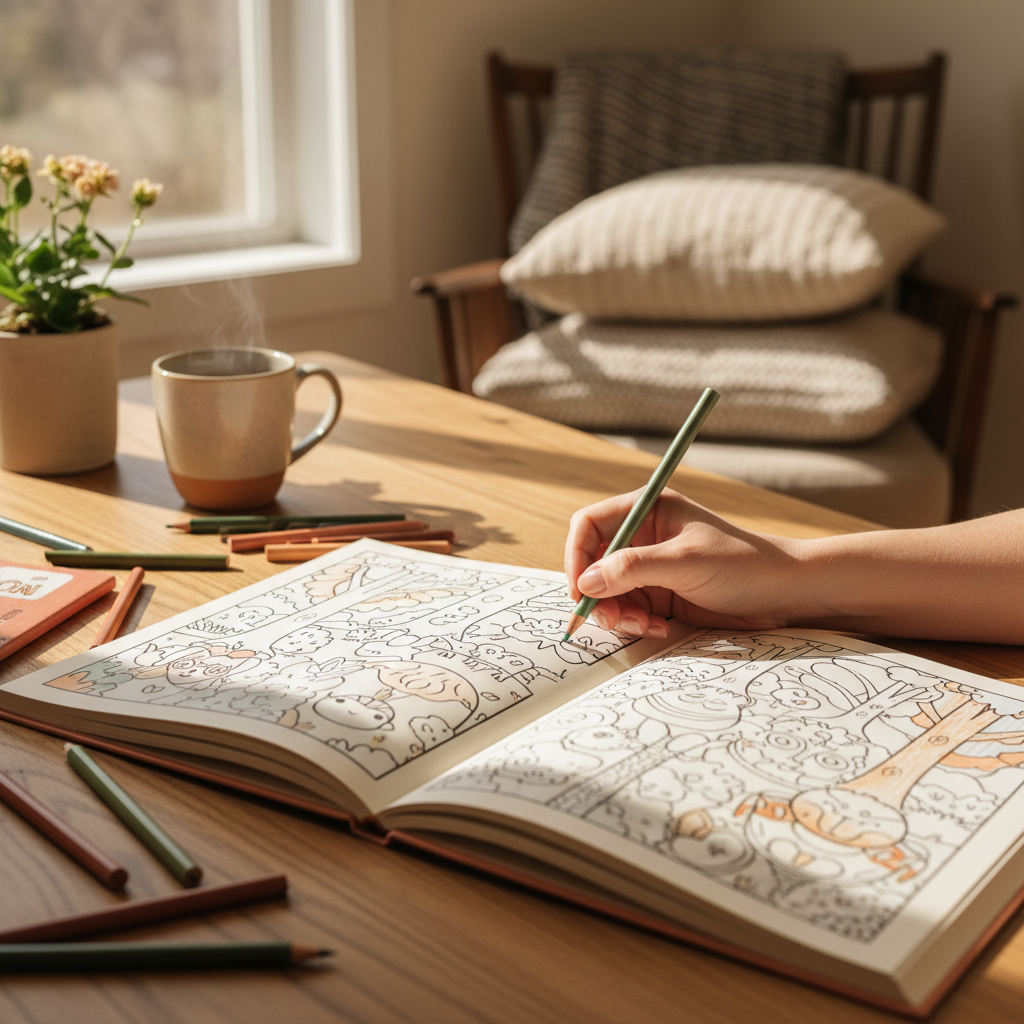
Choosing the right colouring book for a child aged 4 to 8 comes down to matching the book's physical design with their stage of hand development. Look for bold, distinct line art, generous white space that invites personal creativity, and durable paper (ideally 120gsm or heavier) that prevents markers from tearing the page or bleeding through.
Between the ages of four and eight, children experience rapid shifts in fine motor coordination, grip strength, and creative focus. An overly intricate page intended for older artists can quickly lead to tired hands and frustration. Conversely, illustrations that are too basic might fail to hold an older child's attention. Understanding a few practical design details ensures you pick a book that builds confidence and offers hours of calm, screen-free fun.
Understanding Fine Motor Development Between Ages 4 and 8
Children in the four-to-eight age window are refining the small muscles in their fingers and hands. A four-year-old is often transitioning from a five-finger palm grasp to a static tripod grip, using broader arm movements to colour large areas. By age seven or eight, most children have developed a dynamic tripod grasp, giving them the finger control needed to navigate smaller spaces and sharper angles.
Because motor skills evolve so quickly across these four years, the best colouring books accommodate this learning curve. When line art is clear and shapes are balanced, children do not have to struggle against the boundary lines. This removes the pressure to be "perfect" and lets them focus on exploring colours and enjoying the process.
4 Key Features to Look For in a Children's Colouring Book
When browsing bookstore shelves or shopping online, keep these four physical criteria in mind:
1. Line Weight and Clarity
Thick, clean outlines provide a visual and tactile boundary that helps young children keep their crayon or marker where they want it. For ages four to six, look for bold contours that clearly define the main character or object. For children closer to seven or eight, slightly finer lines are welcome, provided the shapes remain readable and uncluttered.
2. Generous White Space and Open Composition
Many modern colouring pages are crammed with tiny decorative patterns. While detailed mandalas suit adults seeking intricate focus, young children thrive when an illustration features a distinct focal point surrounded by breathing room. Open spaces allow children to add their own drawings—such as drawing grass under an animal, sunshine in the sky, or extra patterns of their own making.
3. Substantial Paper Weight (120gsm or Higher)
Nothing dampens creative momentum faster than felt markers tearing damp holes through newsprint-thin paper. Standard discount colouring books often use 60gsm to 70gsm newsprint, which wrinkles immediately when wet media touches it. Look for artist-quality paper—around 120gsm—that easily withstands:
- Standard wax crayons and oil pastels
- Water-based markers and brush pens
- Coloured pencils applied with heavy pressure
4. Binding and Page Layout
A book that snaps shut while a child is working causes constant irritation. Flat-opening softcover bindings or single-sided pages make colouring comfortable. Single-sided printing also means children can pull out their favourite artwork to display on the fridge or frame for their bedroom without sacrificing the drawing on the back.
Matching Themes to Your Child's Interests
Children engage most deeply when the subject matter sparks their natural curiosity. Whether a child loves woodland creatures, outdoor adventures, fantasy realms, or seasonal celebrations, let their current interests guide your choice.
At Zen Colour Art, our children's editions are organized by imaginative themes:
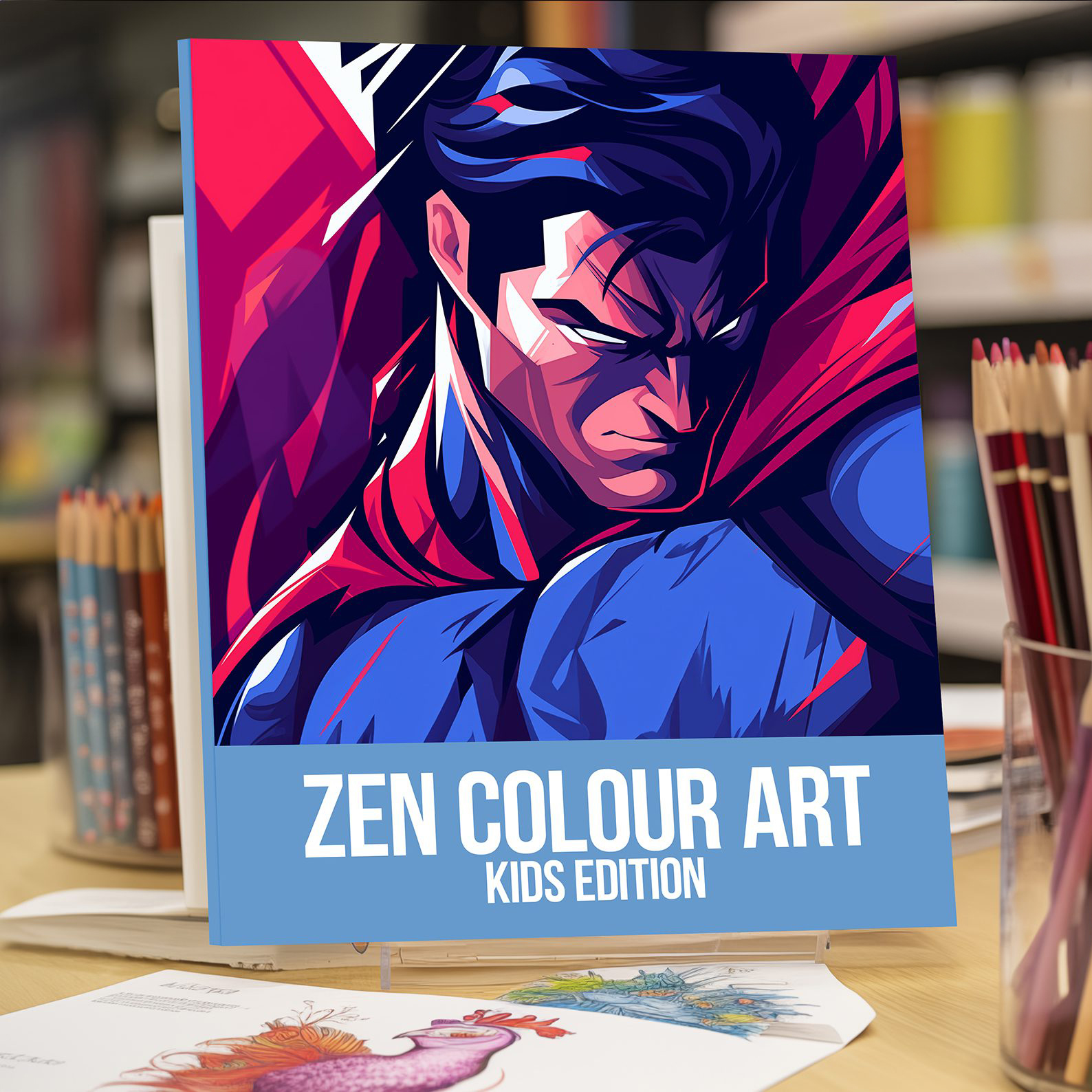
- Adventure and Animal Themes: For children drawn to friendly wildlife, vehicles, and outdoor exploration, books like Kids Edition: Boys (Little Explorers) offer 48 pages of cheerful animals and simple adventure scenes designed with bold outlines and plenty of open space.
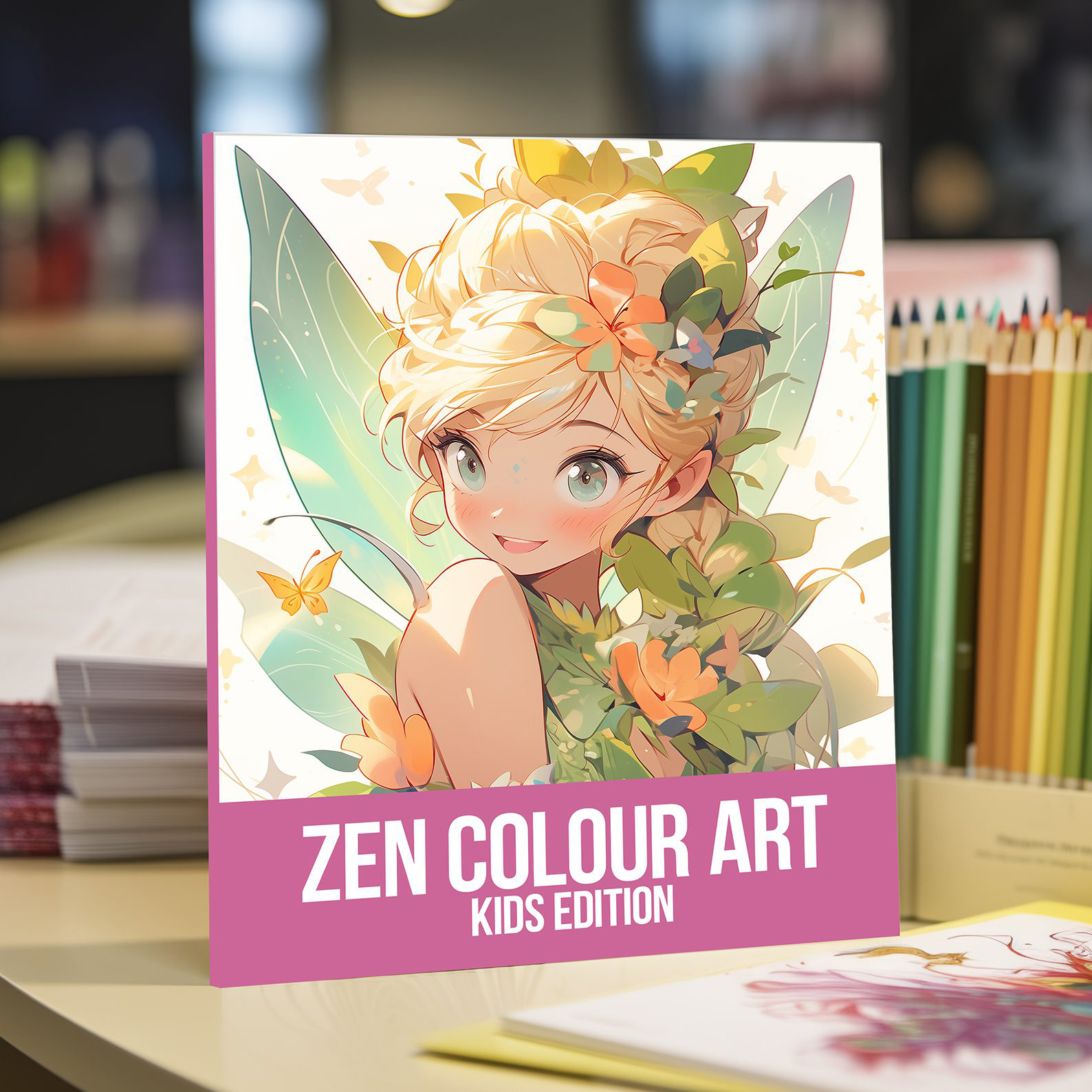
- Fairies and Nature Themes: For children captivated by enchanted gardens, starlit woods, and mushroom dwellings, Kids Edition: Girls (Enchanted Fairies) provides 72 pages of imaginative nature scenes.
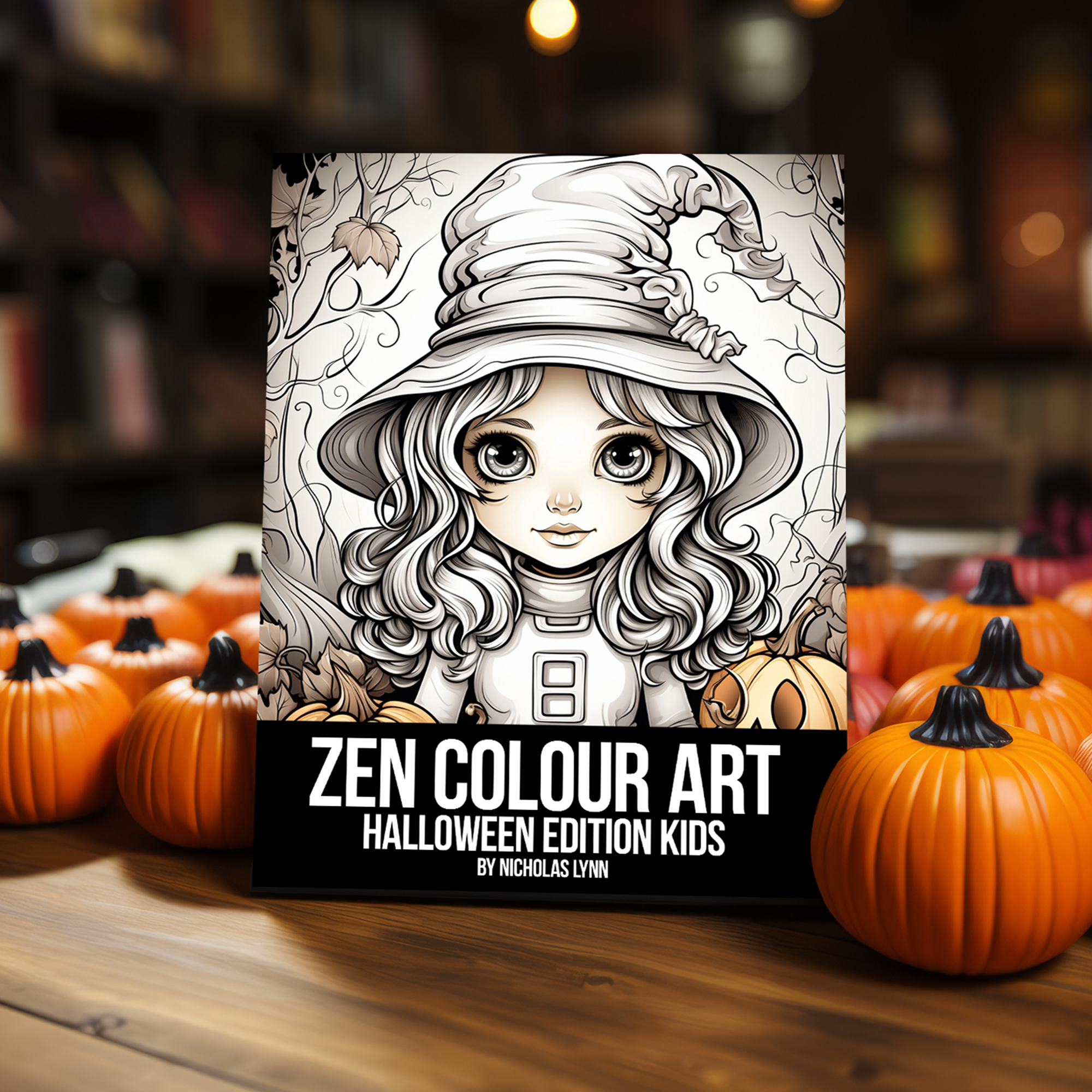
- Seasonal Fun: During autumn, Halloween: Spooky & Cute delivers 56 pages of friendly pumpkins, gentle ghosts, and playful seasonal doodles suitable for all ages.
Note on our collection titles: Our editions are named solely to describe their core themes—never who can use them. Both collections are completely open to every child, regardless of gender or skill level.
Pairing the Right Art Supplies by Age
Choosing the right colouring tools helps prevent hand fatigue and makes the experience enjoyable:
| Age Range | Recommended Supplies | Why They Work |
|---|---|---|
| Ages 4–5 | Triangular crayons, thick washable markers | Encourages proper tripod grip; covers broad areas quickly without cramping. |
| Ages 6–7 | Medium-tip felt pens, classic coloured pencils | Offers finer control; allows children to start layering and blending colours. |
| Ages 7–8 | Dual-tip brush markers, watercolour pencils, gel pens | Lets developing artists experiment with detail, gradients, and varied textures. |
Supporting Calm, Screen-Free Creativity
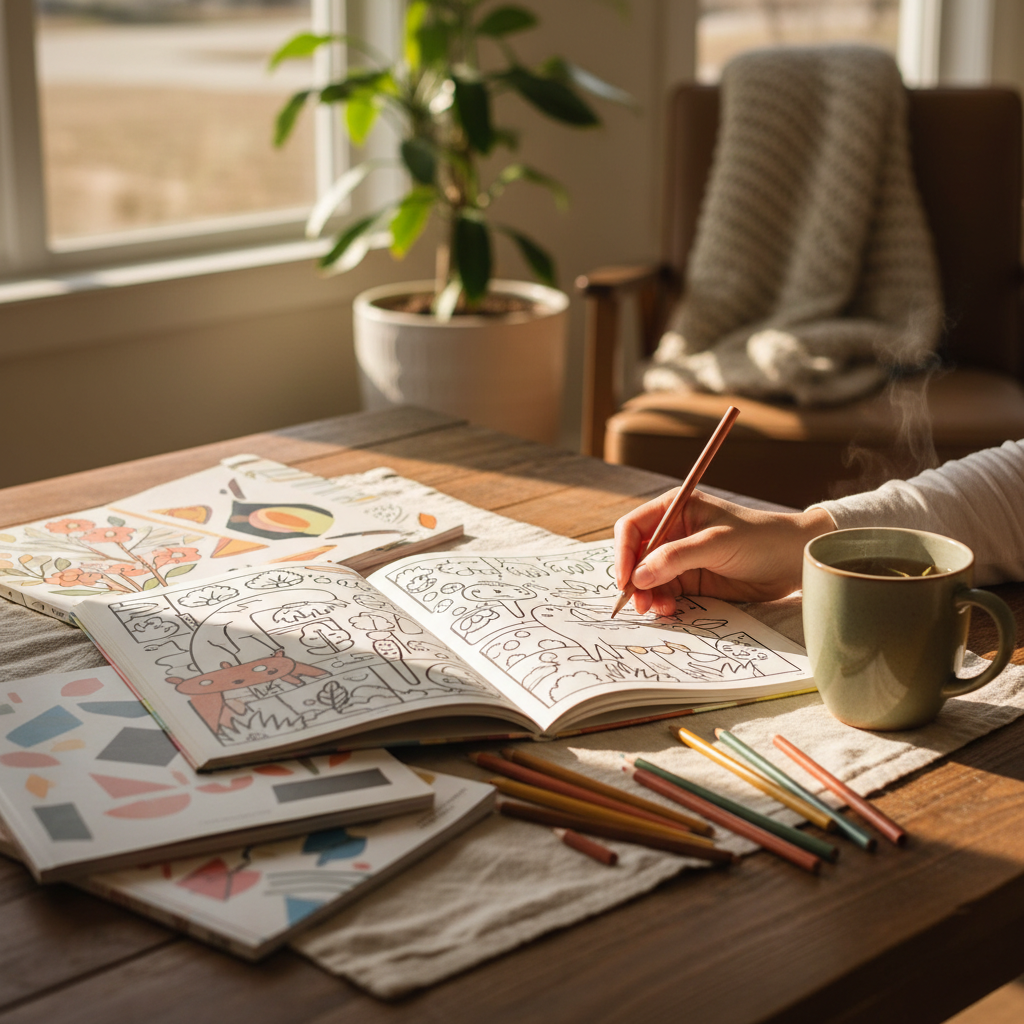
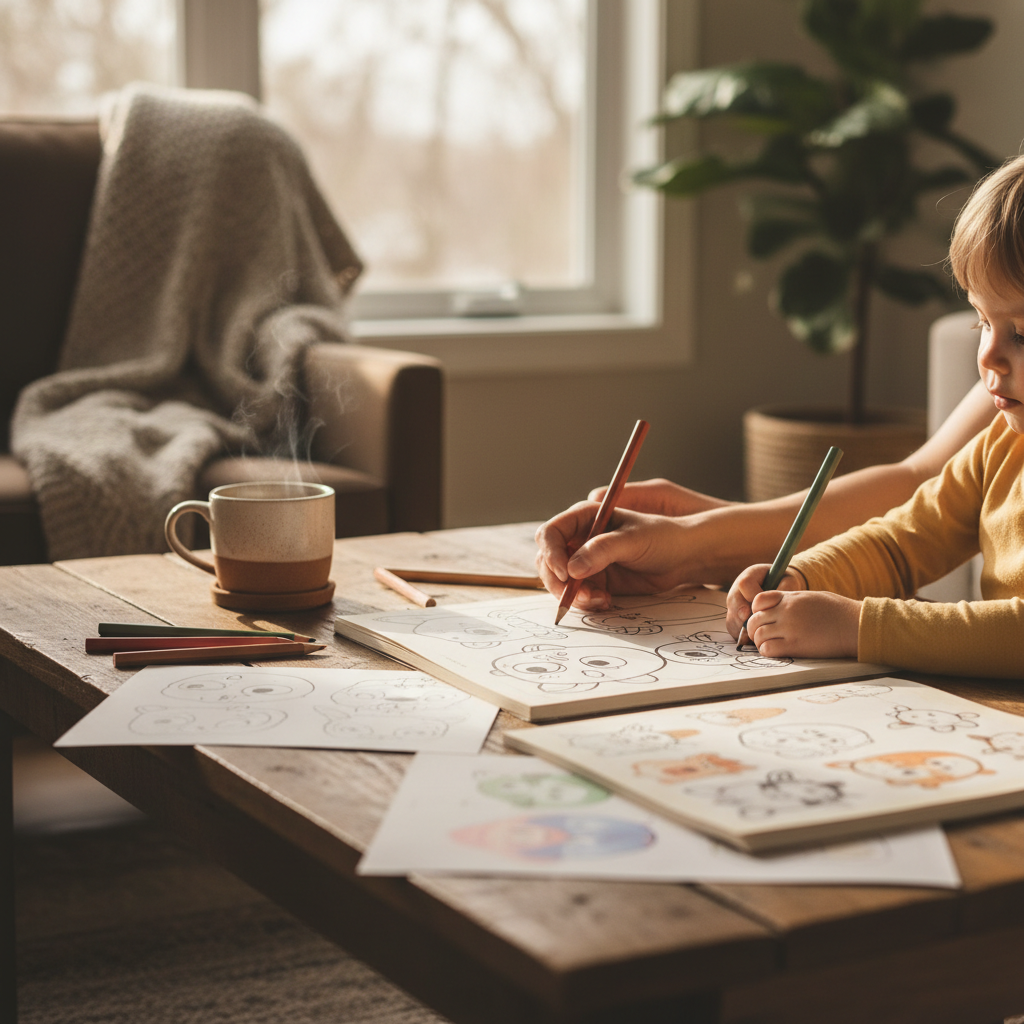
Many families use colouring as a calming ritual after school or right before bedtime. Creating an inviting setup can make all the difference. Set up a clear table with good lighting, keep favourite markers organized in an open cup, and sit alongside your child with your own colouring page.
Colouring together provides a quiet space to chat about their day without the glare and fast-paced distraction of digital screens. When children see that colouring is an unhurried, pressure-free activity, it becomes a grounding habit they can turn to whenever they need a quiet moment.
For more ideas on weaving tactile creativity into daily family routines, explore our guide to screen-free evening wind-down habits.
Quality Matters for Young Artists
All Zen Colour Art titles are designed by Nicholas Lynn in Barrie, Ontario, and printed on premium 120gsm acid-free artist paper. Whether you are stocking a playroom in Simcoe County or sending a gift across Canada, choosing thoughtful paper and intentional line art gives young artists the confidence to create freely.