How to Choose a Colouring Book for a Child Aged 4–8
Nicholas Lynn··6 min read
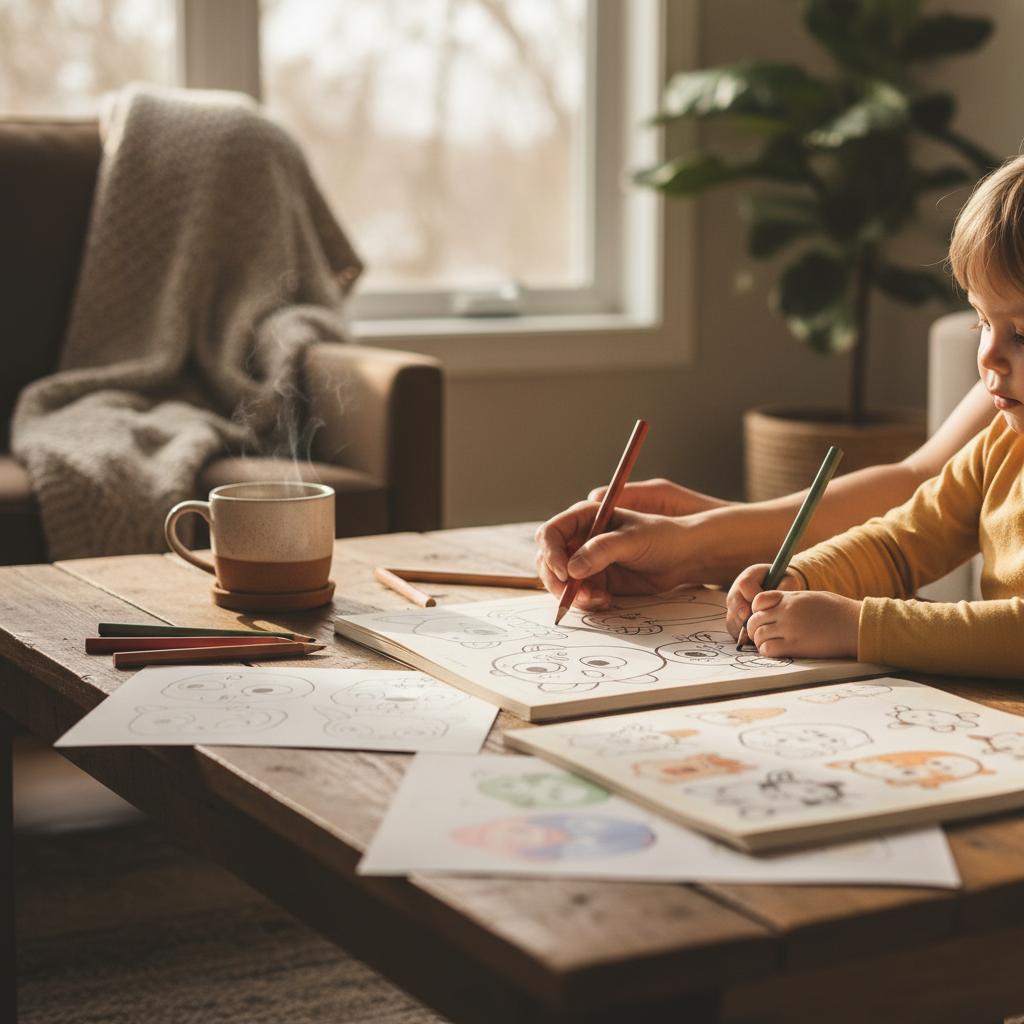
The best colouring book for a child aged 4 to 8 features thick, clear outlines, generous open spaces, and sturdy paper that will not tear under heavy crayon pressure or bleed when markers are used. Choosing a book suited to this developmental window means balancing simplicity with creative freedom, giving children an inviting canvas rather than tiny, frustrating details.
Between the ages of four and eight, children experience rapid shifts in hand-eye coordination, grip strength, and creative confidence. A book that is too simple can quickly feel boring to a seven-year-old, while an overly intricate book made with paper-thin newsprint can discourage a four-year-old whose felt marker tears straight through the page.
Here is a practical guide to what matters most when selecting colouring books for young children, along with tips on creating an enjoyable, screen-free routine at home.
1. Line Thickness and Illustration Clarity
At age four, most children are transitioning from a whole-hand fist grip to a five-finger grip or early tripod grasp. By age seven or eight, fine motor control is more refined, but young artists still need clear visual boundaries to help guide their hand.
- For ages 4 to 6: Look for bold, heavy outlines (around 2 to 3 millimetres thick). Broad lines give children a forgiving visual safety net, allowing them to practice staying within bounds without feeling like they made a mistake every time their crayon slips.
- For ages 6 to 8: Children can manage slightly more detailed compositions, but they still benefit from clean, uncluttered art. Avoid hyper-detailed backgrounds that cram too many competing objects into one scene.
When illustrations have distinct, bold borders, children spend less energy worrying about precision and more time exploring colour combinations and imaginative storytelling.
2. The Power of Generous White Space
A common mistake in mass-market children's colouring books is filling every square centimetre of the page with tiny patterns, decorative borders, and background clutter. While this looks busy on a store shelf, it often overwhelms a young child.
Intentional page design leaves plenty of open room around the central character or scene. Open white space provides several developmental and creative benefits:
- Room to breathe: A page with breathing room feels approachable rather than intimidating to a tired child after school or daycare.
- Encouragement to add original drawings: When there is empty space around a friendly animal or woodland scene, children naturally feel invited to draw their own additions—like sunshine, rainclouds, grass, or hidden critters.
- Flexibility for broad mediums: Toddlers and young primary students often use chunky wax crayons or broad-tipped washable markers. Large, open shapes accommodate these tools without forcing awkward, cramped hand movements.
3. Paper Weight and Durability
Nothing ends a peaceful colouring session faster than paper that wrinkles, bleeds, or rips in half. Standard children's colouring pads are frequently printed on lightweight 60gsm to 70gsm newsprint. This thin stock poses two big problems for the 4-to-8 age group:
- Pressure tears: Young children tend to bear down hard with wax crayons and coloured pencils. Thin paper rips beneath the pressure, which can lead to tears and frustration.
- Marker bleed-through: Children love bold, vibrant markers, but water-based ink immediately soaks through standard paper. If the book is printed double-sided, the illustration on the reverse side is ruined before the child even turns the page.
Whenever possible, look for books printed on heavy, acid-free artist paper—ideally 120gsm or higher. Quality 120gsm paper handles pencils, gel pens, and most fine-tip or washable markers without ghosting or bleeding through, ensuring their finished artwork stays intact.
4. Choose by Curiosity and Interest, Not Gender Labels
Many colouring titles in retail shops are marketed with rigid labels aimed at boys or girls. In reality, a child's artistic interests are driven by curiosity, imagination, and personal taste rather than their gender.
One child might love outdoor expeditions, wildlife, and wilderness gear; another might love whimsical woodland creatures, starlit toadstools, and fairy cottages. Many children happily bounce between both worlds depending on the afternoon.
When selecting a title, focus entirely on what sparks your child's curiosity:
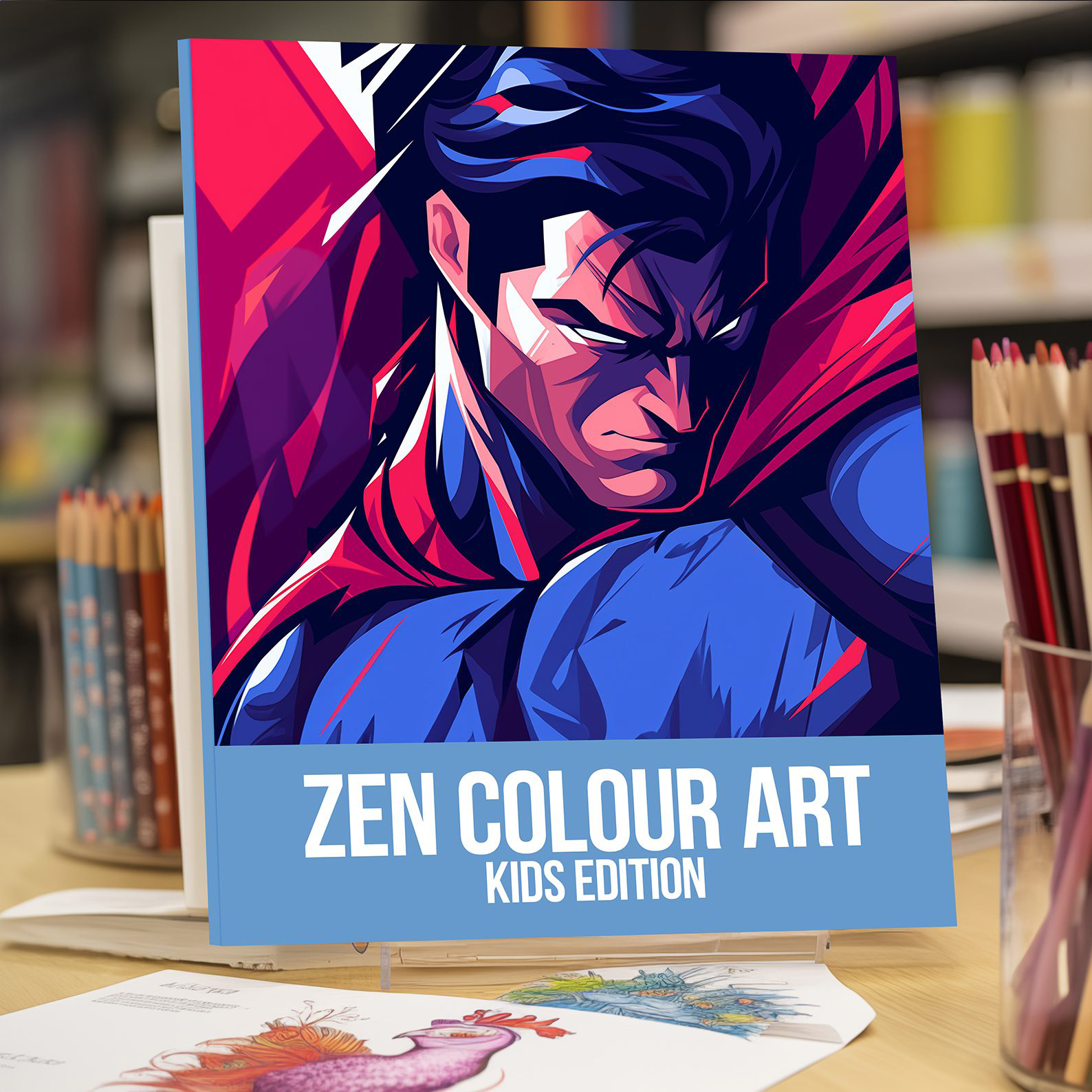
- Animals and outdoor exploration: Friendly animals, simple natural shapes, and adventure scenes are classic favourites that encourage storytelling about real-world creatures. Our Kids Edition: Boys (Little Explorers) collection ($18.00 CAD), for example, offers 48 pages of friendly animals, adventure scenes, and thick outlines designed specifically for ages 4 to 8. Despite its traditional naming, it is open to any child who enjoys exploring nature.
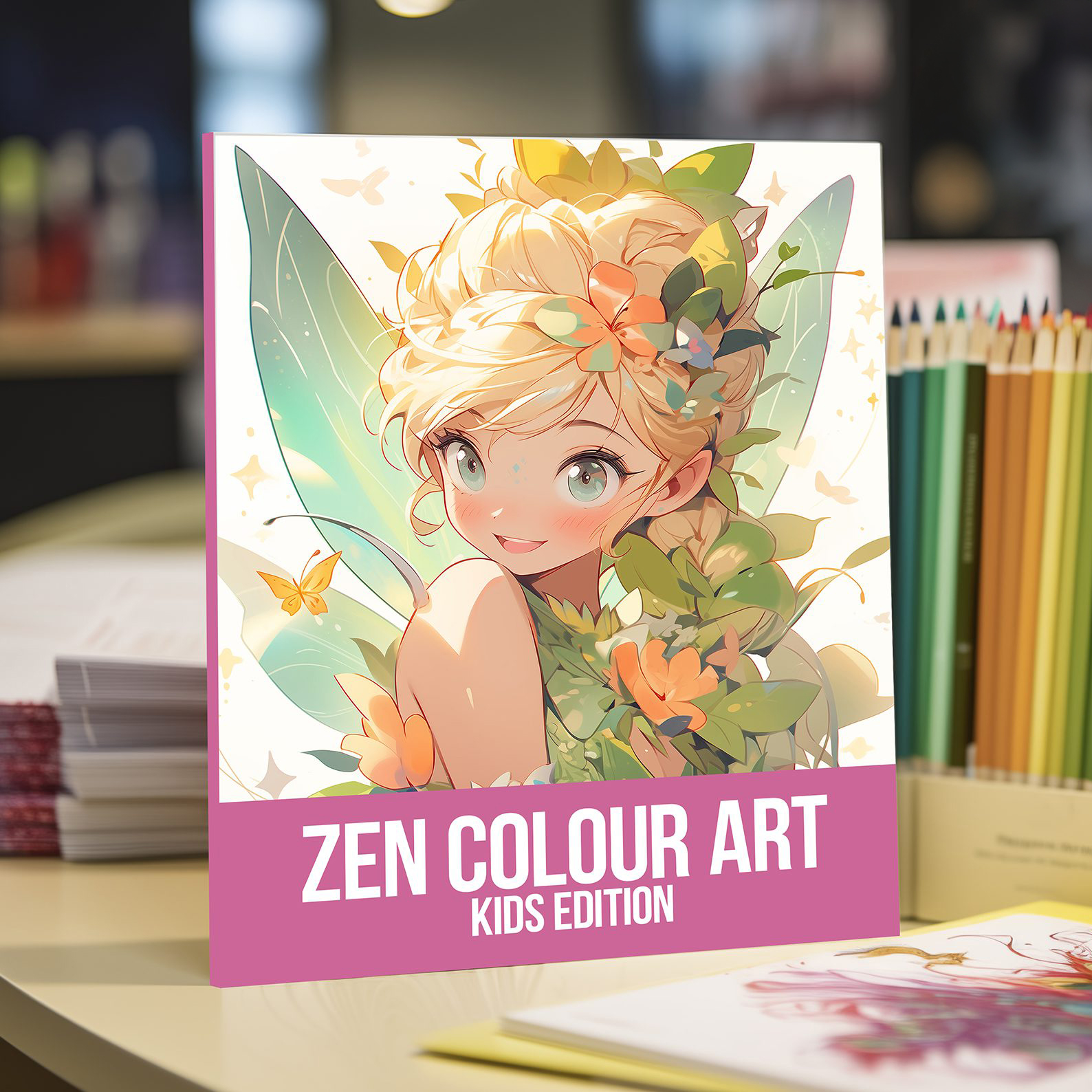
- Fairy tales and whimsical nature: Whimsical forest villages, magical glades, and fantasy elements let children experiment with imaginative palettes. The Kids Edition: Girls (Enchanted Fairies) title ($26.00 CAD) features 72 pages of starlit forests, mushroom villages, and fairy gardens. Like all our books, it is open to every young colourist drawn to fantasy themes.
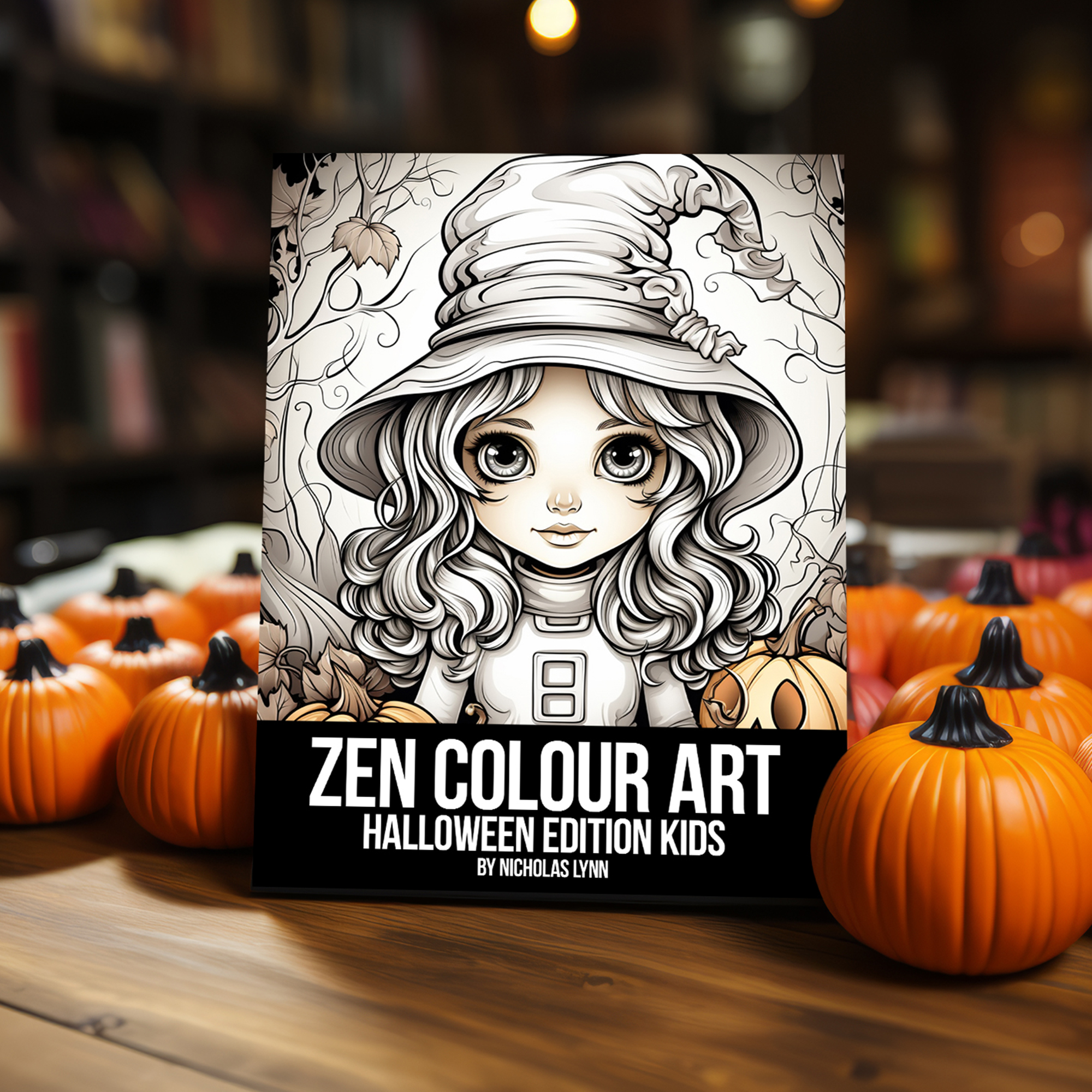
- Seasonal fun: Seasonal collections, like Halloween: Spooky & Cute ($20.00 CAD), provide cozy, family-friendly holiday engagement without frightening imagery.
Letting children pick themes based on their genuine curiosity builds intrinsic motivation and helps keep them engaged with the page.
5. Screen-Free Calm: Setting Up a Relaxed Colouring Routine
Colouring can be a soothing, screen-free activity that supports focus, hand-eye coordination, and emotional regulation. While colouring does not replace professional care for attention or sensory needs, many parents find that a gentle table routine helps children transition from high-energy activities to quiet time.
To build an inviting colouring habit:
- Keep supplies accessible: Place a small caddy with a dozen good-quality crayons or triangular pencils on a low table. Limiting the number of available shades prevents decision fatigue.
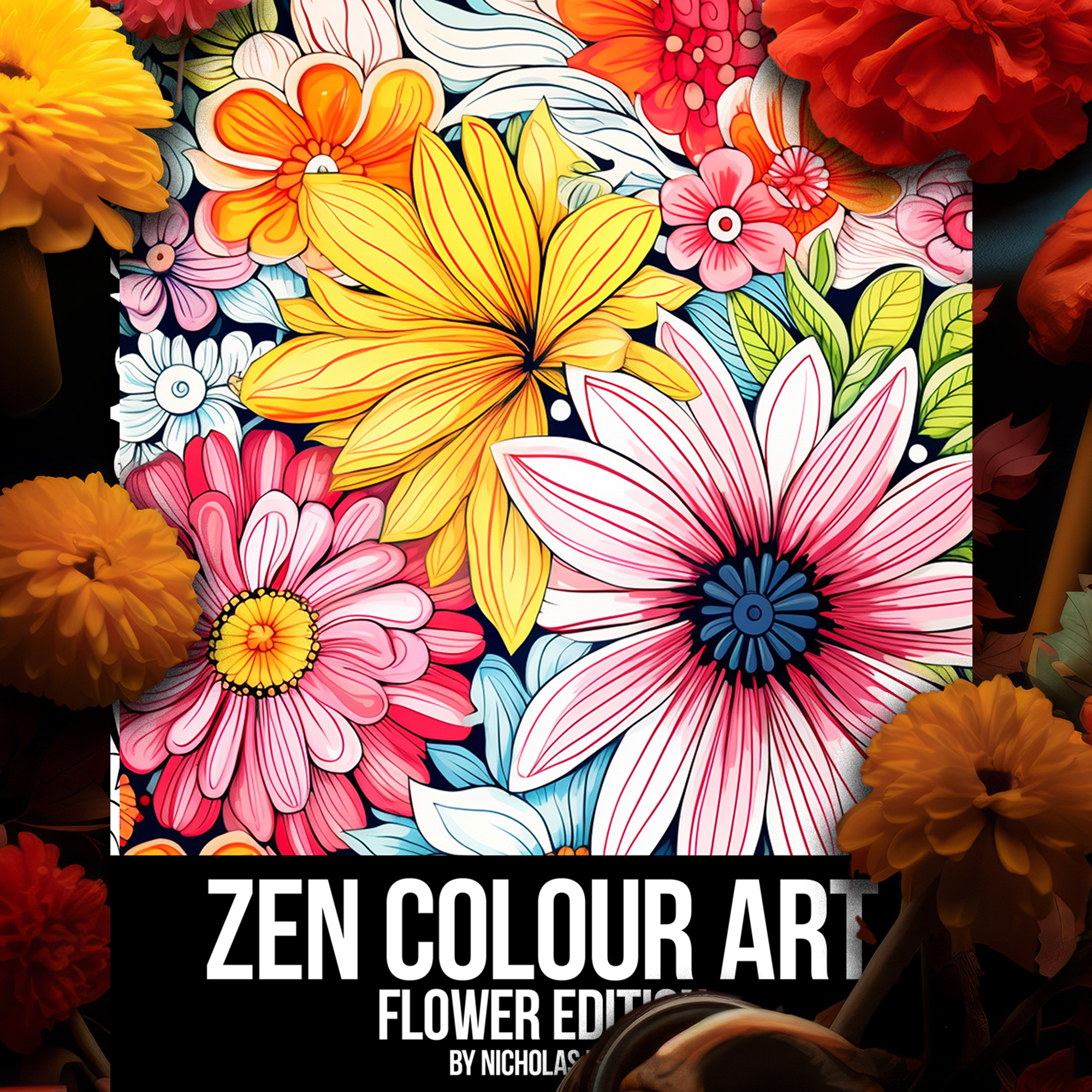
- Colour together: Children learn by observation. Sitting down with your own book—such as a botanical collection like Floral Reverie or a mindful pattern book—demonstrates that quiet creative time is something adults enjoy too. If you are looking for tips on building your own habit, explore our guide to mindful colouring for beginners.
- Value the process over perfection: Avoid correcting your child if they choose purple for tree bark or green for the sky. The primary goal of colouring at ages 4 to 8 is self-expression, motor play, and relaxation, not photorealism.
- Display their work: Frame or tape finished pages on the fridge to celebrate their effort and show that their creative work has value in your home.
Finding Books in Barrie and Across Canada
At Zen Colour Art, our studio in Barrie, Ontario designs books for both adults and children with intentional paper choices and approachable artwork. We print our collections on sturdy 120gsm acid-free paper to make sure young hands can explore with markers, crayons, or pencils without bleeding through the page.
If you are local to Simcoe County, we offer free local delivery across the region as well as local pickup at 101 Grace Crescent in Barrie. We also ship across Canada within 1 to 2 business days. If you are a teacher looking for mindful classroom resources, check out our guide to colouring gift ideas for teachers in Simcoe County.
Giving a child a well-crafted colouring book does more than fill an empty half-hour—it provides a quiet haven for creative play, builds hand strength, and invites unhurried imagination.