Science of Screen-Free Creativity for Stress Relief This Summer
Zen Colour Art··8 min read

The science of screen-free creativity for stress relief
Summer in Barrie brings warm light, breezy evenings and a chance to step away from screens. For many adults, though, screens are constant companions. The good news: science shows that screen-free creative activities such as adult colouring, drawing, and tactile crafts reduce stress, restore attention, and improve mood. This guide explains why these practices work, offers summer-friendly exercises you can try right now, and shows how to build a simple, sustainable screen-free routine in Barrie and throughout Simcoe County.
Why screen-free time matters
Screens command our attention with fast-moving images, notifications and endless choice. That constant stimulation increases cognitive load and raises stress hormones like cortisol. Even short breaks can help, but the type of break matters. Passive scrolling often fails to replenish attention or reduce anxiety. Creative, tactile activities—especially those done without screens—engage different brain networks and help the nervous system recover.
Research-backed benefits of screen-free creativity
- Lowers perceived stress and anxiety
- Reduces physiological markers of stress such as cortisol and heart rate
- Improves focused attention and working memory
- Supports flow states, which enhance wellbeing and intrinsic motivation
- Encourages mindful presence and emotional regulation
These benefits are powerful, and they are accessible. You do not need to be an artist. You only need materials, intention, and a comfortable summer space.
How creativity rewires stress responses
When you shift from a screen to a hands-on creative activity, your brain moves from constant novelty-seeking to sustained, focused engagement. That transition helps in several ways:
- It activates the parasympathetic nervous system, promoting relaxation and digestion.
- It reduces activity in the brain's default mode network, which can quiet rumination and worry.
- It engages the motor cortex and sensory pathways, grounding you in the present moment.
- It creates small wins and progress signals in the brain, releasing dopamine in healthy, motivating amounts.
In short, the physical motion of colouring or drawing is a simple switch that reduces internal noise and gives the mind a gentle, restorative task.
Why adult colouring works so well
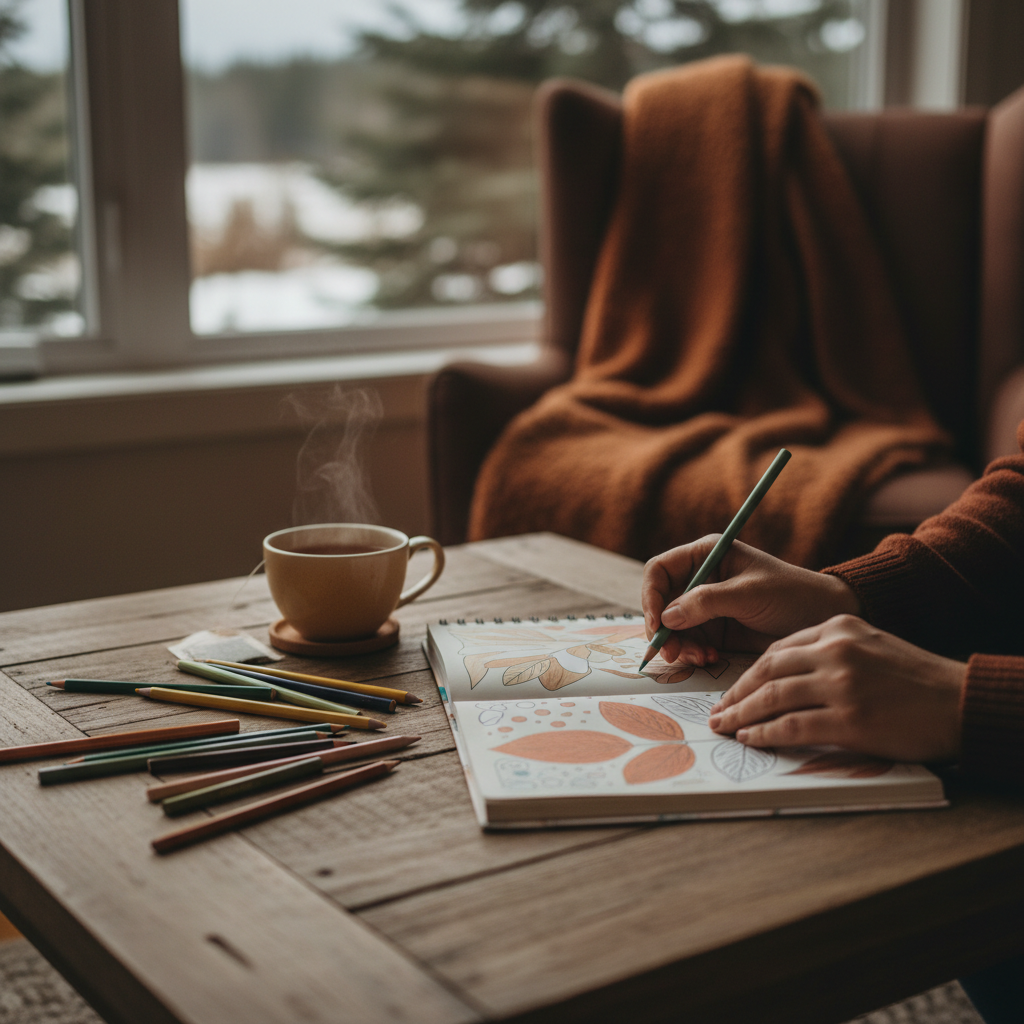
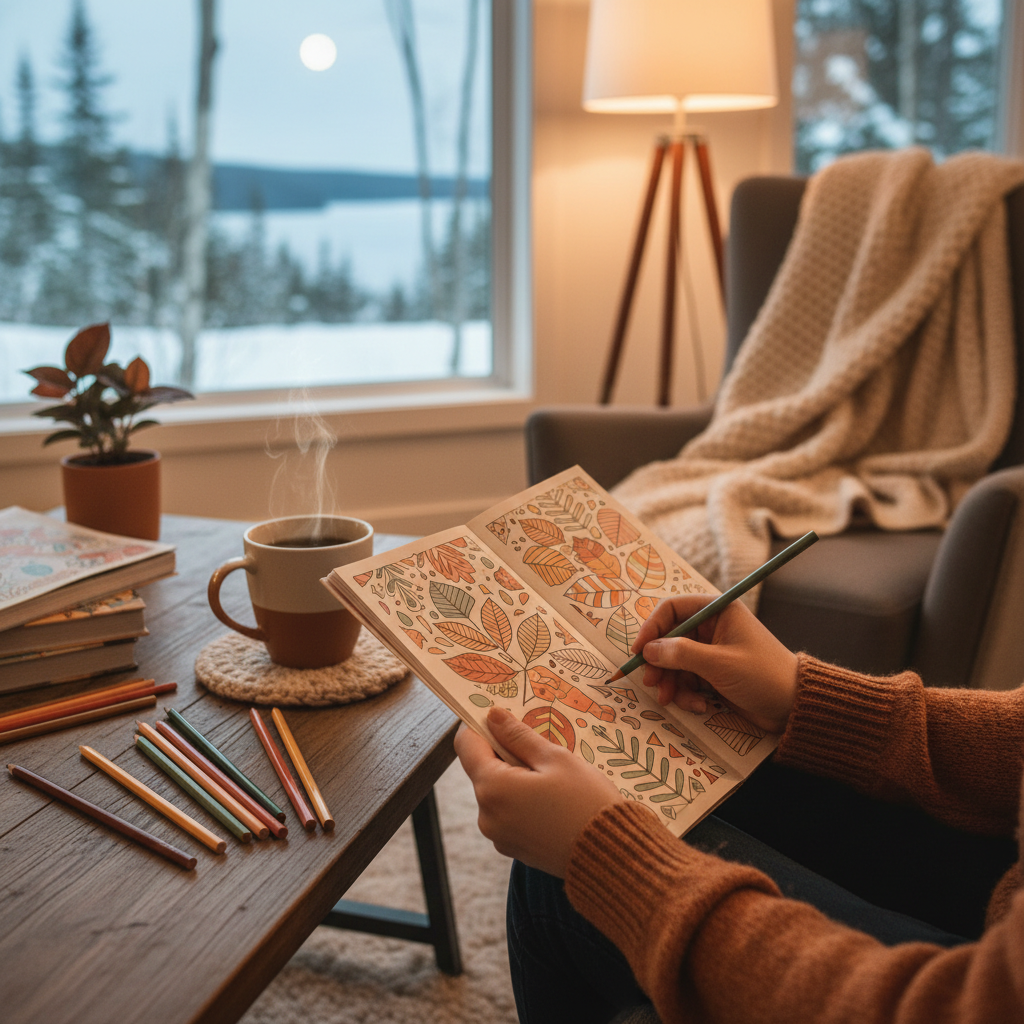
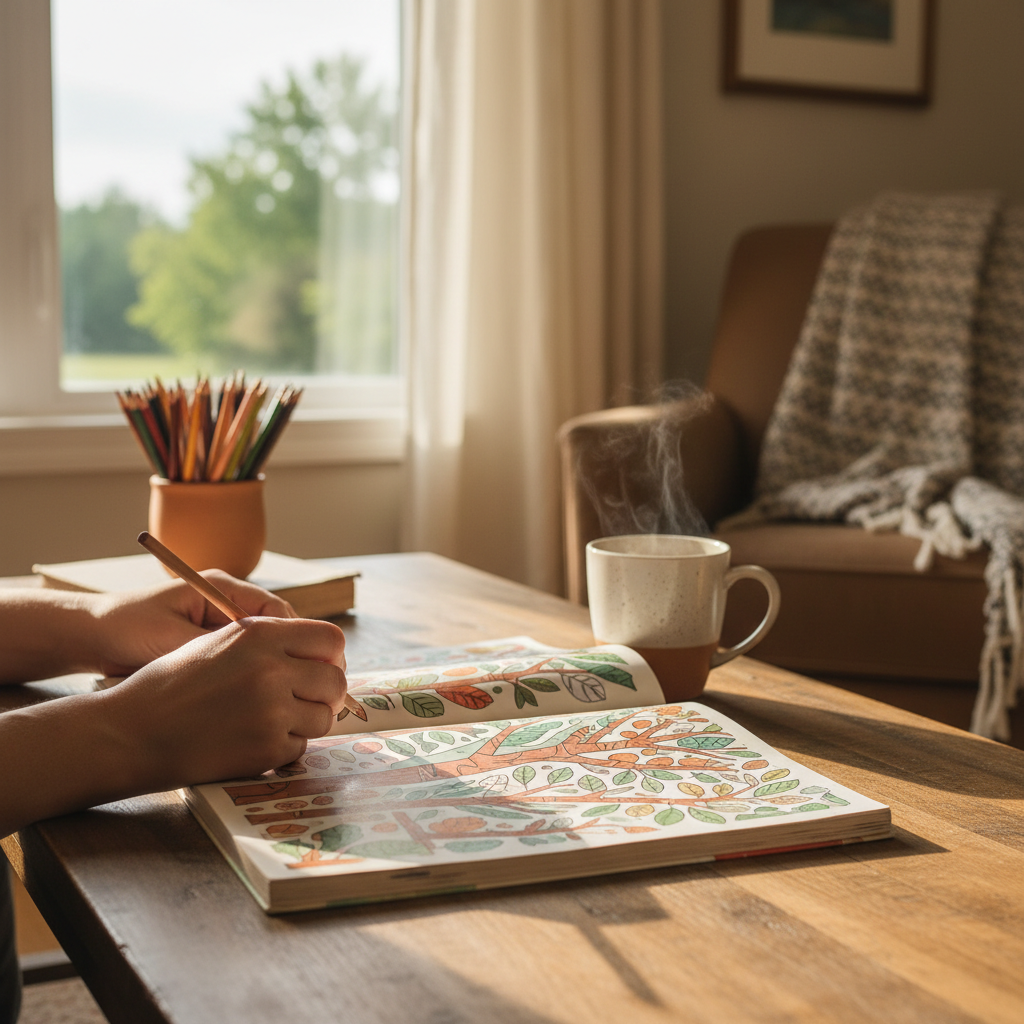
Adult colouring is a popular, evidence-backed form of mindful creativity. It combines pattern recognition, fine motor coordination, and low-stakes choice. For summer, it is especially adaptable: you can colour outdoors, bring a kit to Kempenfelt Bay, or set up a picnic at Sunnidale Park.
Key reasons colouring reduces stress
- Predictable repetition calms the nervous system
- Colour choice supports mood regulation and self-expression
- Small, achievable tasks deliver quick satisfaction
- Materials are portable and inexpensive
Try a 20-minute colouring practice this week and notice how your breathing and mental chatter change.
A summer toolkit for screen-free creativity
Assemble a simple kit that fits into a tote bag and you can take anywhere in Barrie. Choose lightweight, affordable tools that make doing easy, not intimidating.
Essentials to include
- A colouring pad or a small sketchbook
- A set of coloured pencils or water-soluble pencils
- A fine-tip pen for outlines and doodles
- A comfortable mat or small folding stool
- A water bottle and sunscreen for outdoor sessions
Optional extras
- Portable clip board to steady pages
- A small speaker if you prefer gentle music without a screen (or bring a preloaded playlist on a device you can leave in your bag)
- A simple reference sheet with prompts: 1 colour for calm, 2 colours for balance, 3 colours for energy
Quick screen-free exercises for instant relief
These short, summer-friendly exercises are designed for adults who need fast stress relief.
- Two-minute colour breath
- Choose one pencil. Close your eyes and take three deep breaths.
- Open your eyes and colour a simple shape for two minutes, matching each stroke to an exhale.
- Notice how your breathing slows.
- Five-minute shoreline sketch
- Sit near the water at Kempenfelt Bay or any lake in Simcoe County.
- Sketch the horizon line and three simple shapes: a boat, a tree, a cloud.
- Focus on line quality, not detail. This anchors attention without pressure.
- Ten-minute emotions map
- Draw a handful of circles. Label each with an emotion you felt today.
- Colour each circle with a hue that matches intensity.
- Observe patterns without judgment—this builds emotional clarity.
- Twenty-minute summer mandala
- On a portable pad, draw a simple central point and expand outward with repeating shapes.
- Colour each ring mindfully, one ring at a time. This supports sustained attention and flow.
A simple 4-step evening screen-free ritual for adults
A short evening routine can reset your nervous system and improve sleep. Try this 4-step ritual after dinner when daylight lingers.
- Set intention (1 minute)
- Say aloud or think: I will spend 20 minutes creating without screens.
- Gather materials (1 minute)
- Keep everything in a designated basket or tote so preparation is frictionless.
- Create for 20 to 30 minutes
- Colour, doodle, collage, or fold paper. No expectations. Focus on the process.
- Reflect and release (2 minutes)
- Close your session by writing one word about how you feel. Put materials away to mark the end of the practice.
This ritual works especially well on warm summer nights when windows are open and the world feels calmer.
How to build a sustainable screen-free habit
The hardest part is starting. Small wins and social support help. Here are practical tips:
- Schedule micro-sessions: 10 to 20 minutes daily beats a two-hour weekend binge.
- Make materials visible: keep a colouring pad on the coffee table.
- Pair creativity with pleasant triggers: a summer tea on the patio, an evening breeze, or the sound of kids playing nearby.
- Join a local group or invite friends from Barrie for a weekly outdoor colouring meetup.
- Track progress with a simple habit check: mark a calendar each day you create.
Small, consistent steps are what turn a pleasant summer activity into an enduring source of stress relief.
Outdoor spaces in Barrie to do screen-free creative work
Barrie and Simcoe County are full of spots ideal for screen-free creativity. Here are a few suggestions:
- Kempenfelt Bay shoreline: gentle waves and open sky for sketching
- Sunnidale Park: shaded trees and picnic tables for group colouring
- Centennial Park: long benches and sunsets perfect for evening mandalas
- Couchiching Beach Park: sand, water and calming horizons for loose, meditative marks
Bring a small pad and pencils and let the season guide your practice.
Combining mindfulness and creativity: a short guided protocol
A short protocol combines breathing, body awareness, and creative action. Use it when stress feels high and the day is long.
- Find a comfortable seat and close your eyes for three deep breaths.
- Do a quick body scan from head to toes in 30 seconds.
- Open your eyes and choose a colour that feels right now.
- Colour a simple shape while matching strokes to your breath.
- After five minutes, pause, notice sensations, and write one sentence about the experience.
This protocol trains attention and strengthens the connection between body and creative expression.
When screen-free creativity needs more than colouring
Colouring is accessible, but sometimes we need different outlets. If you notice persistent sleep problems, high anxiety, or low mood despite creative practices, consider the following:
- Try varied activities: collage, clay, knitting, gardening or walking with sketching breaks.
- Add social creativity: join a local workshop or a communal art night.
- Seek professional support: a counsellor or mindfulness coach can tailor strategies.
Creative practice is a tool, not a cure-all. Use it alongside sleep hygiene, movement, and social connection.
Tips for voice-search friendly content and quick answers
People often ask short questions aloud. Here are concise answers you can use or remember:
- How does screen-free creativity reduce stress? It shifts attention from digital stimulation to tactile, focused tasks that calm the nervous system and reduce rumination.
- What is a fast creative activity for anxiety? Five minutes of colouring a simple shape or drawing repeated lines helps regulate breathing and bring quick calm.
- Can adults benefit from colouring? Yes. Adult colouring supports emotional regulation, attention recovery, and provides a low-pressure route into creativity.
Short, clear answers like these are exactly what voice assistants and featured snippets prefer.
Bringing screen-free creativity into your Barrie summer routine
Start small and celebrate small wins. Here are ready-made summer ideas to try:
- Morning porch colouring with coffee while the air is cool
- Lunchtime sketch walks around Barrie downtown
- Early evening mandala sessions before backyard barbecues
- Weekend picnic art kit outings to local beaches
If you want ready-to-use materials, consider browsing our curated kits at shop. For more ideas and seasonal inspiration, explore our posts at blog.
What to expect after four weeks
If you practice consistently, even briefly each day, you may notice:
- Reduced daily stress and quicker recovery from stressful moments
- Improved sleep onset and more restful nights
- Greater mental clarity and fewer intrusive thoughts
- Increased joy and confidence in small creative acts
Measure change by journal notes, mood ratings, or the number of screen-free sessions you do each week.
A few summer projects to try this season
- Water-soluble pencil washes: sketch leaves and activate with a damp brush for loose, beachy textures
- Pocket mandalas: fill a mini-pad with tiny circular designs during commute or lunch
- Nature collage: collect small summer finds and assemble a tactile collage at the park
- Colour swap: trade a small finished page with a friend and discuss colours and feelings
These projects are low-cost and high-connection. They make summer afternoons feel intentional and restorative.
Conclusion: small, screen-free creative acts restore calm
The science is clear: hands-on, screen-free creative practices reduce stress, restore attention, and improve mood. This summer in Barrie is a perfect time to reclaim calm—whether you relax with a colouring session on the shore or build a nightly ritual on your back patio. Start small, keep it joyful, and notice the subtle shifts in how you feel. If you need starter materials, visit our shop for beginner kits, or read more on seasonal creativity at our blog.
FAQ quick section in the post
- How long should a screen-free creative session be to reduce stress? Even 10 to 20 minutes daily can produce measurable benefits.
- Is colouring better than meditation for stress? They serve different purposes; colouring is an accessible form of mindfulness that can complement meditation.
- Can outdoor creativity boost results? Yes. Natural environments amplify restorative effects and deepen attention recovery.
- What if I dont feel creative? Creativity is a skill not a talent. Start with simple prompts and small marks.
- How do I keep this habit when life gets busy? Schedule micro-sessions and keep materials visible and ready.