Colouring as a Quiet Activity for Classrooms in Simcoe County
Nicholas Lynn··5 min read

Classroom days move quickly. Between morning announcements, energetic recesses, outdoor gear changes in wet autumn or snowy winter months, and rotating subject blocks, elementary teachers across Simcoe County face constant sensory shifts. Finding a low-prep, quiet activity that helps an entire room settle down without conflict is a daily challenge.
Colouring is an effective, accessible quiet activity for elementary classrooms because it requires zero tech setup, offers clear boundaries, and engages fine-motor focus without academic pressure. When students sit down with simple line art and pencils, their attention naturally shifts from external excitement to repetitive, grounding hand movements.
Whether you teach in Barrie, Orillia, Innisfil, or Collingwood, introducing quiet colouring routines can support smoother transitions throughout the school day.
Why Colouring Works for Classroom Transitions
Transition periods are often when classroom volume climbs and focus scatters. Moving from a busy playground into silent reading or mathematics demands rapid mental gear-switching from children.
Colouring works well during these moments for several practical reasons:
- Predictable tactile feedback: Holding a crayon or coloured pencil provides immediate physical sensation. The repetitive rhythm of filling in shapes gives overstimulated nervous systems a simple anchor.
- No fear of failure: Unlike worksheets or guided writing, a colouring page has no right or wrong answers. Students who feel self-conscious about reading or numeracy can participate on equal footing.
- Built-in volume control: When hands are busy with tactile tasks, conversations tend to drop to quiet whispers. The physical stillness required to colour within spaces helps lower room energy naturally.
- Quick setup and cleanup: Bins of pre-sorted pencils and a stack of paper take less than a minute to distribute and pack away.
Teachers often notice that a brief five- to ten-minute colouring window helps students reset before starting instructional lessons.
Practical Ways to Use Colouring in the School Day
Integrating colouring does not mean sacrificing curriculum hours. Instead, it works best as a transitional bridge during the natural seams of the school timetable.
1. Soft Start Morning Routines
Many Ontario classrooms have moved away from rigid morning desk work in favour of "soft starts." As students arrive at staggered times, shake off snow boots, and unpack backpacks, having colouring sheets laid out on tables creates an inviting, predictable start to the morning. It gives late arrivals a calm entry point and lets early arrivers settle their minds before morning attendance and announcements.
2. Post-Recess Grounding
Indoor recess during blustery Simcoe County winters or wet spring mud seasons often leaves students with pent-up energy. Coming back to desks after a high-energy indoor break can lead to friction. Setting a classroom timer for seven minutes of quiet instrumental music paired with colouring allows students to catch their breath and steady their breathing before launching into language arts or social studies.
3. Dedicated Calming Corners
A calming corner or quiet breakout nook gives students a safe space to regulate when they feel overwhelmed by sensory input or big emotions. Keeping a clipboard with thick-lined colouring pages and a pencil case of pencil crayons in this space offers an unobtrusive tool for self-directed calm.
4. Fast-Finisher Stations
Students finish classroom assignments at vastly different speeds. Rather than assigning "more work" that can feel like a penalty to swift workers, a quiet colouring basket provides a respectful, quiet choice that keeps early finishers occupied without distracting peers who are still writing or reading.
Choosing the Right Colouring Materials for Young Hands
Not all colouring materials serve young learners equally well. Choosing supplies suited to motor skill levels prevents frustration and torn pages.
- Line thickness and detail: For kindergarten through grade 3, look for artwork featuring bold, distinct outlines and generous white space. Intricate patterns designed for older hobbyists can overwhelm smaller hands and cause wrist strain.
- Sturdy paper: Standard 20lb printer paper easily tears under heavy pressure and warps if students use markers. Choosing artist-grade paper or cardstock keeps the page intact and prevents bleed-through on desks.
- Pencils over heavy markers: Coloured pencils and triangular wax crayons encourage natural tripod grip development. While water-based markers offer vibrant colour, pencils offer quiet tactile friction that many educators find better for self-regulation.
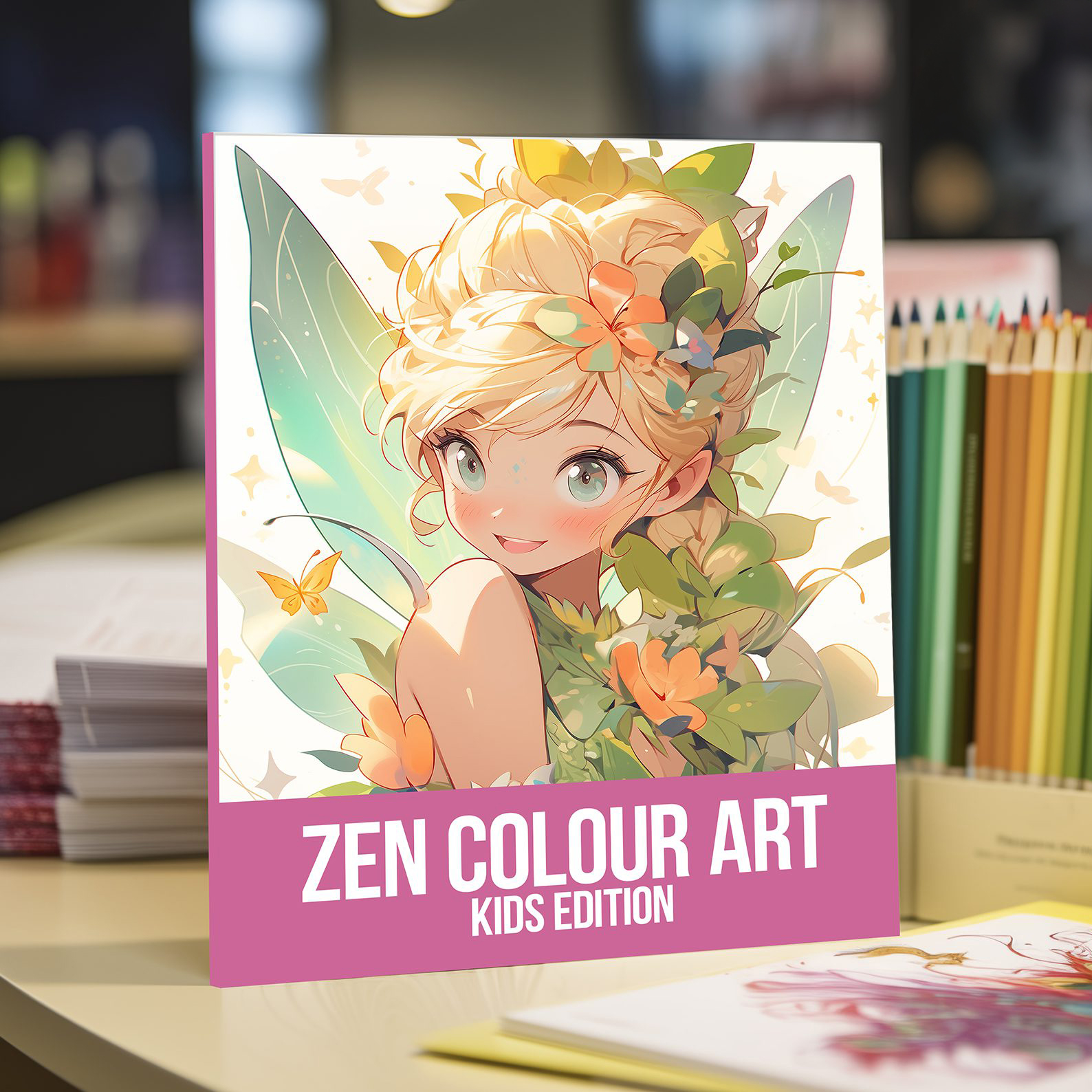
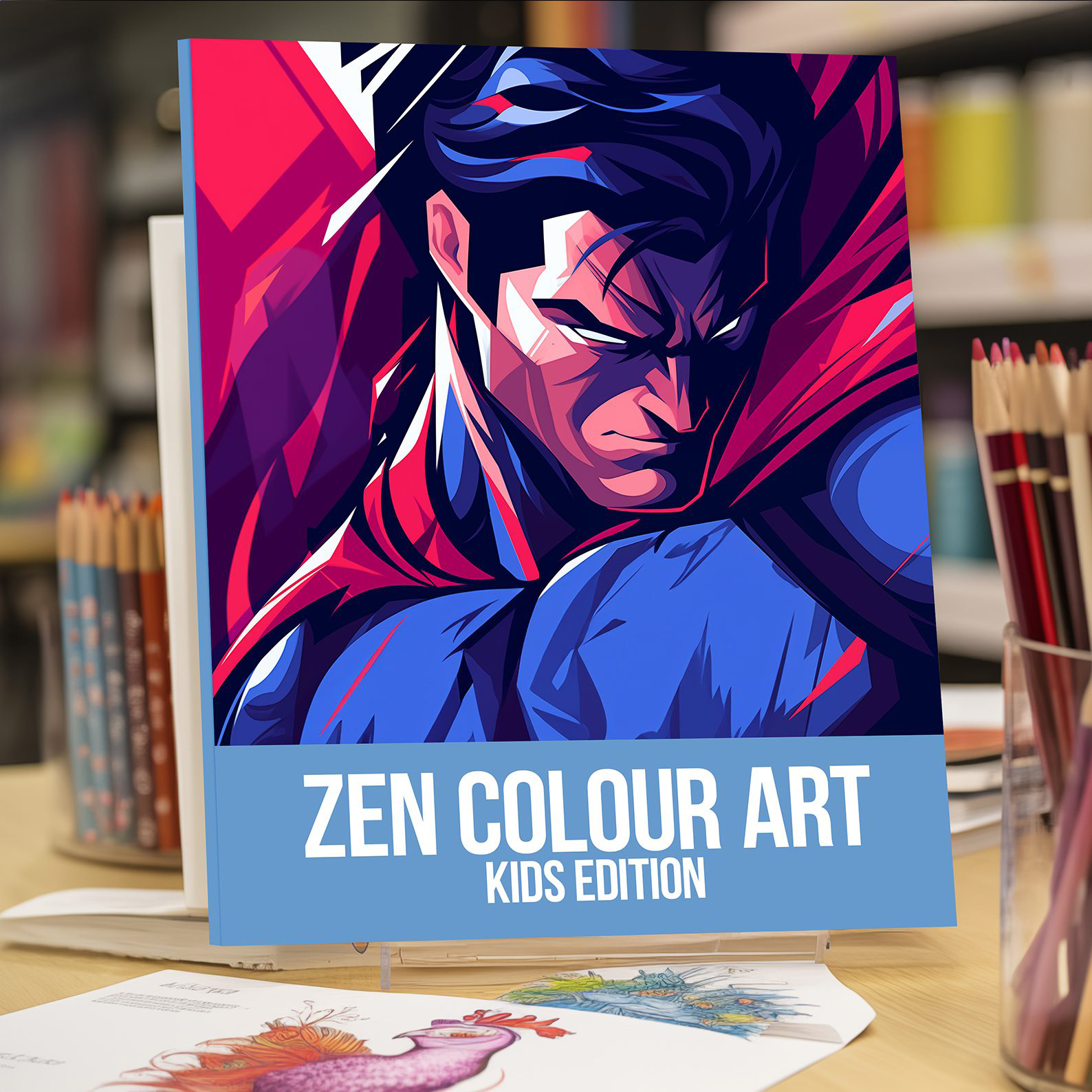
At Zen Colour Art, our studio in Barrie designs books with this exact balance in mind. For instance, our Kids Edition: Boys (Little Explorers) and Kids Edition: Girls (Enchanted Fairies) collections are both designed for ages 4 to 8. We name them for their themes—adventurous wildlife and magical fairy gardens—and both are open to any child who enjoys those subjects. Each book features bold lines, forgiving spaces, and thick 120gsm artist paper printed single-sided, ensuring pencils and markers glide smoothly without tearing.
Supporting Screen-Free Focus Across Simcoe County
With smartboards, classroom tablets, and digital learning platforms woven into the modern curriculum, providing regular screen-free resting points is essential. Tactile activities allow young eyes to relax from back-lit displays and reconnect with physical materials.
If you teach or coordinate programs in Barrie or across Simcoe County, sourcing local, high-quality creative resources is straightforward. Zen Colour Art offers free local delivery across Simcoe County and free local pickup at 101 Grace Crescent in Barrie (simply select "Local Pickup" at checkout). We also partner with local educational groups, independent retailers, and gift shops with wholesale orders for bulk classroom libraries.
For more ideas on selecting age-appropriate books, read our guide on how to choose a colouring book for a child aged 4–8, or explore our list of thoughtful colouring gift ideas for teachers and classrooms.
A Simple Routine to Try Tomorrow
If you want to introduce quiet colouring to your class, start small:
- Select two or three distinct page designs with clear, inviting themes.
- Place small baskets of pre-sharpened coloured pencils at desk clusters.
- Explain the expectations clearly: "For the next eight minutes, we will let our hands work quietly while our bodies rest."
- Play gentle acoustic or nature sounds in the background.
- Give a one-minute gentle warning before wrapping up.
By building quiet colouring into your regular school rhythm, you provide a dependable pause that helps young learners reset, focus, and feel comfortable throughout their learning day.