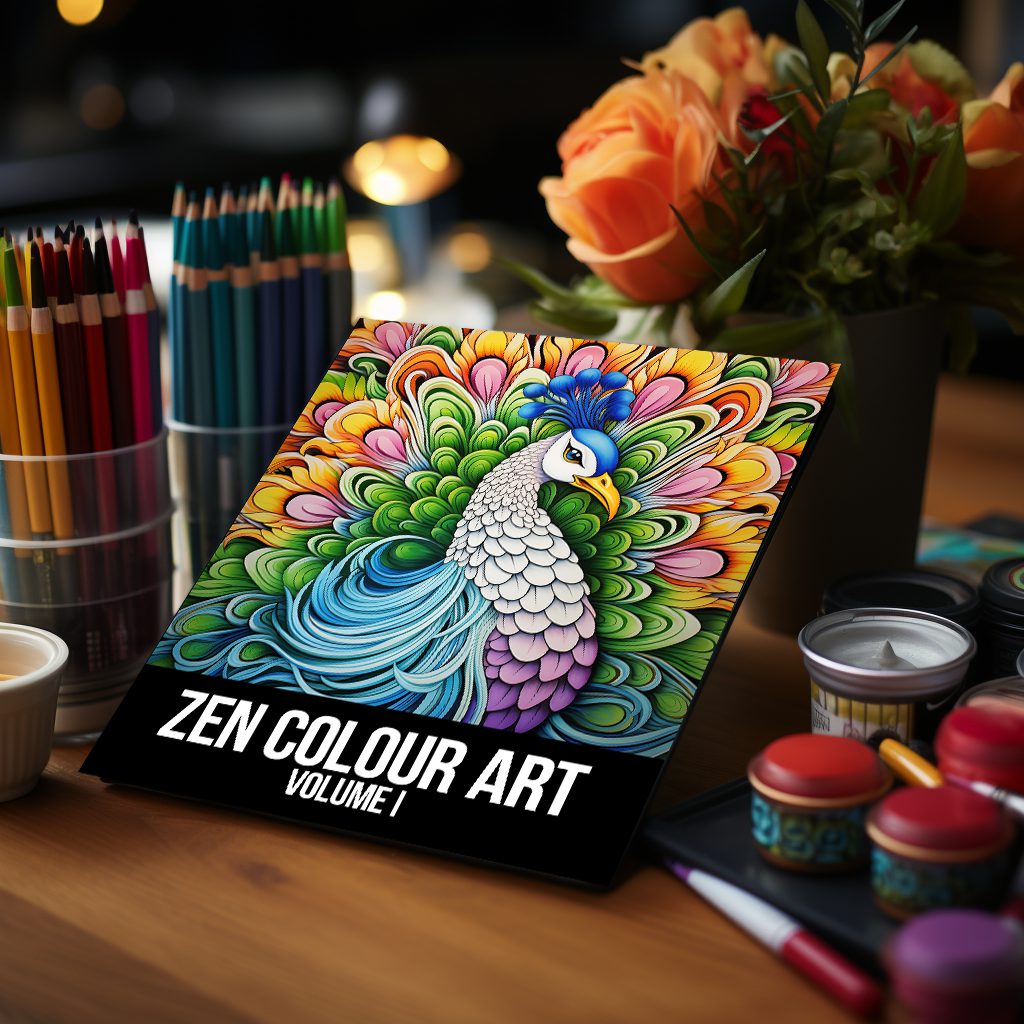
Mindful Colouring for Beginners: A Simple Starting Routine
Nicholas Lynn··7 min read
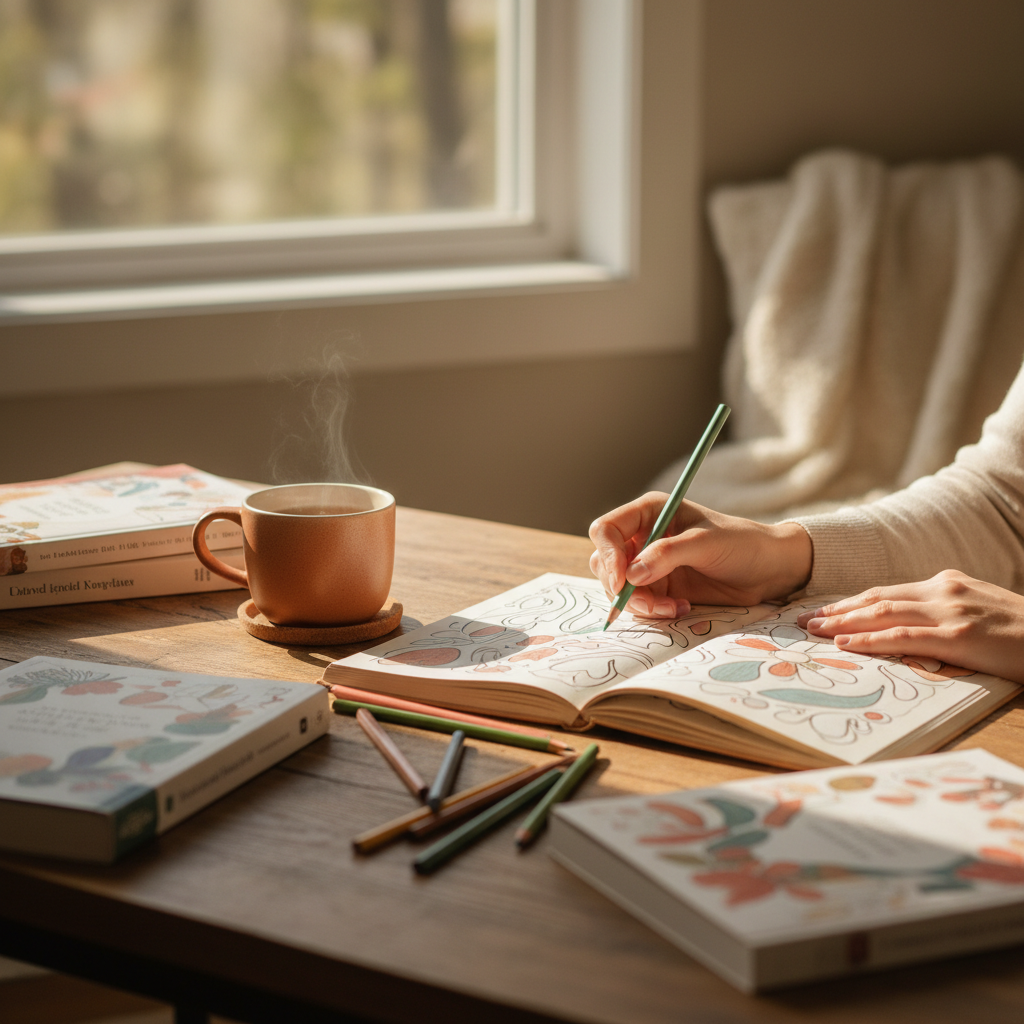
Mindful colouring is the practice of focusing your attention entirely on the simple, physical act of putting colour onto paper. Unlike traditional art projects, there is no final goal, no deadline, and no need to produce something worthy of a gallery. To start, all you need is ten quiet minutes, three or four coloured pencils, and an inviting page with balanced shapes.
Many people find that taking a short, deliberate break with coloured pencils can support relaxation and quiet a busy mind. When your hands are engaged in gentle, repetitive movement, your attention naturally settles on the present moment. Here is a straightforward guide to creating an unhurried colouring routine that fits easily into your daily life.
What Makes Colouring Mindful?
Almost everyone coloured as a child, but mindful colouring approaches the activity with a different intention. Rather than rushing to finish a scene or worrying about staying strictly inside the lines, you treat the process as a grounding exercise.
In mindful colouring, your focus rests on sensory details:
- The physical sensation: The texture of the paper under your hand and the gentle pressure of your pencil.
- The sound: The soft scratching or sweeping sound of the pencil lead against artist paper.
- The visual movement: Watching a blank white space gradually fill with a warm tone or cool shade.
- The rhythm of your breath: Matching your movements to a natural, unhurried breathing pace.
When your thoughts wander toward your to-do list, you simply notice the distraction without self-criticism and gently bring your eyes back to the shape in front of you.
Preparing Your Space and Tools
You do not need an elaborate art studio or an expensive set of supplies to begin. In fact, having too many choices can sometimes create unnecessary friction.
1. Choose a Comfortable Spot
Find a flat, clear surface with good lighting. It could be your kitchen table, a tidy corner of a desk, or even a lap desk on your favourite chair. Keep your phone out of reach or on silent mode so your attention remains unbroken.
2. Keep Your Palette Small
A tin of seventy-two pencils looks lovely on a shelf, but picking through dozens of shades can pull you out of a quiet headspace. For a ten-minute session, choose three to five colours that feel pleasing together. If you are unsure where to start, read our guide on colour theory basics for simple, harmonious palette ideas.
3. Work on Sturdy Paper
Paper quality changes how colouring feels. Lightweight newsprint or thin office paper can tear under firm pressure or buckle if you use ink. Quality 120gsm paper provides a smooth tooth that catches pencil pigment beautifully and gives every stroke a satisfying, solid feel.
A Step-by-Step 10-Minute Starting Routine
When establishing a new habit, keeping the commitment short makes it easy to repeat. Ten minutes is long enough to reset your focus without feeling like another task on your calendar.
Step 1: Select Your Page
Choose an illustration that feels inviting rather than intimidating. Overly dense patterns with hundreds of microscopic segments can lead to hand strain and visual fatigue. At Zen Colour Art, our creator Nicholas Lynn designs pages with a thoughtful balance of open space and fine detail so you never feel overwhelmed before you even begin.
Step 2: Take Three Slow Breaths
Before your pencil touches the paper, pause. Roll your shoulders back and take three slow, steady breaths. Letting your body settle signals to your nervous system that you are shifting out of work mode and into quiet creative time. For a deeper pairing, you can explore our tips on breathwork and colouring.
Step 3: Pick One Section to Begin
Do not look at the entire page as a project you must finish today. Pick a single petal, leaf, or geometric segment. Decide which colour to use and gently begin filling the space.
Step 4: Pay Attention to Pressure and Pace
Hold your pencil with a relaxed grip. Many adults hold writing utensils too tightly out of habit. Loosen your fingers slightly. Experiment with light, circular strokes or smooth, parallel lines. Notice how the colour deepens when you add a second light layer across the first.
Step 5: Close Your Session with Gratitude
When your ten minutes are up, stop wherever you happen to be. A mindful colouring page does not need to be completed in one sitting; an unfinished page simply gives you a welcoming place to return to tomorrow. Set your pencil down, look at what you shaded, and take one final deep breath before moving on with your day.
Common Beginner Hurdles (and How to Avoid Them)
It is common to encounter small frustrations when you pick up a colouring book for the first time in years. Here is how to navigate them.
The Urge to Make It Perfect
Many adults worry about making a "mistake" or choosing the "wrong" colour. In mindful colouring, mistakes do not exist because the goal is the practice itself, not an end product. If a colour looks different than you expected, accept it as part of the page's unique character and keep moving.
Heavy Hands and Fatigue
If your hand aches after five minutes, you are likely gripping the pencil too firmly or pressing hard to make the shade darker. Instead of pressing harder, build colour gradually in light layers, or switch to soft-core coloured pencils that lay down rich pigment with minimal effort.
Bleed-Through Frustrations
If you prefer gel pens or fine-tip markers over pencils, thin double-sided paper can bleed through and ruin the drawing on the back. To avoid this, look for books printed single-sided on heavyweight artist paper. Single-sided printing also means you can easily take out and frame a favourite finished page.
Finding What to Colour
If you are drawn to circular, symmetrical patterns, mandalas are a classic choice for mindfulness. The repetitive geometry guides your eyes naturally around the page and removes the guesswork of deciding what shade a specific object "ought" to be. In Mindful Mandalas, Vol. 1, we feature forty hand-drawn illustrations printed on 120gsm acid-free paper, giving you plenty of space to explore slow, rhythmic shading.
If you prefer botanical shapes and quiet scenery, a curated book like The Calm Collection blends florals with gentle patterns that encourage relaxed, unhurried focus.
Making the Habit Stick
Consistency matters more than duration. Colouring for ten minutes four days a week will bring far more calm to your routine than trying to colour for two hours once a month.
Leave your colouring book and pencil case somewhere visible, such as a coffee table or nightstand, rather than tucked away in a drawer. When your tools are ready and waiting, choosing a few quiet minutes of colour over mindless phone scrolling becomes an easy, natural choice.
Frequently Asked Questions
Do I need to be artistic to try mindful colouring?
Not at all. Mindful colouring requires zero drawing skill or formal training. The outlines are already provided on the page, leaving you free to enjoy the tactile pleasure of applying colour without worrying about composition, perspective, or realism.
What are the best tools for a beginner?
A basic set of twelve to twenty-four wax- or oil-based coloured pencils is ideal for starting out. They give you fine control, allow for soft blending, and will not bleed through paper. Once you feel comfortable, you can experiment with water-based markers or smooth gel pens.
How long should a mindful colouring session last?
Ten to fifteen minutes is plenty for a daily practice. Short sessions make it easy to maintain the routine without feeling like a chore. If you find yourself in a pleasant flow and want to keep going, you are always welcome to colour longer.
Can children participate in mindful colouring?
Yes. While children often colour with high energy, older kids and beginners of any age can enjoy the quiet focus of mindful colouring. Our books are family friendly and made for anyone who wants an unhurried, screen-free creative break. Learn more about our studio and how we design our books in Barrie, Ontario.
What should I do if my mind keeps wandering?
It is completely normal for your mind to wander, especially after a busy day. Whenever you notice yourself thinking about chores, emails, or tomorrow's schedule, simply acknowledge the thought and gently redirect your attention to the pencil stroke in front of you. Over time, this gentle redirection becomes second nature.