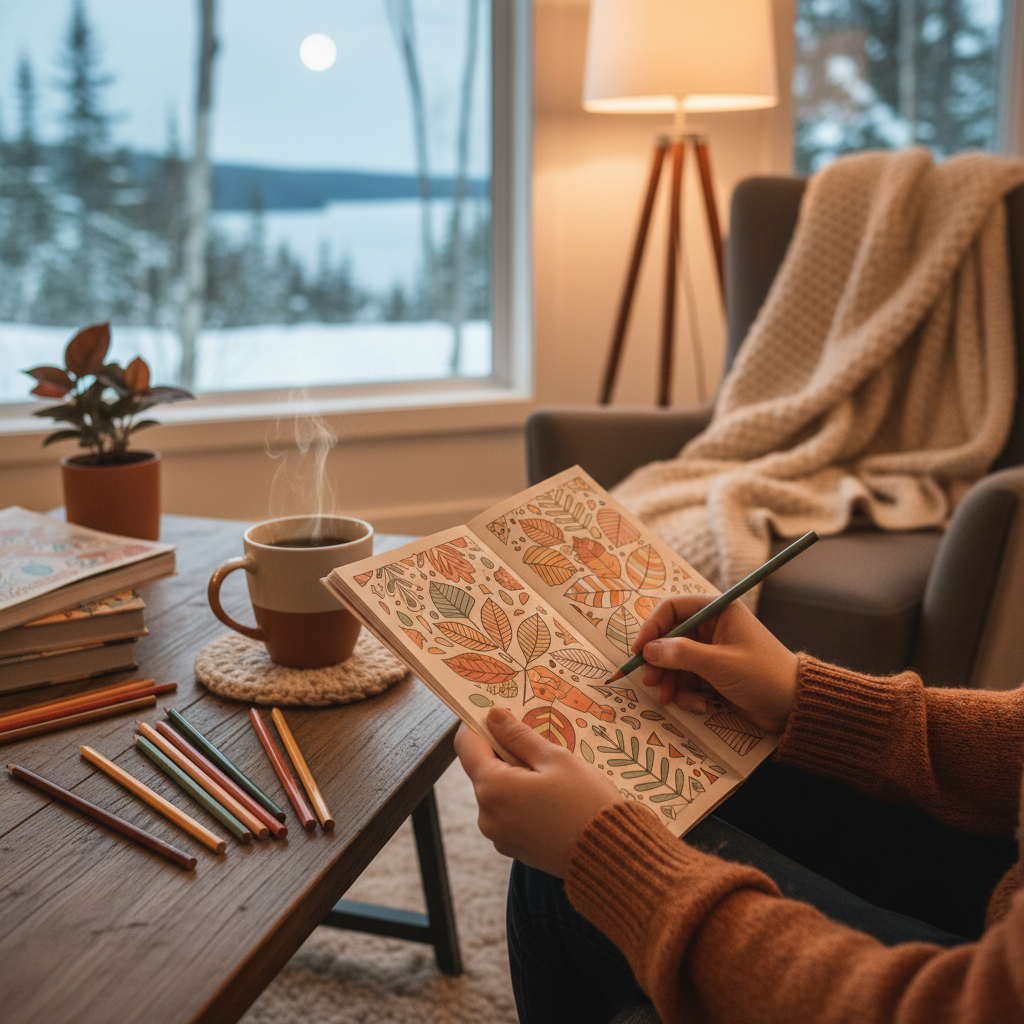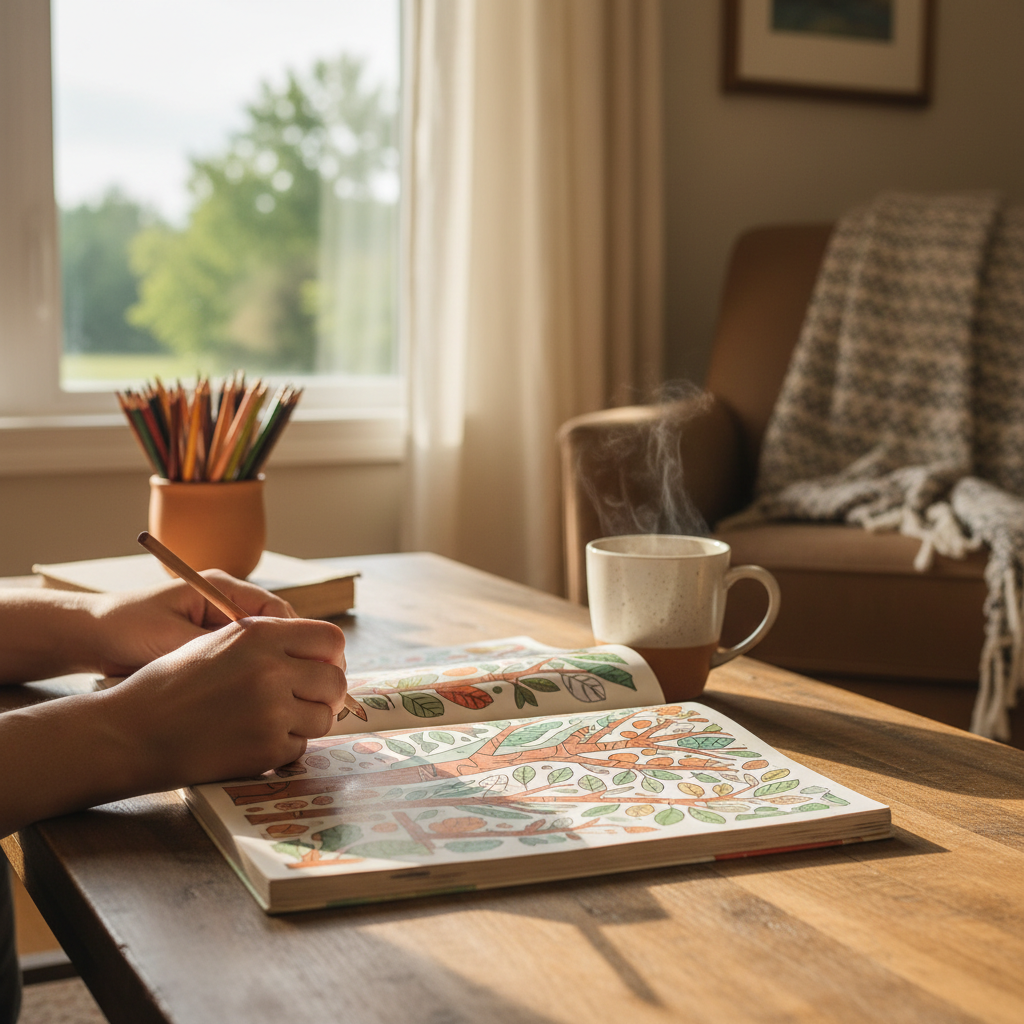
Colour Therapy for Anxiety: A Beginner’s Summer Guide to Calm
Zen Colour Art··8 min read
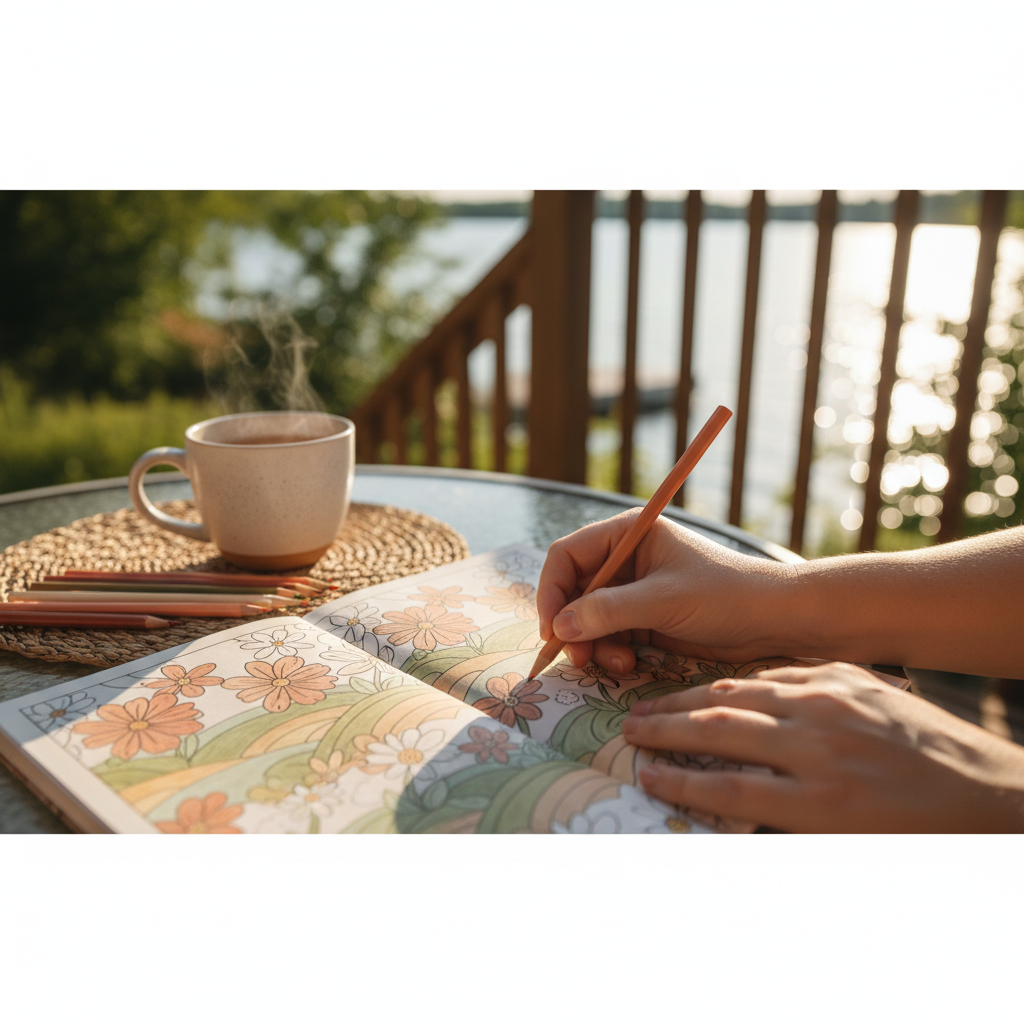
Colour therapy for anxiety: a beginner's guide for summer
Summer in Barrie brings long evenings, warm lake air, and a chance to slow down. If anxiety has been louder than you'd like, colour therapy — a gentle, accessible form of creative mindfulness — can help. This guide walks you through simple, science-backed techniques, screen-free sessions, and practical tips so you can begin using colour to lower stress and reconnect with calm.
Whether you're new to colouring or returning after years away from paper, this article is for adults seeking stress relief, creativity, and a mindful break from screens. We'll include easy exercises you can do at home, outdoors around Kempenfelt Bay, or with a friend at a local Barrie cafe.
What is colour therapy (and how does it help anxiety)?
Colour therapy in the context of adult colouring is the intentional use of colour, pattern, and mindful attention to calm the nervous system and focus the mind. It isn't a medical treatment, but it supports emotional regulation in ways research and lived experience consistently show:
- Engages the parasympathetic nervous system by encouraging slow, focused breathing.
- Shifts attention away from rumination and catastrophic thinking toward a present task.
- Stimulates sensory input that can be soothing: the tactile feel of paper, the glide of a pencil, the visual softness of colour.
- Encourages a low-stakes creative flow state, which reduces cortisol and increases feelings of mastery and wellbeing.
For adults dealing with anxiety, colour therapy is appealing because it's simple, portable, and screen-free. You don't need to 'be an artist.' You only need curiosity and a willingness to sit with colour for a little while.
Why summer is a great time to start
Summer's longer daylight and warmer weather make it easier to carve out calming routines. Consider these advantages:
- Outdoor colouring: draw inspiration from green spaces, the lake, or summer skies.
- Natural light: colours appear more vivid and pleasing in daylight, boosting mood.
- Seasonal rhythm: summer often encourages slower pacing and gentle rituals.
If you live in Barrie or anywhere in Simcoe County, summer lets you pair colouring with walks along Kempenfelt Bay or bring a colouring set to a picnic in Sunnidale Park.
Quick science: how attention, colour, and touch interact
While research on 'colour therapy' as a single field is evolving, studies show clear benefits of mindful repetitive tasks, creative activity, and sensory engagement:
- Mindfulness and flow reduce physiological signs of stress.
- Repetitive hand movements, like colouring, can lower heart rate and increase relaxation.
- Choosing colours and focusing on small visual decisions help interrupt anxious thought loops.
In short, the act of concentrating on colour and form can rewire attention away from anxiety to the present moment.
Getting started: what you need (beginner-friendly)
You don't need an art degree. Start with a small kit you can keep by your favourite chair or take to the lakefront.
Essentials:
- Good paper or a beginner colouring book (look for patterns you enjoy: florals, mandalas, landscapes).
- A small set of coloured pencils or dual-tip markers. For summer, pick a palette of 8-12 colours that feel calming—blues, greens, soft yellows, and warm neutrals.
- A comfortable seat and natural light. If outdoors, a lap board or clipboard helps.
- A timer (optional) for short sessions: try 10-20 minutes to start.
If you like recommendations, check our curated kits at shop designed for adult beginners who want mindful, screen-free creativity.
Setting up a calming session: practical steps
Create a ritual so your brain recognises time to unwind.
- Choose time and place: morning light at your kitchen table or a soft evening on your balcony. In Barrie, an early-evening bench by Kempenfelt Bay can be restorative.
- Set a short intention: 'I will colour for 15 minutes to breathe and calm.'
- Turn off notifications and put your phone face down. The goal is screen-free presence.
- Breathe for a minute, tune into the colours, and begin.
Short sessions are especially useful when anxiety feels overwhelming. They’re easier to commit to and often more effective at lowering immediate tension.
Colour choices and emotional resonance
Colour has personal and cultural meaning. For beginners, choose colours that feel soothing without forcing symbolic meanings.
- Blues and greens: often calm and grounding.
- Soft lavenders and muted pinks: nurturing and gentle.
- Warm yellows and corals: uplifting but use sparingly to avoid overstimulation.
- Greys and earth tones: excellent anchors for more energetic colours.
Experiment with small swatches before committing to a page. Notice what happens to your breathing and focus as you lay down colour.
A simple guided colouring exercise (10–20 minutes)
This exercise is designed to gently anchor attention and ease anxious thoughts.
- Sit comfortably. Place your colouring page and pencil set in front of you.
- Take three full, slow breaths. Notice the contact points between your body and the chair.
- Choose three colours: a base (calm), an accent (gentle joy), and a grounding shade.
- Start with the base colour and fill a small shape slowly, paying attention to the pencil's sound and pressure.
- When your mind wanders, gently bring it back by naming the colour and the shape with a soft inner voice: 'blue, petal, blue.'
- Continue for 10 minutes. End with two breaths and a small stretch.
This approach combines sensory detail, naming, and gentle attentional redirects — all helpful for anxiety.
Variations for different kinds of anxiety
- For racing thoughts: repetitive patterning like mandalas or geometric repeats helps steady the mind.
- For anticipatory anxiety: landscapescapes or horizon lines can symbolically create a sense of openness and perspective.
- For physical tension: focus on slow, deliberate shading and use a larger, softer pencil to reduce hand strain.
Try different formats and keep a small journal note about what worked.
Mindful cues and prompts to deepen calm
- 'Colour with kindness': forgive small imperfections and value process over product.
- 'Five senses check': before you start, notice five things you see, four you can touch, three you can hear, two you can smell, and one you can taste or imagine tasting.
- Use a calming playlist or the sounds of the lake in the background if silence feels sharp.
These anchors can help redirect anxious loops toward sensory experience.
Bringing colour therapy outdoors around Barrie
Summer provides lovely settings for mindful colouring in Barrie and Simcoe County.
- Kempenfelt Bay: set up early evening to watch the light change while you colour.
- Sunnidale Park: wide lawns and shade trees make a comfortable outdoor studio.
- Local cafes: some patios welcome quiet creative time—ask your favourite Barrie spot.
- Quiet beaches: a small blanket and clip-on board turn the shoreline into a colouring nook.
Being outside adds another layer of soothing: natural sounds, fresh air, and daylight.
Making it social — small group colouring
Colouring with others can be a gentle social activity that reduces isolation.
- Invite a friend for a short 'colour and coffee' session.
- Join or start a weekly mindful colouring circle in Barrie; community centres and libraries sometimes host daytime creative groups.
- Keep the tone non-judgmental and focused on presence rather than output.
Shared sessions combine human connection with creative routine — both protective against anxiety.
When to step back and seek professional help
Colour therapy supports wellbeing but isn’t a replacement for professional care. Consider seeking help if:
- Anxiety interferes with work, sleep, or relationships.
- You experience panic attacks, intense avoidance, or harmful thoughts.
If you're in Simcoe County and need resources, local health services and mental health clinics can guide you. Colouring can complement therapy, not replace it.
Tips to build a sustainable colouring habit
- Start tiny: 10 minutes, three times a week, then increase if it helps.
- Keep materials visible: a small stack by your favourite chair acts as a visual cue.
- Pair colouring with another ritual: morning tea, evening reflection, or a brief walk by the waterfront.
- Track your feelings: a one-line daily note helps you see patterns and benefits.
Sustainability depends on low friction and gentle curiosity, not perfection.
Common obstacles and easy fixes
- 'I don't have time': fit short sessions into existing routines—colour while dinner simmers or during a tea break.
- 'I can't draw': you don't need to. Colouring books and pre-drawn pages remove creation pressure.
- 'My hands ache': try softer pencils, light pressure, or larger shapes.
- 'My mind keeps wandering': use naming cues or very small segments — colour one petal at a time.
Small adjustments keep the practice helpful rather than frustrating.
Tools and products for beginners (what to look for)
- Paper weight: 120–160 gsm is comfortable for pencils and light markers.
- Pencils vs markers: pencils allow subtle blending; markers provide vibrant colour. Choose based on tactile preference.
- Portable kits: a compact set is perfect for outdoor use.
If you want a ready-made option, our mindful kits at shop are curated for adult beginners who want a summer-friendly, screen-free creative practice.
Stories from Barrie: how local adults use colour therapy
Many people in Barrie tell us they use colouring to reclaim small moments of calm.
- A teacher colours for ten minutes after school on her balcony overlooking the lake to decompress.
- A retiree brings a set of pencils to the waterfront to stay socially connected and creatively active.
- A parent uses colouring during their child's nap as a compassionate, screen-free pause.
These real-life adjustments show how adaptable the practice can be to busy lives.
Where to find more inspiration
- Local spots: library craft nights, community centre boards, and weekend markets often feature creative groups.
- Online: search for 'mindful colouring' for free printable pages and guided exercises, and check our blog for seasonal ideas and downloadable pages.
- Workshops: look for short, local workshops in Barrie during the summer that pair gentle instruction with community.
Final thoughts: small, steady steps to calmer days
Colour therapy is an accessible, nourishing doorway into a slower, kinder rhythm. It won't erase anxiety overnight, but small, consistent practices can change how you respond to stressful moments. This summer in Barrie, try a few short, screen-free colouring sessions near the lake or at home. Notice your breathing, welcome the colours, and allow yourself the simple permission to be present.
If you're ready to begin, explore starter kits and calming pages at shop or read more ideas and stories on our blog.
FAQ
- What if my anxiety is severe — is colouring enough? Colouring is a supportive tool, not a substitute for professional therapy. Use it alongside care from clinicians when needed.
- How long should a session be? Start with 10–20 minutes. Short, regular sessions often work best for busy adults.
- Does the choice of colours matter? Choose colours that feel soothing to you. Blues, greens, and muted tones are commonly calming but personal preference is most important.
- Can I do this outdoors in Barrie during summer? Yes. Kempenfelt Bay, Sunnidale Park, and quiet beaches are great outdoor spots.
- Do I need expensive supplies? No. A basic set of pencils and a good colouring book are enough to begin.