Colour Therapy for Anxiety: A Beginner's Guide to Summer Calmness
Zen Colour Art··8 min read

Colour therapy for anxiety: a beginner's guide for a calmer summer
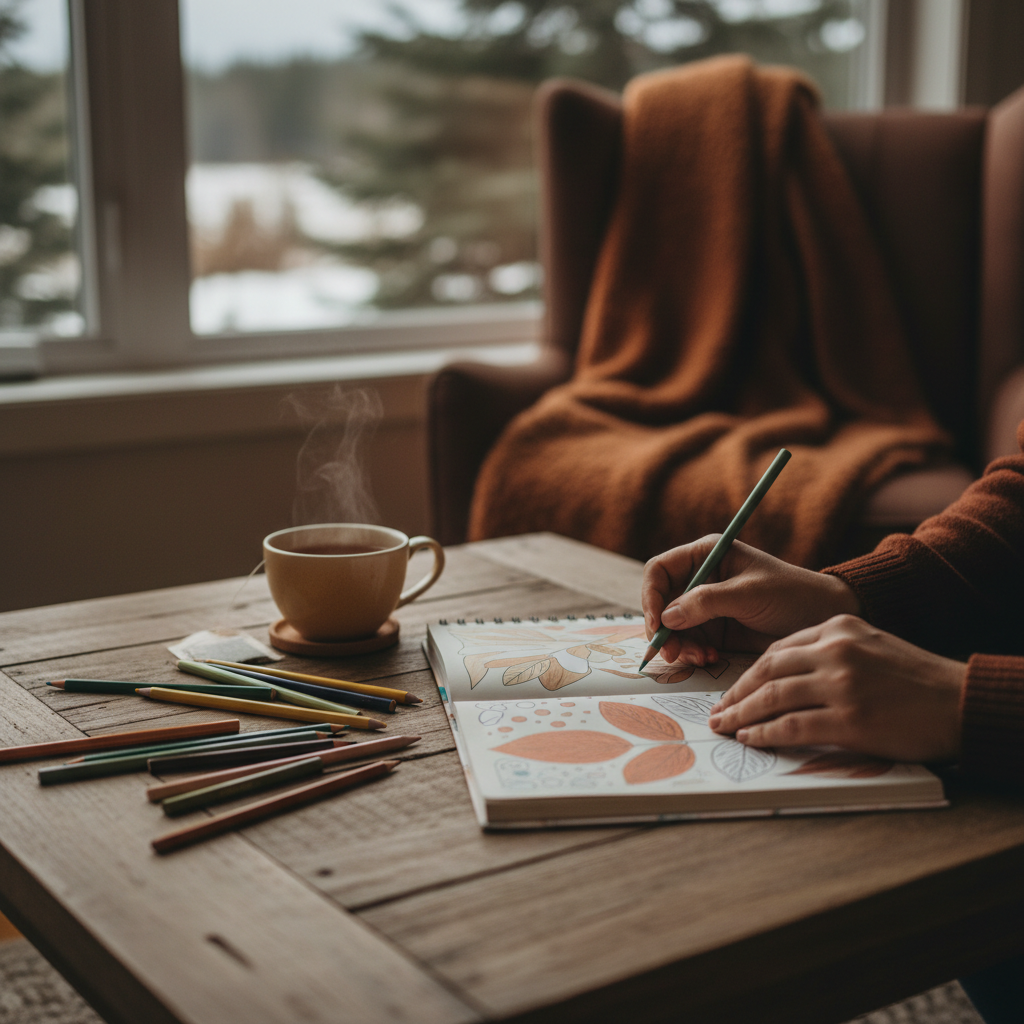
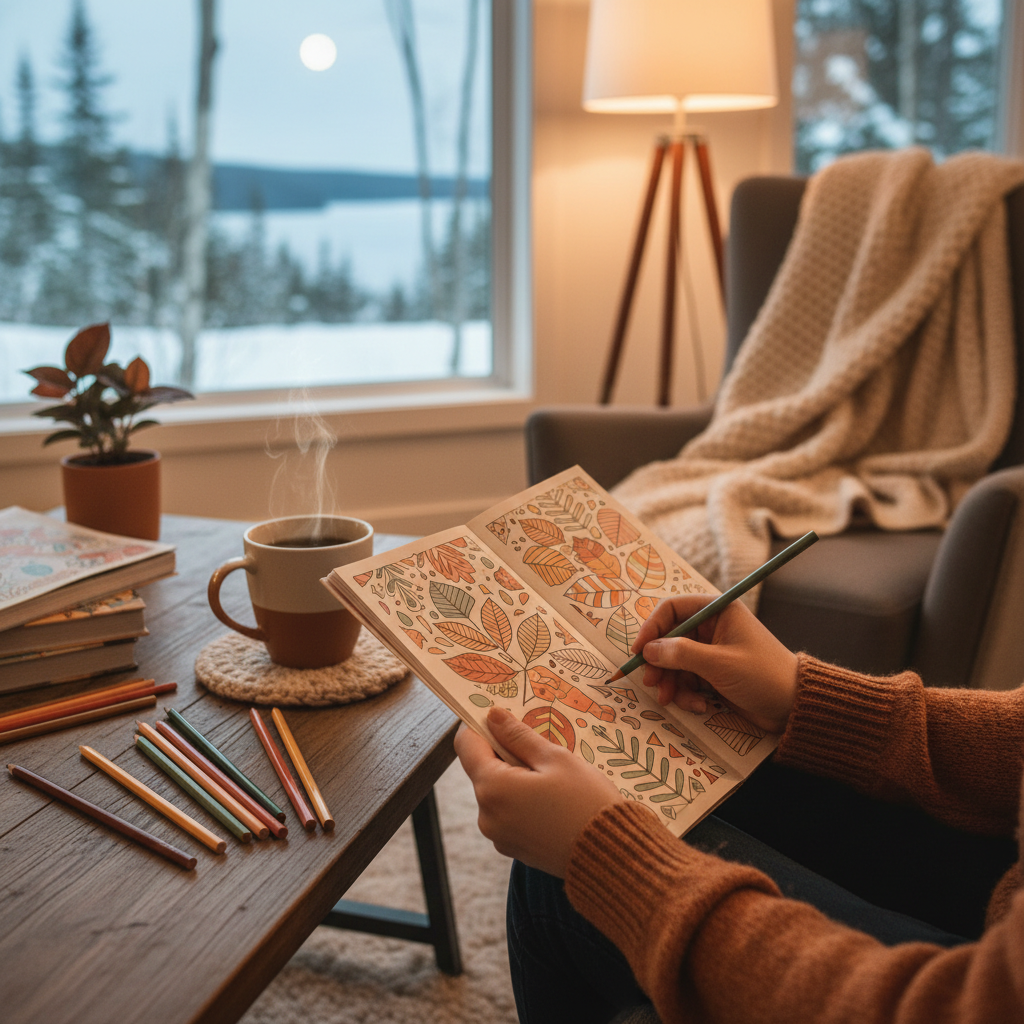
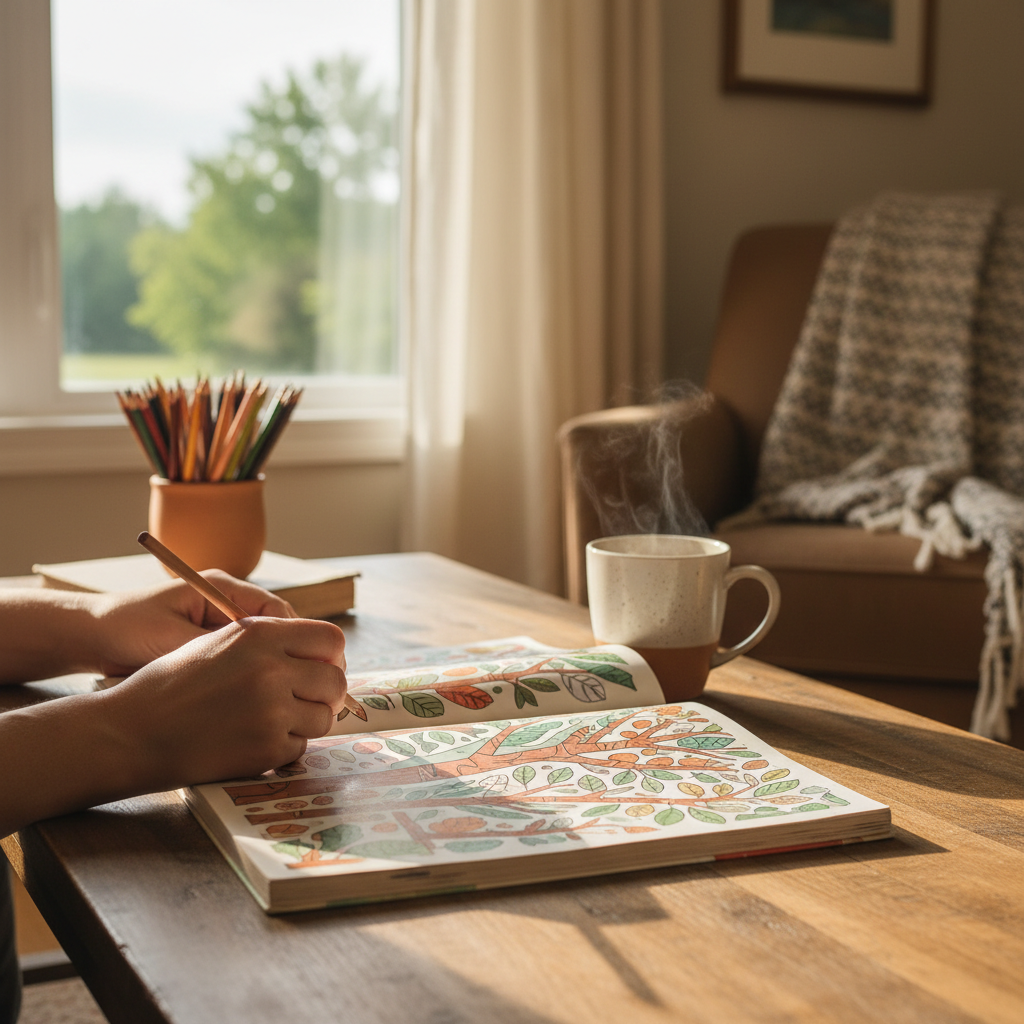
Summer light in Barrie, the sound of boats on Kempenfelt Bay, and a quiet page of colour can feel like a small miracle when anxiety rides high. This guide is written for adults who want screen-free creativity, gentle mindfulness, and practical ways to reduce stress with colour therapy.
You do not need to be an artist. You need curiosity, a few supplies, and a little time. Over the next sections you will learn what colour therapy is, why it soothes anxiety, quick and long-form exercises, how to choose colours, and how to fold this practice into summer routines in Barrie and throughout Simcoe County.
What you will get from this guide
- A clear explanation of colour therapy for anxiety
- Easy exercises you can do in 5 to 30 minutes
- A simple supply list and low-cost options
- Seasonal ideas for summer mindfulness outdoors
- Local suggestions for Barrie adults seeking calm
What is colour therapy and how does it help anxiety?
Colour therapy, sometimes called chromotherapy, uses colour and colouring activity to influence mood and mental state. For our purposes it is practical and accessible: choosing, applying and focusing on colour helps anchor attention, regulate breathing, and give the nervous system a predictable, gentle input.
How this helps anxiety:
- Focus and grounding: colouring creates a repetitive, low-stakes task that brings attention back to the present moment.
- Sensory regulation: colour and gentle hand movement stimulate the senses in a predictable way, which calms an overactive stress response.
- Emotional expression: colours can help you name feelings and create a safe way to release them without words.
- Nonverbal self-care: when words are hard, colour offers an immediate, accessible tool.
This is not a replacement for therapy or medical care, but colour therapy is a useful complement to breathing techniques, counselling, and medication when recommended by a clinician.
Quick start: 5-minute colour therapy for immediate relief
If anxiety spikes and you need a quick reset, try this short exercise you can do anywhere.
- Take out a colouring page or a single piece of paper and a pencil crayon or pen.
- Sit comfortably. Set a timer for 5 minutes.
- Pick one colour that feels right. If you do not know, choose blue or green for calming energy, or soft yellow for gentle warmth.
- Draw a simple shape or colour a small section slowly. Breathe in for 4 counts, out for 6. Continue until the timer ends.
- Notice your body. Where did tension ease? Acknowledge the moment.
This limited focus interrupts the spiraling thought loop and sends a message to your brain that something safe and rhythmic is happening.
A deeper 30-minute session for mindful colouring
Plan this when you have a half hour free, perhaps after a walk along Barrie's waterfront or before bed.
- Find a quiet space, natural light helps—outdoors on a warm summer evening is ideal.
- Gather a colouring book or print a page, a few pencil crayons, and a water bottle.
- Set an intention: I will be kind to myself, or I will notice without judging.
Step-by-step:
- 2 minutes: soft breathing and scanning the body.
- 20 minutes: colour slowly, paying attention to strokes and colour choices.
- 5 minutes: reflect in a journal line or one sentence about how you feel.
- 3 minutes: stretch gently, hydrate, and place your materials somewhere inviting for next time.
This longer ritual builds neural habits that favour calm, giving your brain a repeated pattern of restful focus and self-kindness.
Choosing colours for anxiety: simple associations and alternatives
There are no absolute rules about colour meaning. Personal associations matter. Here are general ideas to help you begin:
- Blues: often calming, remind people of water and sky. Good for evening sessions or when you need to slow down.
- Greens: grounding, connected to nature. Use on days when you need to feel steady and rooted.
- Soft yellows and warm peaches: gentle cheer, helpful during low-energy summer mornings.
- Lavenders and pale purples: soothing and slightly dreamy, useful for winding down.
- Neutral greys and beiges: use cautiously as a base; too much can feel flat.
- Reds and bright oranges: energizing and activating; useful in small amounts to shift inertia or to express strong emotions safely.
Tip: Create a small swatch test on the corner of your page to check how a colour feels before committing to a larger area.
Supplies for beginners: mindful and budget-friendly
You do not need expensive art gear. These essentials are all you need to start colour therapy at home or outdoors in Barrie parks:
- A beginner adult colouring book or printable pages
- A set of 24 pencil crayons or good quality wax crayons
- A sharpener and eraser
- A notebook or small journal for reflections
- A cushion, lap desk, or portable clipboard for outdoor sessions
Optional upgrades:
- Watercolour pencils and a small brush for softer washes
- Fineliner pens for detailed mandalas or patterns
- A dedicated tote bag to carry materials to Barrie beaches or Simcoe County trails
If you want a selection chosen for stress-relief, check our shop for curated kits and Summer-themed pages.
Guided colour exercises to try this summer in Barrie and Simcoe County
Kempenfelt Bay Sunset Mandala
- Choose warm hues and colour in concentric circles while watching the sunset.
- Sync your breathing to the strokes: inhale as you fill one band, exhale as you complete it.
Tree-Root Grounding
- Draw or select a picture of a tree. Colour roots in deep greens and browns.
- Visualize roots growing from your spine into the earth. Hold this image when anxiety feels like floating.
Beach Pebble Focus
- Sketch three pebble shapes. Colour each with a single calming shade.
- Repeat slowly, naming one small thing you are grateful for for each pebble.
Colour Walk Collection
- Walk a short route in Barrie or a Simcoe County park and collect colour inspiration.
- Note three colours you saw and reproduce them on a small card using crayons.
Weathering Worry Page
- On a page, colour stormy swirls in darker tones. Then overlay with light blues and greens to represent calm returning.
- Use this for days when you need to acknowledge and transform anxiety.
These exercises are short and adaptable to weather, energy level, or location. Combine them with a quiet cup of tea on a summer evening for extra comfort.
Incorporating breathwork and grounding with colour
Colour therapy is stronger when paired with simple breathwork. Try box breathing while colouring: inhale 4, hold 4, exhale 4, hold 4. Another option is longer exhales: inhale 4, exhale 6.
Grounding tips while colouring:
- Notice the weight of the paper in your hand.
- Feel the texture of pencil crayons between fingers.
- Say aloud or in your mind a single grounding word like calm or steady.
These small rituals cue the nervous system to shift from fight-or-flight toward rest-and-digest.
How often should you practice colour therapy?
There is no fixed schedule. A few helpful suggestions:
- Daily micro-sessions: 5 to 10 minutes in the morning or afternoon can prevent buildup of tension.
- Weekly long sessions: 20 to 30 minutes once or twice a week deepen the habit.
- Crisis strategy: keep a quick 5-minute page ready for moments of high anxiety.
Choose what feels sustainable. Consistency beats intensity.
Finding community and classes in Barrie
Colouring can be a private ritual or a gentle way to connect with others. Look for:
- Local community centres and libraries offering adult colouring meetups
- Summer art fairs and outdoor craft markets around Barrie where you can buy hand-illustrated pages
- Mindfulness or art therapy groups in Simcoe County that combine talk and creative exercises
If you prefer to explore at home, our blog also has free downloadable pages and seasonal prompts.
Safety and boundaries: using colour therapy responsibly
Colour therapy is not a substitute for professional mental health care. Consider the following:
- If anxiety is severe, persistent, or linked to trauma, reach out to a licensed therapist.
- If colouring triggers strong memories or emotions, pause and seek support.
- Use colour therapy as one tool among many: movement, therapy, medication, and social support all matter.
If you are in immediate crisis, contact local emergency services or a crisis line in your area.
Summer rituals: make your colour therapy seasonal
Summer offers light, outdoor spaces, and a relaxed pace in Barrie and Simcoe County. Ideas to make colouring feel like a season:
- Morning porch pages: colour for 10 minutes with a cold drink on your porch before the day heats up.
- Sunset sessions: match the sky by choosing warm colours while watching the sun go down on Kempenfelt Bay.
- Picnic kit: pack a small colouring set and a single page for a mindful break at Sunnidale Park or a favourite trail.
- Cool-down hour: after an outdoor activity, sit in shade and colour to transition from busyness to calm.
Seasonal routines anchor the practice and help you remember to be kind to yourself.
Tracking progress without pressure
You do not need to produce a perfect page. Track progress by noticing changes in your body and mind:
- Are you sleeping better on days you colour?
- Do you notice fewer catastrophic thoughts?
- Does your breath slow while you colour?
Consider a simple log: date, time, 1-line note about mood. Over weeks you will see patterns that help you refine the practice.
Stories from Barrie: small examples of change
A few people in our community found colour therapy helpful:
- Sarah, a teacher in Barrie, started colouring 10 minutes after school and noticed less rumination at night.
- Amir, who walks downtown to clear his head, uses a small pencil crayon set on benches near the waterfront to reset mid-day.
- Linda, retired and new to creative habits, joins a weekly colouring circle at the local library and says the social part reduced her isolation.
These are simple shifts, but they add up.
Next steps: a gentle plan to begin today
- Choose one simple supply set and a quiet spot.
- Start with a 5-minute session and a clear intention.
- Try a 30-minute evening ritual once this week.
- Keep one page framed or saved to remind yourself of calm.
- If you want variety, explore our curated kits in the shop or read more practices on our blog.
Final thoughts: why colour therapy works for anxious adults
Colour therapy combines hands-on activity, attention, and sensory regulation. It is accessible, portable, and nonjudgmental. In summer, the extra daylight and nature in Barrie and Simcoe County make it especially easy to weave mindful colouring into days that feel full and warm rather than overwhelming.
Remember: small, consistent acts of self-care build resilience. Colouring is one of those acts—simple, creative, and kind.
FAQ
Below you will find short answers to common questions about colour therapy for anxiety.