Colour Therapy for Anxiety: A Beginner’s Summer Guide to Calm
Zen Colour Art··8 min read
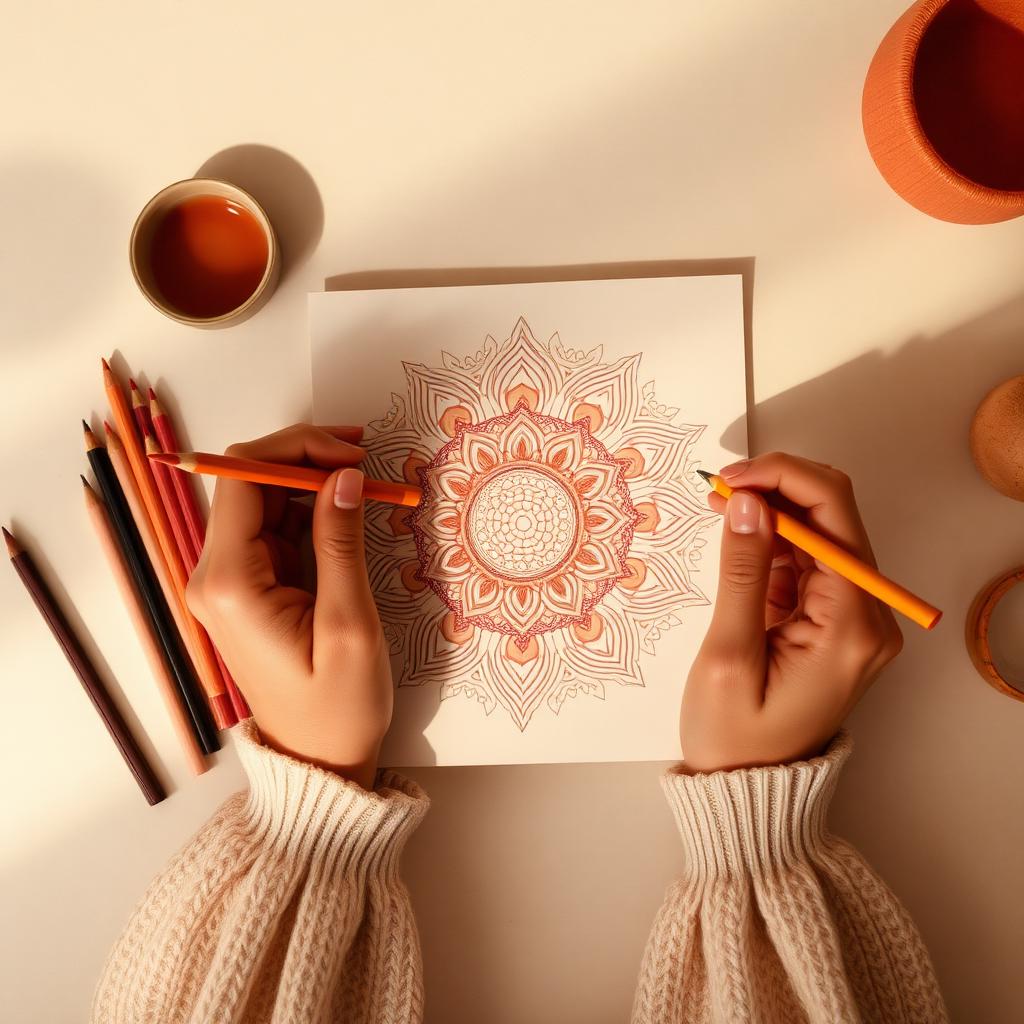
Colour therapy for anxiety: a beginner's guide for a calmer summer
Summer in Barrie brings warm evenings, lakeside breezes and a chance to slow down. If anxiety has you reaching for your phone or feeling like life is rushing past the warm glow of sunset, colour therapy and mindful colouring offer a simple, screen-free way to anchor yourself. This beginner's guide is written for adults who want stress relief, creativity and practical tools they can use at home, in a park by Lake Simcoe, or on a cottage porch in Simcoe County.
Below you will find compassionate, practical steps: why colour matters, basic materials, simple exercises, palette suggestions for anxiety, and ways to build a sustainable summer practice. At the end are quick FAQs and local ideas to make this practice part of your Barrie summer.
Why colour therapy helps with anxiety
Anxiety often creates a racing mind, tight muscles and a sense of being overwhelmed. Colour therapy, also called chromotherapy in some traditions, uses colour intentionally to support mood and focus. For our purposes, colour therapy means:
- Choosing colours and colouring activities that support relaxation and emotional regulation
- Using repetitive, gentle motion to activate a calm, meditative state
- Redirecting attention from anxious thoughts to sensory, creative experience
Scientific research on colour impact varies, but many people report meaningful mood shifts when they work with colour mindfully. The combination of focused attention, tactile input, and creative choice produces benefits similar to other mindfulness practices. For adults who prefer screen-free relaxation, colouring is an accessible, low-pressure option.
Getting started: materials and mindset
You do not need expensive supplies to begin. Start simple and build a kit that feels inviting.
Basic kit for beginners
- A small stack of quality colouring pages or a beginner adult colouring book — floral, nature scenes, or abstract patterns work well
- A set of coloured pencils or water-soluble pencils (12 to 24 colours to begin)
- A pencil sharpener and eraser
- A comfortable chair, small table or lap desk
- A timer (phone set to do-not-disturb, or a kitchen timer to keep sessions screen-free)
If you prefer richer colour and less precision, try markers or gel pens. For a calming summer experience outdoors, bring a clipboard to support your page.
Mindset for beginners
- Aim for curiosity, not perfection. Colouring is about process, not producing a perfect image.
- Accept that mind-wandering is normal. Gently return to colour, breath or the pattern each time you notice your thoughts drifting.
- Keep sessions short to start — 10 to 20 minutes is ideal for building habit without forcing relaxation.
Quick colour-therapy exercises for anxiety
These brief exercises can be done anywhere — on a patio, in a garden, or at a picnic table near the shore. Each is designed to shift attention gently and anchor the body in the present.
1) The three-colour anchor (5–10 minutes)
- Choose three colours that feel soothing to you — for many people these are soft blues, gentle greens and warm neutrals.
- Colour a small section of your page or a mandala using only those three colours.
- Breathe slowly: inhale for 4 counts, hold 1–2 counts, exhale for 6 counts as you move the pencil.
- Focus on the sensation of pencil on paper and the blending of tones.
Why it helps: Limiting choices reduces decision fatigue and gives the mind a simple sensory focus.
2) Breath-colour sync (10–15 minutes)
- Pick a colour to match your exhale — imagine the colour washing tension away as you breathe out.
- On each exhale, add a small stroke or dot with that colour.
- Continue until you feel calmer or until your chosen time ends.
Why it helps: Syncing breath and movement increases parasympathetic activity and lowers arousal.
3) The summer-scented session (15–20 minutes)
- Bring a small jar of lavender or fresh mint to your colouring spot. Light scent supports relaxation.
- Colour a nature-themed page — leaves, waves, sun motifs — using a summer palette (teal, lemon, coral, sand).
- Take short pauses to inhale the scent and notice changes in your body.
Why it helps: Multi-sensory cues anchor memory and deepen relaxation.
Palette choices that calm anxiety
Colour preference is personal, but some palettes are reliably soothing:
- Coastal Calm: soft teal, seafoam green, sandy beige — evokes Lake Simcoe and Barrie beaches.
- Meadow Quiet: muted sage, warm taupe, pale yellow — gentle, natural tones for grounding.
- Cloud Soft: pale blue, lavender, dove grey — cool tones that encourage slowing.
Try a few palettes and notice which one reduces your heart rate or helps your breathing. Keep a small sample swatch beside each page so you can return to it easily.
Techniques to deepen the practice
As you get comfortable, try these techniques to deepen mindfulness and emotional benefit.
Progressive focus colouring
- Start with wide, simple sections and gradually move into smaller, more detailed areas.
- Spend at least a few minutes on each stage, paying attention to sensations and small successes.
Benefit: This mirrors progressive muscle relaxation by moving from gross to fine attention.
Colour journaling
- After a session, write one or two short sentences about how you feel and which colours felt helpful.
- Keep entries brief — a simple mood word and a colour note are enough.
Benefit: Building a log trains you to notice patterns and choose effective colours for future sessions.
Group colouring and social connection
- Invite a neighbour, friend or family member for a screen-free colouring picnic in a Barrie park or on a cottage lawn.
- Share palettes, swap pencils and talk about your favourite summer memories while colouring.
Benefit: Social connection amplifies the mood benefits of creative activity and reduces isolation.
When to use colouring during your day
- Morning: a 10-minute session outdoors can set a calm tone for the day.
- Midday break: colouring on a patio bench after lunch helps reset stress levels.
- Evening wind-down: a gentle, low-light palette session before bed supports sleep.
Keep sessions short and regular rather than rare and long. Habit wins over intensity.
Screen-free summer routines in Barrie and Simcoe County
Tailor your colouring practice to local summer rhythms:
- Early-morning lake view: take your kit to the waterfront and colour while listening to lapping water.
- After a hike at Arboretum or Snow Valley: unwind by colouring natural motifs and noticing your breathing.
- Cottage afternoons: set aside 20 minutes on the porch for a shared coloured-pencil session with family.
These seasonal rituals make the practice feel like a natural part of a Barrie summer rather than an obligation.
Choosing colouring books and pages for anxiety
Look for books or pages with these features:
- Repetitive patterns (mandalas, geometric designs) for meditative colouring
- Nature scenes (leaves, waves, florals) for grounding imagery
- Varied complexity so you can choose simple or detailed depending on your mood
You might prefer single-sheet designs you can rotate. Keep a folder of favourite pages for easy access.
Tips for adults who think they’re not creative
Colouring is forgiving and inclusive. If you tell yourself you are not creative, try these approach shifts:
- Think of colouring as a skill you can practice, not a talent you either have or lack.
- Focus on the sensory experience — the feel of pencil, the look of colour — rather than the outcome.
- Use gentle prompts like "colour an area using three shades of green" to reduce choices and pressure.
You do not need to produce framed art — you only need to feel a little calmer.
Safety and when to seek help
Colouring can reduce mild to moderate anxiety for many people, but it is not a replacement for professional care. Seek professional help if you experience:
- Persistent panic attacks
- Thoughts of harming yourself or others
- Severe disruption to daily life (work, relationships, basic self-care)
If you are already in therapy, colouring can be a complementary self-care habit to discuss with your clinician.
Bringing colour therapy into longer-term self-care
- Schedule regular, short colouring sessions and treat them as non-negotiable mini-breaks.
- Combine colouring with other healthy summer habits: evening walks, hydration, and early sunsets on the lake.
- Use your colour journal to build a palette toolkit for different moods — calming blues for tense days, warm corals for low energy.
Over time you will learn which colours and formats consistently help you regulate mood.
Quick checklist to start today
- Choose one calming colouring page and three pencils.
- Set a timer for 10 minutes and put your phone on do-not-disturb.
- Sit somewhere pleasant — a sunny patio, lakeside bench, or your kitchen table.
- Breathe slowly and colour without judging the result.
If you like the experience, consider visiting our shop for curated kits designed for adult beginners or explore more ideas on our blog.
Final thoughts: a gentle invitation
Colour therapy is not a cure-all, but it is a gentle, accessible tool you can use this summer to create screen-free pockets of calm. Whether you live in Barrie, spend weekends in Simcoe County, or are visiting a nearby cottage, these simple practices can help you build a small daily ritual that quiets the mind and restores perspective.
Begin with short sessions, choose colours that feel like an embrace, and remember that the point is to feel more present and less hurried. Colouring invites you to return to your senses — feel the pencil, notice the colour, breathe with intention — and that single shift can be a powerful antidote to anxiety.
If you want a ready-made start, browse calming palettes and beginner kits in our shop or read more summer creativity ideas on our blog. Enjoy a calm, colourful summer in Barrie.