Colour Therapy for Anxiety: A Beginner's Guide to Summer Calm
Zen Colour Art··8 min read

Colour therapy for anxiety: a beginner's guide (summer edition)
Summer light, the rhythm of waves on Kempenfelt Bay, and the gentle hum of life in Barrie make this a great season to try colour therapy. If you're an adult looking for screen-free creativity, anxiety relief, and simple mindfulness, this guide gives you clear steps, science-backed ideas, and local suggestions for a calm summer.
Colour therapy — sometimes called chromotherapy or colour meditation — uses colouring, drawing, or focused attention on colour to shift mood and reduce stress. You don't need to be an artist. You only need curiosity, a few supplies, and 10–30 minutes to start. This guide covers what to expect, how to choose colours, short routines, and ways to make it part of your Barrie or Simcoe County summer self-care.
Why colour therapy helps with anxiety
- Colour engages the visual system and can interrupt worry loops by giving your attention a concrete, sensory target.
- Slow, repetitive motion (like colouring) activates the parasympathetic nervous system, lowering heart rate and breathing.
- Combining colour with deep breathing and mindful focus fosters present-moment awareness — a core skill for anxiety management.
Researchers studying art-based therapies report reduced anxiety and improved mood after colouring and similar practices. While colour therapy is complementary (not a substitute for professional treatment), it's an accessible tool you can use anywhere, including at home, in a Barrie park, or between meetings.
Beginner essentials: what you need
You don't need fancy materials. Start with a few reliable supplies:
- A small set of coloured pencils or markers (12–24 colours).
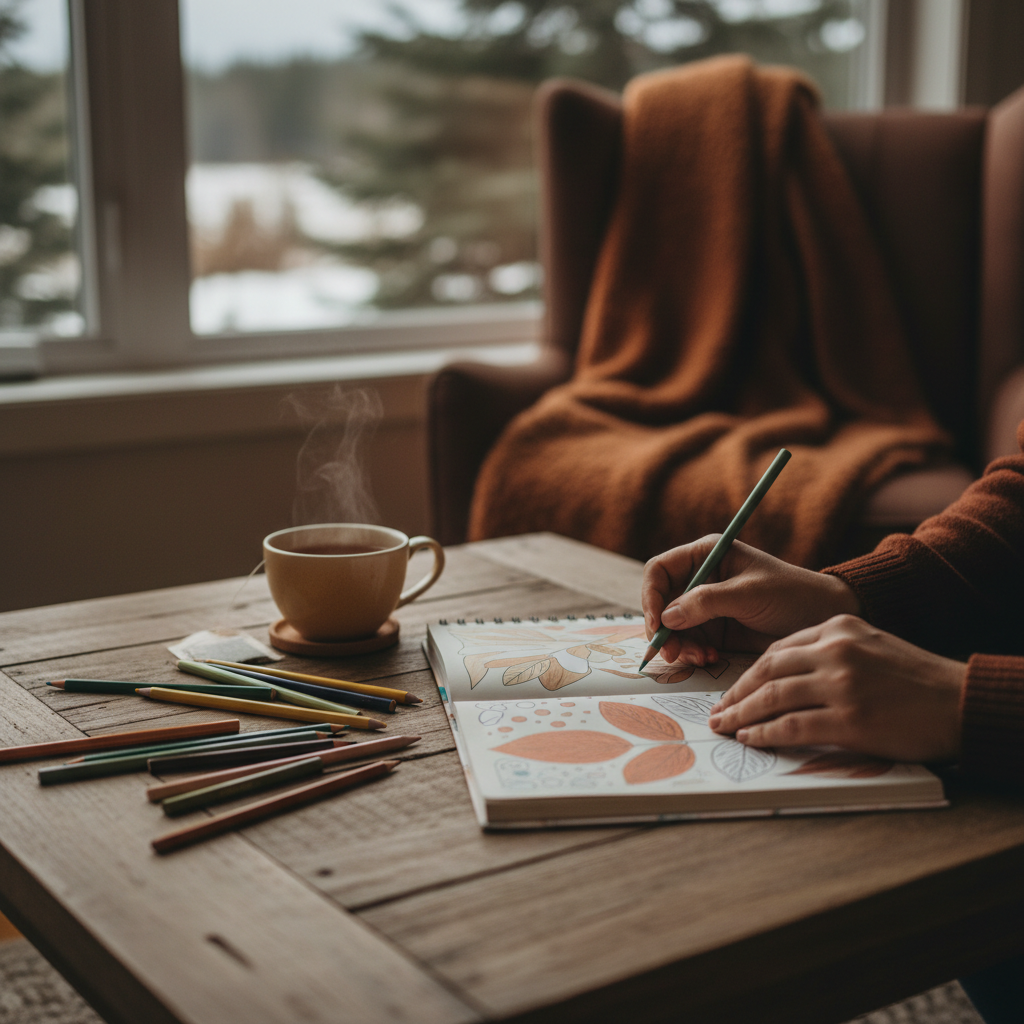
- A comfortable sketchbook or an adult colouring book; choose one with medium-weight paper so ink doesn't bleed through.
- A quiet corner, a picnic blanket by the waterfront, or a shady bench at Arboretum Park.
- A timer for short, focused sessions (10 or 20 minutes).
Recommended extras:
- A small tray or pencil roll to keep tools tidy.
- Soft instrumental music or guided breathing if it helps ground you.
- A thermos of iced tea during summer colouring outdoors in Barrie.
Tip: If you want curated colouring pages and summer-themed designs, check our shop. For more reading and inspiration, see our blog.
Quick start: a 10-minute colour therapy routine
This micro-practice fits into busy days and is ideal when anxiety spikes.
- Sit comfortably and set a timer for 10 minutes.
- Take three slow breaths: inhale for 4, hold 2, exhale for 6.
- Choose one colour that feels soothing — soft blues, greens, or gentle lavenders are common choices for anxiety.
- Start colouring a small shape or pattern slowly, paying attention to the pencil's pressure, the sound, and the movement.
- If your mind wanders, gently bring it back to the colour and the motion — no judgment.
- When the timer ends, take one deep breath and notice any shift in tension.
This short routine is effective because it combines focused attention, sensory engagement, and rhythmic motion — three pillars of calming practices.
Choosing colours for anxiety: simple guidance
There is no single "right" colour. Personal associations matter. Still, these general tendencies can help you choose:
- Calming colours: soft blues, teal, sea-green, and muted lavenders. These often evoke water, sky, and relaxation.
- Grounding colours: warm beige, soft browns, and mossy greens help reconnect you to the body and earth.
- Energizing colours: bright yellow, coral, magenta — useful if anxiety leaves you lethargic, but avoid too-intense hues when you're jittery.
- Balance palettes: combine a cool base (blue/green) with a small warm accent (peach/yellow) for stability and gentle lift.
Experiment with palettes. Keep a 'calm swatch' page in your sketchbook and add colours you notice help you breathe easier.
How to structure a longer session (20–45 minutes)
Longer sessions let you deepen focus and practice mindfulness alongside creativity.
- Opening (3–5 minutes): Sit, breathe, and set an intention (e.g., "to rest" or "to notice").
- Colour exploration (10–20 minutes): Fill a larger area or a detailed page slowly. Name the colours silently as you use them.
- Reflective pause (2–5 minutes): Close the book, breathe, and note physical changes — shoulders, jaw, breath.
- Journaling (5–10 minutes): Write 2–5 sentences about how you feel.
Keeping a short log helps track which colours and routines work best for your anxiety.
Mindful prompts to use while colouring
Use these prompts to build present-moment awareness:
- "Where do I feel tension? Breathe into it."
- "What shade am I choosing and why?"
- "Name three things you can hear right now." (Especially helpful outdoors in Barrie: birds, leaves, distant water.)
- "Breathe in for 4, out for 6. Colour the next shape while counting aloud."
Prompts help shift ruminative thinking into sensory noticing.
Colour therapy outdoors in Barrie (summer ideas)
Summer in Barrie offers many beautiful, low-cost spaces for outdoor colour therapy:
- Kempenfelt Bay waterfront: set up a chair or blanket at sunset for blue-green palettes inspired by the water.
- Sunnidale Park or Arboretum: shade, birdsong, and natural greens are perfect for grounding sessions.
- Local cafés with patios: short 10–20 minute sessions between errands or during breaks.
Outdoor colouring adds natural light, fresh air, and seasonal cues that naturally soothe anxiety. Bring a small clipboard if you prefer a firm surface.
Combining breathing, body scans, and colour
Colour therapy is more effective when paired with simple body awareness:
- Begin with a 1–2 minute body scan: notice feet, legs, torso, shoulders, face. Release tension intentionally.
- Colour slowly, applying gentle pressure. Match colour choice to body sensations: cool colours for neck/shoulder tension, grounding browns for legs/feet if you feel disconnected.
- End with three full belly breaths and a simple stretch.
These small additions help the nervous system shift from activation to rest.
Practical tips: pacing, perfectionism, and supplies
- Let go of perfection: the goal is calm, not a perfect page.
- Keep sessions brief at first — consistency beats duration.
- Choose non-toxic pencils and water-based markers for ventilation-free outdoor use.
- Have a small pencil sharpener and an eraser handy.
- Use a palette routine: pick 5–7 colours per session to reduce decision fatigue.
If you struggle with where to start, try a Zen-inspired mandala page. Repetitive circular forms are especially soothing.
How to measure if it’s working
Signs colour therapy is helping:
- Short-term reduction in heart rate or breath quickness.
- Decreased jaw clenching or loosened shoulders.
- A calmer mind or fewer intrusive thoughts during the session.
- Better sleep or lower overall stress when practiced regularly.
Keep expectations realistic — many people notice small immediate shifts and larger changes over weeks of practice.
When to use colour therapy and when to seek professional help
Use colour therapy for:
- Everyday stress and mild-to-moderate anxiety spikes.
- Quick grounding between tasks or before sleep.
- A gentle complement to therapy or medication.
Seek professional help if:
- Anxiety interferes with work, relationships, or daily functioning.
- You experience panic attacks, severe depressive symptoms, or suicidal thoughts.
Colour therapy is supportive, not a replacement for mental health care. If you're unsure, talk to a mental health professional in Barrie or Simcoe County for guidance.
Joining community and summer workshops in Barrie
Being around others while colouring can be calming and motivating. Look for:
- Local craft nights and outdoor creativity meetups at Barrie libraries or the waterfront.
- Mindfulness or art therapy workshops at community centres in Simcoe County.
- Pop-up sessions hosted by small businesses (search local event listings or ask at cafés).
If you want ready-made, seasonal colouring pages and calming kits, visit our shop. For more articles about mindfulness and colouring, explore our blog.
Incorporating colour therapy into daily life
Small habits make a difference. Try these easy ways to keep colour therapy around you:
- Start your day with a 5-minute colour swatch page and a breathing exercise.
- Keep a pocket-sized coloring pad in your bag for short outdoor sessions.
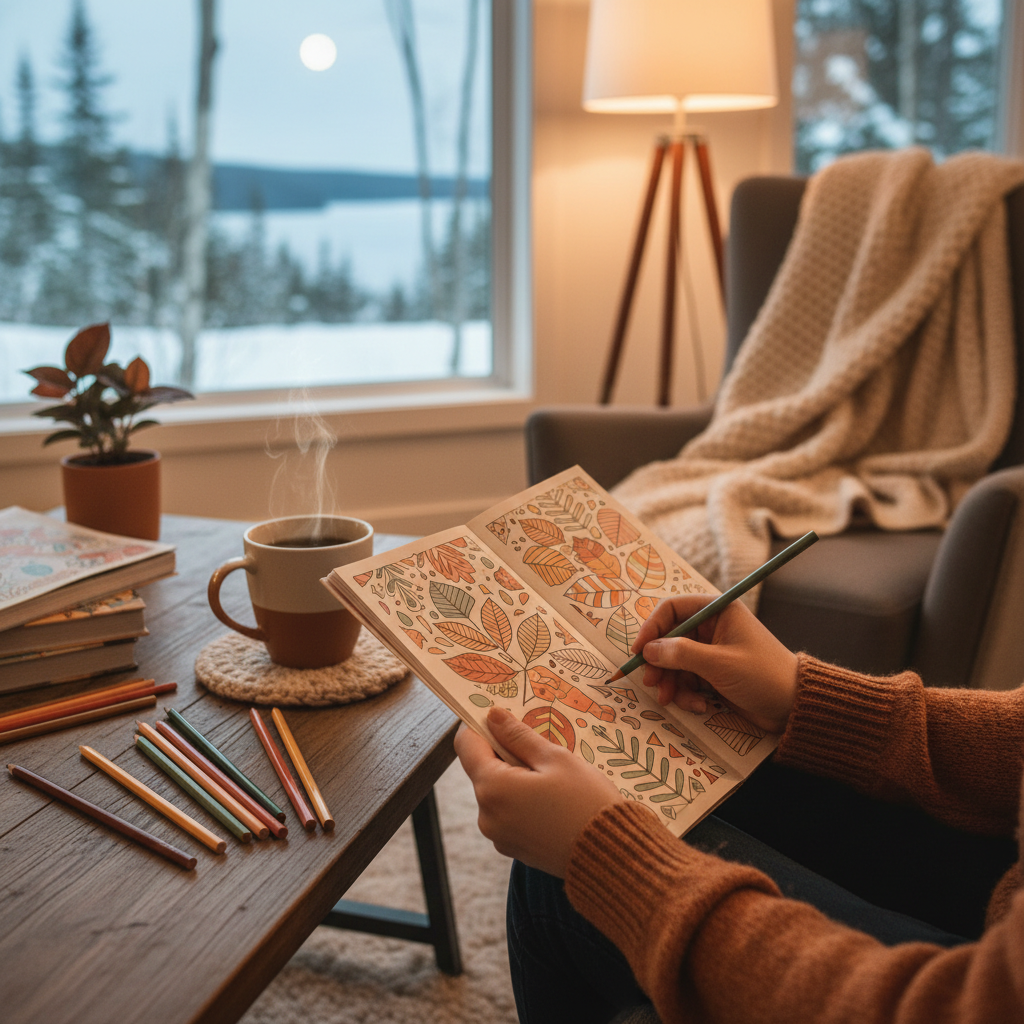
- Create a summer calm corner at home with a plant, a small stack of pages, and a tin of pencils.
- Swap screen time for natural-colour time: colour for 15 minutes before bed instead of scrolling.
Consistency — not perfection — builds the calming benefits.
Quick troubleshooting: common beginner questions
- "I can't colour neatly." That's fine. Slow, imperfect strokes affect the nervous system the same way.
- "I get bored." Try changing palette, switching to a different pattern, or colouring outside for new sensory input.
- "I don't feel better right away." Keep sessions short and regular. Small changes compound over time.
Bringing summer memories into your palette
Use local summer cues for inspiration. Try a 'Barrie summer' palette:
- Kempenfelt blue, lakeshore teal, sunlit sand beige, maple leaf green, sunset coral.
Colouring with personally meaningful palettes can strengthen the calming association.
Final notes: gentle practice, adaptable method
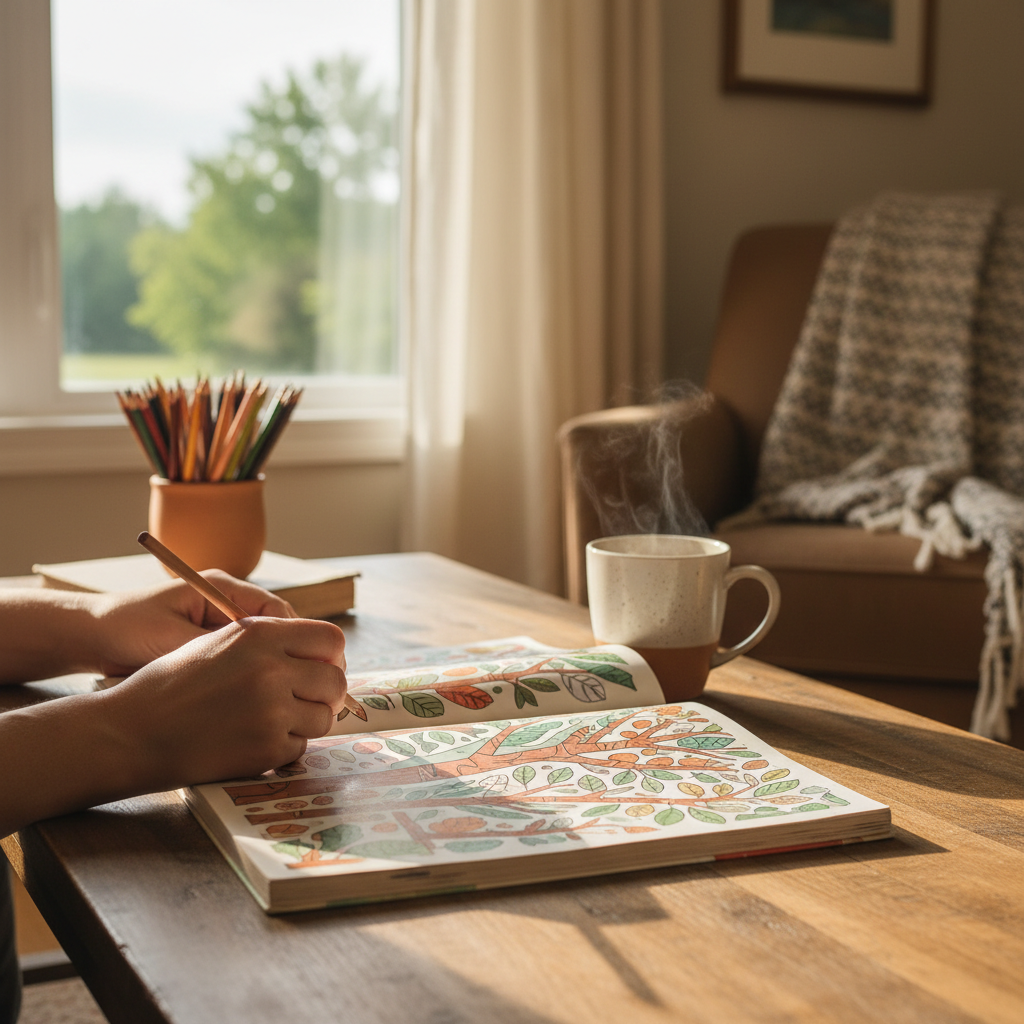
Colour therapy is flexible. The key is purposeful attention paired with sensory engagement. Whether you sit by Kempenfelt Bay at dusk or in your kitchen with a glass of iced tea, these simple steps can help you create a peaceful, screen-free habit this summer.
If you're ready to start, pick a page, a small set of pencils, and try the 10-minute routine today. For curated pages and seasonal kits, browse our shop. For other guides and creative ideas, head to our blog.
FAQ
What is colour therapy and does it really help anxiety?
Colour therapy uses focused attention on colour through colouring, choosing palettes, or visual exercises to calm the mind. Scientific studies on art-based therapies show reductions in anxiety and stress; personal results vary, but many adults find it a helpful complementary tool.
How often should I practice colour therapy to see benefits?
Start with short daily sessions (5–15 minutes) or three 10-minute sessions per week. Consistency is more important than length. Many people notice small changes within 1–4 weeks.
Which colours reduce anxiety the most?
Soft blues, greens, and muted lavenders are commonly soothing. Grounding colours like warm browns and soft beiges help with stability. Personal associations matter — use what calms you.
Can I do colour therapy outdoors in Barrie during summer?
Yes. Barrie has many great outdoor spots like Kempenfelt Bay, Arboretum Park, and Sunnidale Park. Bring a small clipboard, sunscreen, and water.
Is colouring a substitute for therapy or medication?
No. Colour therapy is a complementary technique. If anxiety is severe or persistent, consult a mental health professional in Barrie or Simcoe County.
What supplies should a beginner buy?
Start with a small set of coloured pencils or markers, a sketchbook or adult colouring book, and a pencil sharpener. For curated kits, visit our shop.
How do I stay consistent without making it a chore?
Keep sessions short, enjoyable, and flexible. Pair colouring with a pleasant ritual (tea, music, sunset walks) and set reminders for gentle consistency.