How Adult Colouring Calms an Overstimulated Nervous System This Summer
Zen Colour Art··8 min read
How adult colouring calms an overstimulated nervous system — a summer guide
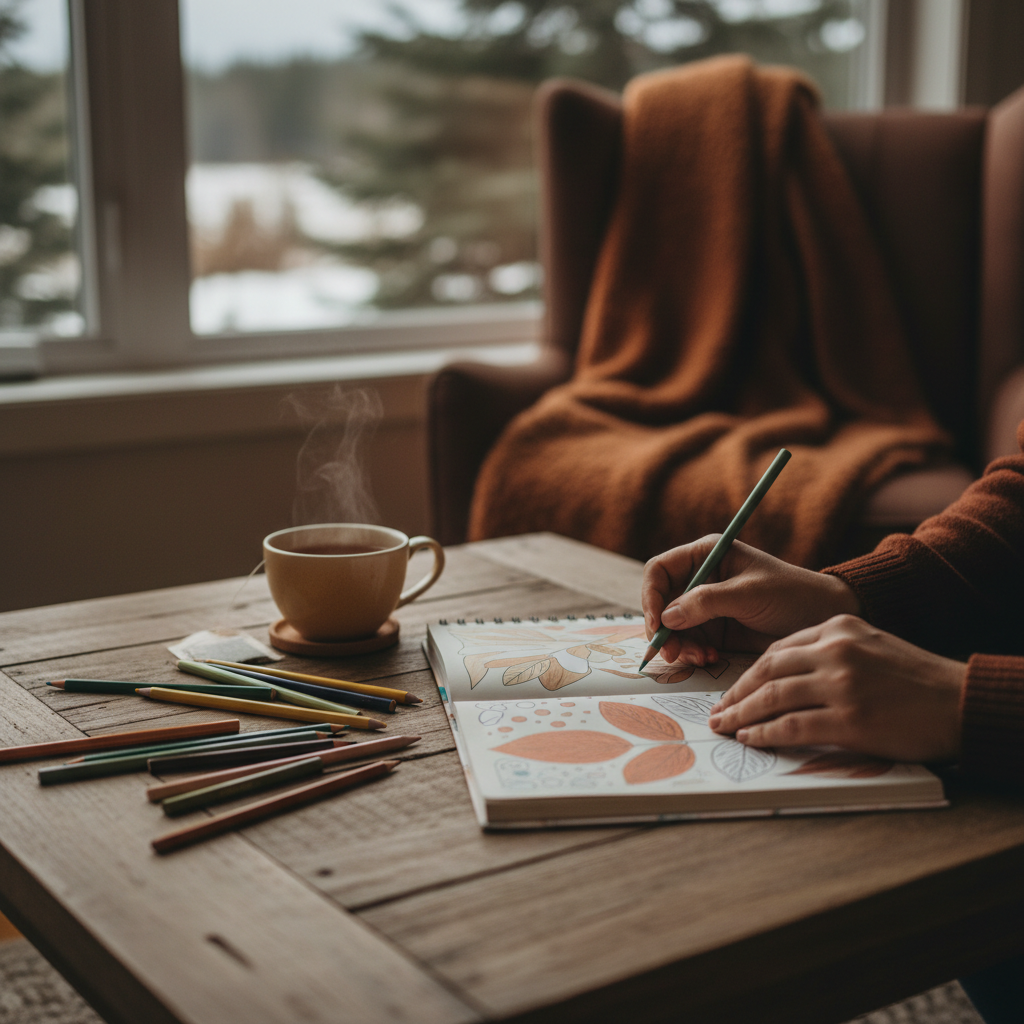
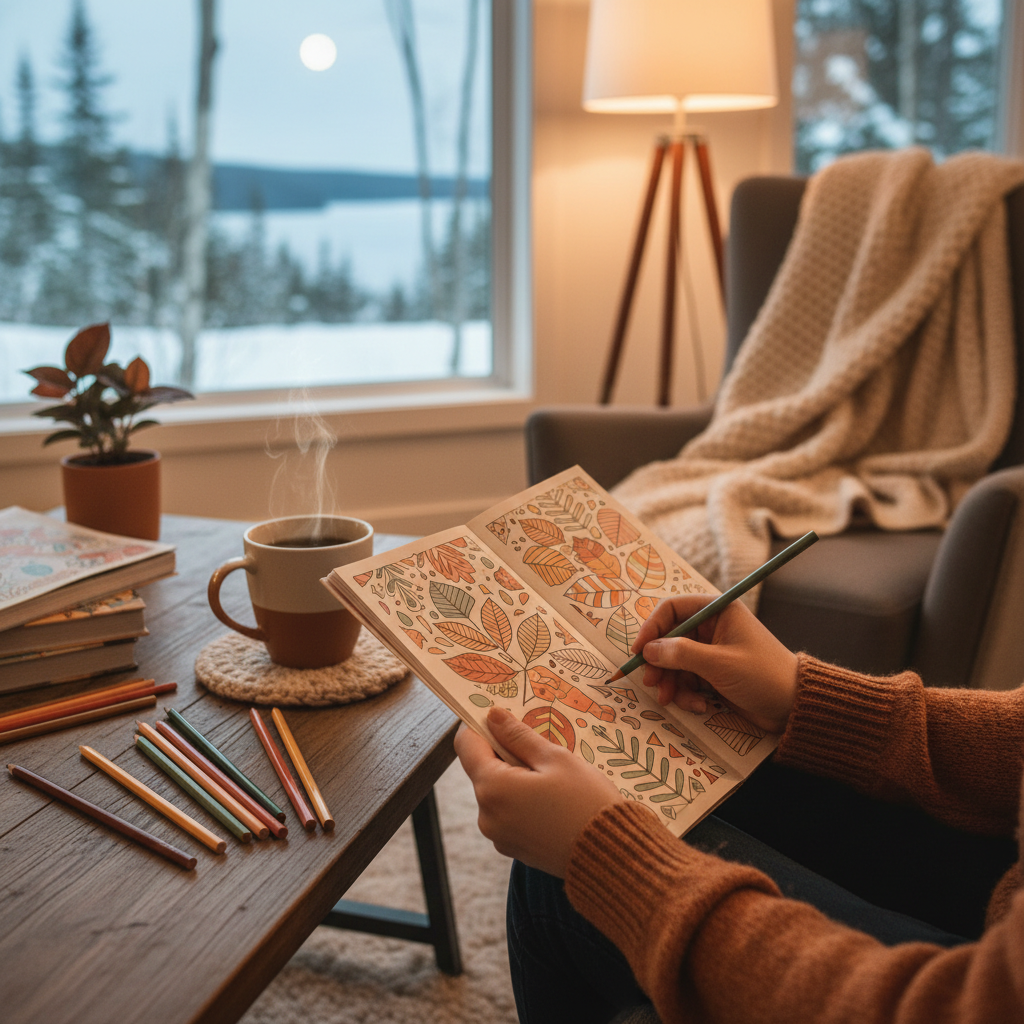
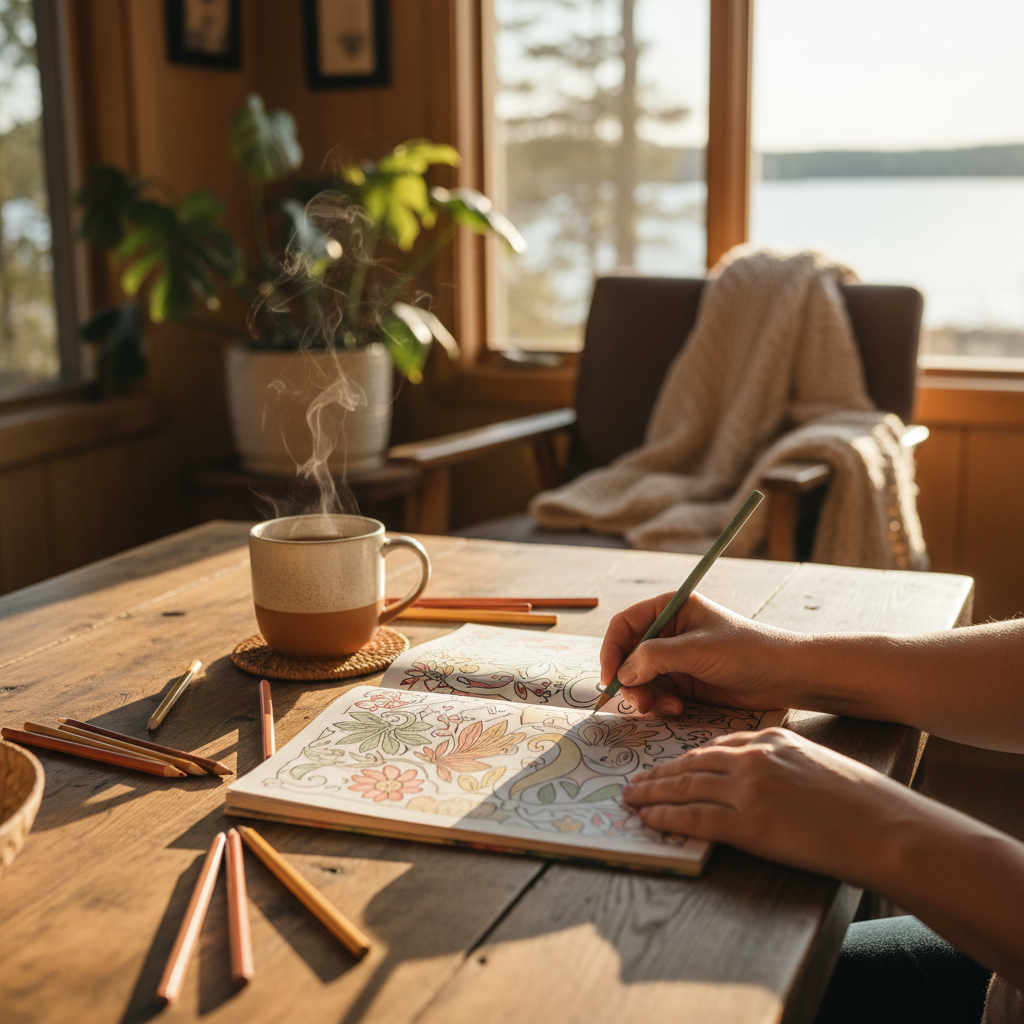
You put your phone face down, step outside, and the evening air over Kempenfelt Bay feels warmer and somehow softer. The noise of notifications fades. Your palms hold coloured pencils instead of your device. That small, deliberate action begins to steady your breathing. Welcome to the world of adult colouring as a balm for an overstimulated nervous system.
This article is for adults craving stress relief, screen-free creativity, and a mindful summer habit. If you live in Barrie or anywhere across Simcoe County, these ideas are built to fit your days — whether you’re at a picnic near Heritage Park, unwinding after a walk in the Ardagh Bluffs, or carving out quiet time on a shaded deck.
Quick takeaway — why colouring helps right now
- It activates focus without pressure.
- It shifts you from sympathetic (fight-or-flight) to parasympathetic (rest-and-digest) states.
- It’s screen-free, sensory, and accessible anywhere — great for summer routines.
Read on for the science, simple practices, and local tips to turn colouring into a restorative summer ritual.
What it feels like when your nervous system is overstimulated
You know the signs: racing thoughts, irritation, fragmented sleep, and an urge to escape into screens. The body feels keyed up even when nothing urgent is happening.
Overstimulation often comes from:
- Constant digital input and social media.
- Busy schedules, caregiving, or work stress.
- Lack of restful boundaries between activity and rest.
When this happens, the nervous system can default to hyperarousal — a state where it’s hard to relax, even in calm settings. Colouring offers a gentle, non-demanding way to interrupt that loop.
The science: how colouring affects the nervous system
Adult colouring taps into cognitive and sensory pathways that promote relaxation. Here’s how it works:
- Focused attention: Colouring requires steady visual focus and hand-eye coordination. That focused attention can act like a form of meditation, narrowing the mind’s chatter.
- Rhythmic motion: Repetitive coloring strokes provide a rhythmic input to the nervous system, which is calming and grounding.
- Sensory engagement: The tactile feeling of paper, the soft sound of pencil on page, and the vivid colours engage senses in a balanced way — not overwhelming but satisfying.
- Sense of completion: Filling a page or a mandala gives a small, achievable sense of accomplishment, which can release dopamine in modest, healthy doses.
Researchers note that these elements together resemble mindfulness practices. While colouring is not a replacement for therapy, it’s a practical, low-barrier tool to help regulate your state in everyday life.
Summer-specific reasons to start colouring now
Summer has its own kind of stimulation: longer days, more plans, travel, and sensory overload (heat, crowded patios, busy weekends). But summer also invites outdoor calm. Colouring is ideal for this season because:
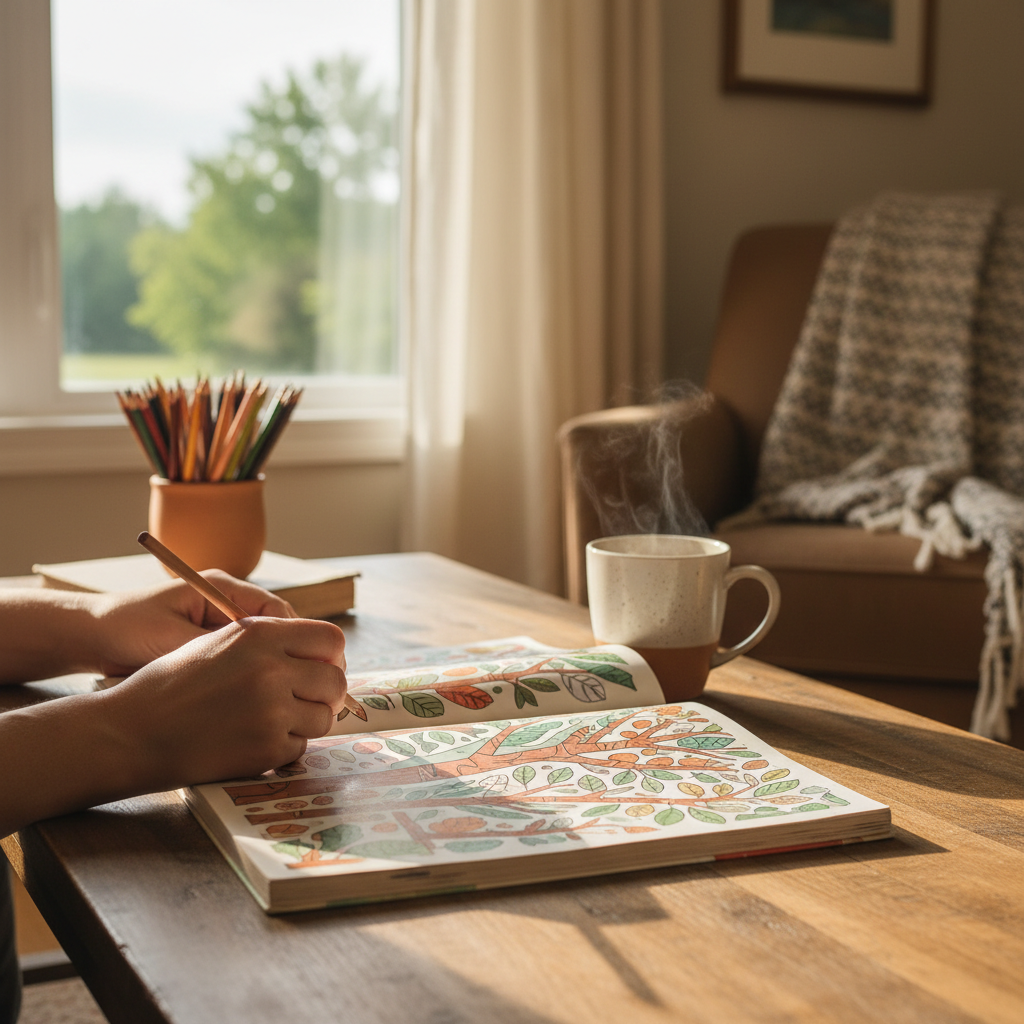
- It’s portable: Bring a colouring book and pencils to a lakeside bench or a sunny patio.
- It complements daylight: Colour looks different in natural light, which can make the experience richer.
- It fits into social summer routines: Spread a blanket at a family gathering and colour together — soothing and social.
- It’s screen-free: Summer is prime time to reduce blue light exposure and ease sleep.
If you live in Barrie or Simcoe County, imagine colouring while watching the late light over Kempenfelt Bay or after a walk at Sunnidale Park. The combination of fresh air and a mindful creative practice can be powerful.
How to use colouring as a nervous-system reset (a simple routine)
Here’s a short routine you can do in 10–30 minutes. It’s designed to be accessible for busy adults and mindful enough to shift your nervous system.
- Choose a comfortable spot. Sit near a window, on a porch, or under a tree by the beach.
- Set a gentle intention. Say quietly: “I’m giving myself 15 minutes to breathe and create.”
- Start with breath. Take three slow, full breaths to settle in.
- Pick one colour to start. Resist the urge to plan the whole page. Begin.
- Colour in 10–20 minute blocks. Focus on the sensation of the pencil, the movement of your hand.
- Close with a reflection. Notice how your shoulders feel, how your thoughts shifted.
This simple sequence invites your nervous system to move from high-alert to a calmer, more regulated state.
Choosing supplies that soothe — low-cost, portable options
You don’t need a studio. Start with things that feel good in your hands.
- Pencils: Soft-coloured pencils with good pigment. Try a 24-colour set.
- Pens: Fineliners for intricate work; gel pens for vivid accents.
- Paper/Books: Thick paper helps reduce bleed-through and gives satisfying resistance.
- Extras: A small sharpener, a kneaded eraser, a portable case.
At Zen Colour Art in Barrie, we curate adult-friendly designs and quality paper that are perfect for summer outings. Browse our selection at shop to find portable kits for lakeside colouring.
Types of colouring to match your mood
Different page styles can support different nervous-system needs:
- Mandalas and radial patterns: Great for centring and meditative focus.
- Nature scenes: Soothing imagery that keeps your mind in calm, scenic spaces.
- Geometric patterns: Engaging for those who like structure and rhythm.
- Loose, expressive pages: For emotional release and less precision.
Try a rotation: one meditative page, one expressive page, one social colouring session with friends or family.
Using colour intentionally — more than pretty pictures
Colour can influence mood. You don’t need to be an artist to use colour with purpose.
- Cool colours (blues, greens): Calming, grounding, helps slow breathing.
- Warm colours (oranges, yellows): Energizing and optimistic—use them for gentle uplift.
- Earth tones: Comforting and stabilizing.
If your nervous system feels tense, start with cool colours and introduce a warm accent as you relax.
Turn colouring into a mindful ritual — sensory cues that help
Rituals cue the nervous system that it’s safe to relax. Try pairing colouring with simple sensory anchors:
- A favourite tea or iced beverage in summer: chamomile iced tea, lemon balm spritz.
- A minimal playlist: nature sounds, soft acoustic, or silence.
- A tactile mat or light scarf: something familiar you bring to each session.
Create a small “colouring kit” to keep in your car or tote. When you notice tension, you can step outside and use the kit as a fast, calming reset.
Social colouring — calm together
You might assume colouring is solitary. It can be social and restorative too.
- Book a colouring date with a friend by the waterfront in Barrie.
- Host a low-key summer gathering where people colour and chat quietly.
- Join a community workshop in Simcoe County; many local libraries and wellness groups run sessions.
The presence of others, without pressure to perform, amplifies the safety signals your nervous system receives.
Practical tips for busy adults who want screen-free creativity
- Start small: 10 minutes a day beats a long, rare session.
- Keep supplies ready in visible places: bedside table, backpack, or picnic basket.
- Use a timer: 12–20 minutes is a sweet spot for calming effects.
- Avoid perfectionism: the goal is regulation, not Instagram-ready pages.
- Combine with movement: a short walk then colouring enhances the calming effect.
Real stories: how colouring helped me and others in Barrie
On humid summer evenings, I often head to a lakeside bench with a small pad and pencils. One week after a string of restless nights, I coloured for 15 minutes and slept more deeply that night. It wasn’t dramatic. It was steadying.
A friend in downtown Barrie began a nightly colouring habit after screen overload from work. She said those 15 minutes on the back deck became “a little pause button” between an intense day and bedtime. People across Simcoe County tell similar stories: simple, repeatable acts that signal safety to an overstimulated nervous system.
When colouring is not enough — layering practices
Colouring is a useful tool, but it’s not a cure-all. If stress persists, consider adding other supports:
- Grounding movement: gentle walking, yoga, or slow stretching.
- Sleep hygiene: cool room, limited screens before bed, consistent schedule.
- Therapy or counselling: for deeper or persistent anxiety.
- Social support: community groups, friends, or family.
Think of colouring as one essential piece of a wider self-care toolkit.
Mindful prompts to guide your colouring session
If you want something to think about (or not think about), try these prompts:
- “Where do I feel tension right now?” Colour that area of the page intentionally.
- “Name three things I can hear.” Match colours to sounds.
- “What colour would calm me as a hug?” Use that colour.
Prompts can anchor attention without demanding performance.
Bringing colouring into your Barrie summer plans
- Lakeside calm: Pack a small kit and colour while watching sunset at Centennial Beach.
- Weekend markets: Colour in a shaded spot after browsing downtown Barrie vendors.
- Family time: Lay out a few pages at a park picnic; kids and adults can create together.
- Solo retreats: Combine a morning colouring session with a local café and a walk along the waterfront.
Small integrations like these make the practice sustainable.
How to measure the benefits — simple signs to watch for
Noticeable changes can be subtle and gradual. Look for:
- Fewer racing thoughts before bed.
- Shorter recovery time after a stressful interaction.
- More consistent breathing rhythm during the day.
- A small increase in moments of calm between tasks.
If these signs appear, your nervous system is likely finding more balance.
Tips for buying an adult-colouring kit that supports calm
- Look for medium-weight paper (around 120gsm) for a pleasant tactile feel.
- Choose books with varied designs: mandalas, nature, and abstract patterns.
- Opt for non-toxic pencils and pigments, especially if you enjoy outdoor sessions.
- If local, support Barrie shops or Simcoe County makers — they often curate peaceful, locally inspired designs.
Explore mindful sets at our online shop: shop. For inspiration and seasonal ideas, check our articles at blog.
Final thoughts: make summer a season for gentle reset
Adult colouring isn’t complicated or elite. It’s a low-cost, accessible practice that helps re-regulate an overstimulated nervous system—especially useful in the sensory-rich season of summer. Whether you’re a busy parent, a frontline worker, or someone longing for calmer evenings in Barrie and Simcoe County, colouring offers a simple ritual: hands busy, mind softer, breath steadier.
Start with ten minutes tonight. Bring your kit to a lakeside bench at sunset. Share a page with a friend. Notice what shifts. Over time, those small moments add up.
If you want ready-made, travel-friendly kits designed for adults, visit shop to see summer picks and curated bundles. To read more about mindful colouring, patterns, and local workshops, visit blog.
A gentle invitation
You don’t have to be perfect at colouring. You don’t have to finish a page. You only need to give your nervous system permission to rest in small, beautiful ways. This summer, let colour be one of the kindest things you do for yourself.
FAQ
How long does it take for colouring to calm my nervous system?
Short sessions of 10–20 minutes can produce immediate calming effects. Regular practice (daily or several times a week) builds more lasting regulation over weeks.
Is any type of colouring book better for relaxation?
Mandalas and nature scenes are especially calming. Choose patterns that feel inviting, not stressful. The best book is the one you enjoy.
Can colouring replace meditation or therapy?
Colouring complements meditation and therapy but is not a replacement. It’s a supportive tool for everyday regulation and stress relief.
Is colouring good for sleep if I do it before bed?
Yes. Screen-free colouring before bed can reduce blue light exposure and quiet racing thoughts, improving sleep onset for many people.
Where can I colour outdoors around Barrie?
Great spots include Centennial Beach, Kempenfelt Bay waterfront, Heritage Park, and Sunnidale Park. Grab a portable kit and find a shady bench.