Mindful Colouring for Beginners: A Simple Starting Routine
Nicholas Lynn··5 min read

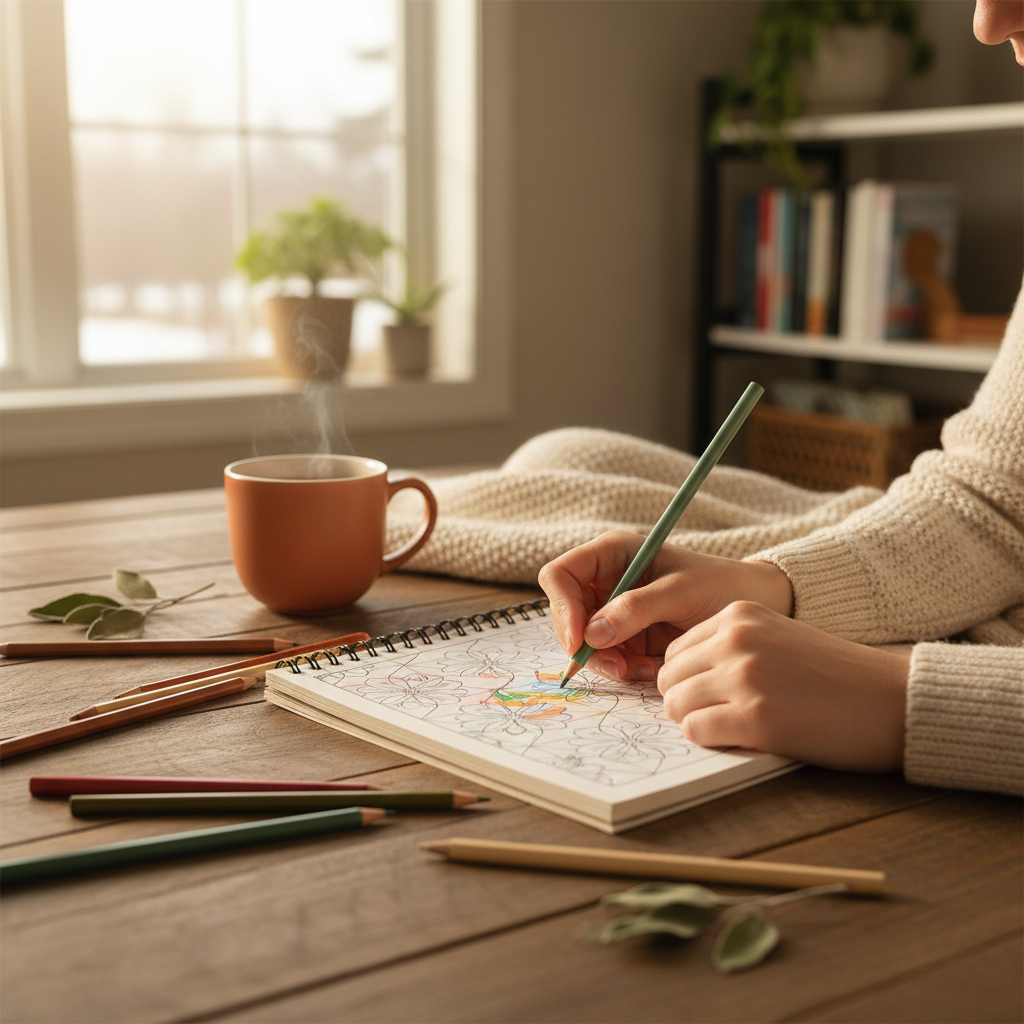
Mindful colouring is the practice of focusing your attention entirely on the physical act of filling paper with colour. Unlike traditional art, there is no pressure to make a masterpiece. You are simply paying attention to the movement of your hand, the gentle friction of the pencil, and the quiet rhythm of your breath.
Many people find that spending just ten to fifteen minutes with a colouring page can support a sense of calm and offer a gentle break from busy screens. If you have never tried it, or if sitting down with a blank page feels a bit intimidating, having a clear, uncomplicated routine makes all the difference.
Here is an easy, beginner-friendly routine to help you get started without fuss or artistic pressure.
Why a Routine Helps
When you sit down to relax, your mind often keeps running through to-do lists, work emails, or daily worries. Having a predictable routine acts like a gentle signpost for your brain, signaling that it is time to slow down.
At Zen Colour Art, our creative philosophy is that colouring should feel calm and unhurried. Pages are designed to be inviting rather than overwhelming, blending open spaces with gentle detail. Setting aside a few minutes each day gives you an easy pocket of quiet where nothing else is demanded of you.
The 4-Step Beginner Colouring Routine
This simple sequence takes roughly ten to twenty minutes. You can adapt it to fit your morning coffee, an afternoon pause, or your evening wind-down.
1. Set Your Space (1 Minute)
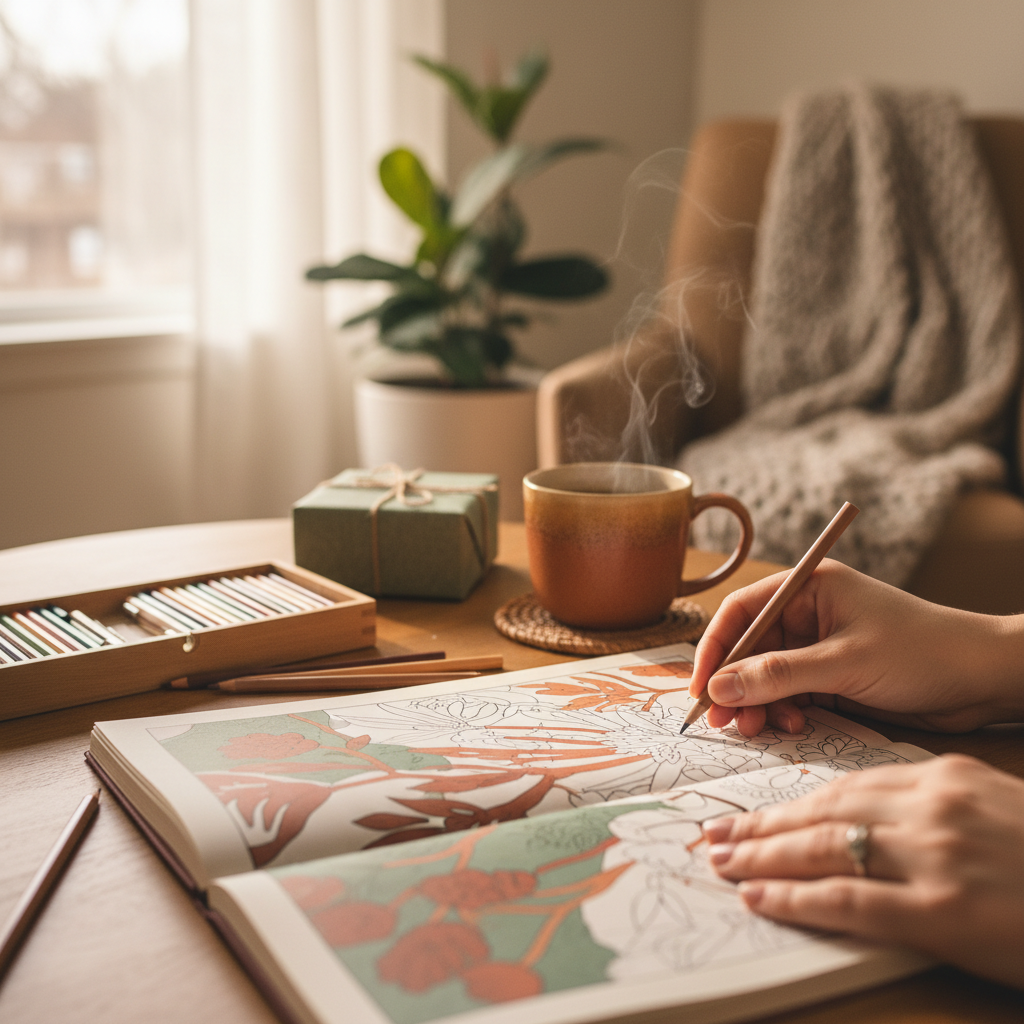
Find a comfortable chair and clear a small space on a desk or table. You do not need absolute silence, but minimizing sudden distractions helps.
- Put your phone face-down or place it in another room.
- Ensure you have good, warm light so your eyes do not strain.
- Take one slow, grounding breath before you open your book.
2. Choose Your Palette in Advance (2 Minutes)
One common reason beginners feel stuck is decision fatigue. Staring at a box of 72 pencils can make you feel frozen before you even lay down your first stroke.
Pick just three or four colours before you begin. You might choose:
- Cool blues and soft greens for quiet, tranquil moods.
- Warm terracottas, pale yellows, and creams for a grounding, cozy feel.
- Different shades of a single colour (monochrome), which removes all colour matching decisions entirely.
Keep only those selected pencils on the table. Put the rest away for now.
3. Focus on the Physical Sensation (10–15 Minutes)
Now, begin filling in an area of the page. Pick a section that looks welcoming—not necessarily the smallest detail, but an area where your hand can move comfortably.
As you colour, gently anchor your attention to your physical senses:
- The sound: Listen to the faint scratch or glide of the lead against the paper.
- The touch: Notice your grip on the pencil. If your knuckles are white or your shoulders are tight, ease your pressure. Hold the pencil softly.
- The breath: Match your colouring strokes to a steady, natural breathing rhythm. If you enjoy pairing breath with movement, you can read our guide on combining breathwork and colouring for simple micro-exercises.
Whenever you notice your mind wandering back to errands or yesterday's conversations, notice the thought without judgment, then gently return your eyes to the tip of your pencil.
4. Close the Session Gently (1 Minute)
You do not need to finish an entire page in one sitting. In fact, leaving a page partly finished can make it easier to return tomorrow, because the first mark is already made.
When your time is up, pause for a moment. Take in the work you did, close the book, and set your supplies neatly aside for next time. Carry that sense of quiet pace into the next part of your day.
What Supplies Do You Actually Need?
Beginners often think they need professional-grade art supplies to practice mindful colouring. The truth is that simple, comfortable tools are best.
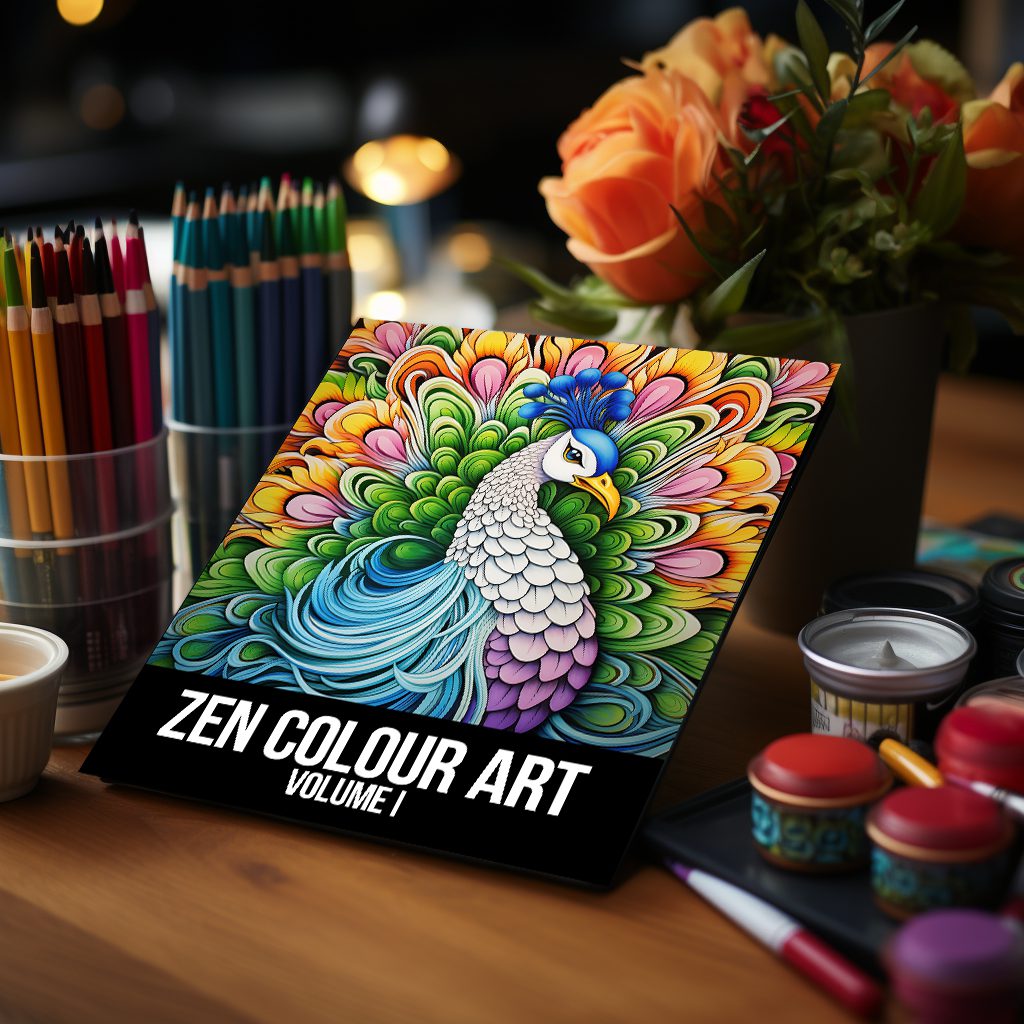
- Coloured pencils: Soft-core pencils work wonderfully because they blend easily and do not require heavy pressure on your wrists.
- Gel pens or fine markers: If you prefer smooth ink and bright lines, fine markers are fun to explore. Look for books printed on heavy stock—our books are printed on 120gsm artist paper with single-sided pages specifically so ink will not ghost or bleed onto the next design.
- A sharpener with an attached container: Keeping your workspace tidy prevents small annoyances from breaking your quiet focus.
If you want to explore the basics of colour combinations without getting lost in technical jargon, take a look at our beginner breakdown of colour theory basics for adult colouring.
Troubleshooting Common Beginner Roadblocks
"I went outside the lines."
Mindful colouring is a practice in self-kindness, not precision drafting. Stray lines happen to everyone. When a mark goes where you did not intend, treat it as a natural part of a handmade page rather than a mistake.
"I get restless after five minutes."
That is completely normal, especially if you are used to checking your phone every few minutes. Start with just five minutes. Even a short mindful pause can be a relaxing activity that resets your attention.
"I don't know which book to pick."
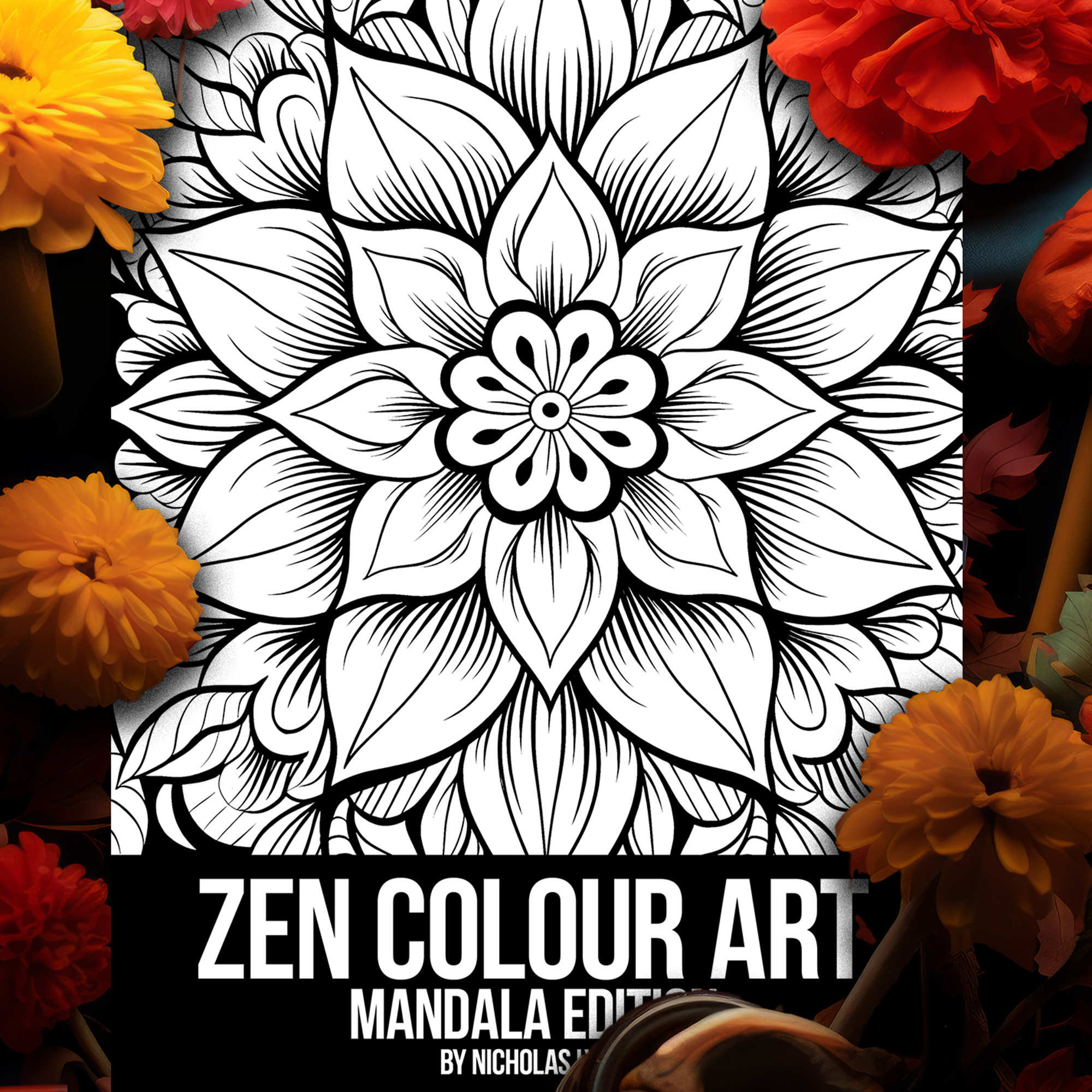
Look for designs that feel spacious rather than crowded. Books with very tiny, cramped patterns can cause eye strain rather than ease.
For a curated mix of botanical designs, gentle mandalas, and flowing patterns, The Calm Collection offers 96 pages printed on 120gsm paper, specifically arranged to support slow, meditative creative time.
A Welcoming Practice for Any Day
You do not need to call yourself an artist to enjoy putting colour to paper. By keeping your tools simple, limiting your choices, and focusing on the tactile rhythm of the page, mindful colouring can become a reliable, screen-free refuge in your daily life.