How to Choose a Colouring Book for a Child Aged 4 to 8
Nicholas Lynn··5 min read
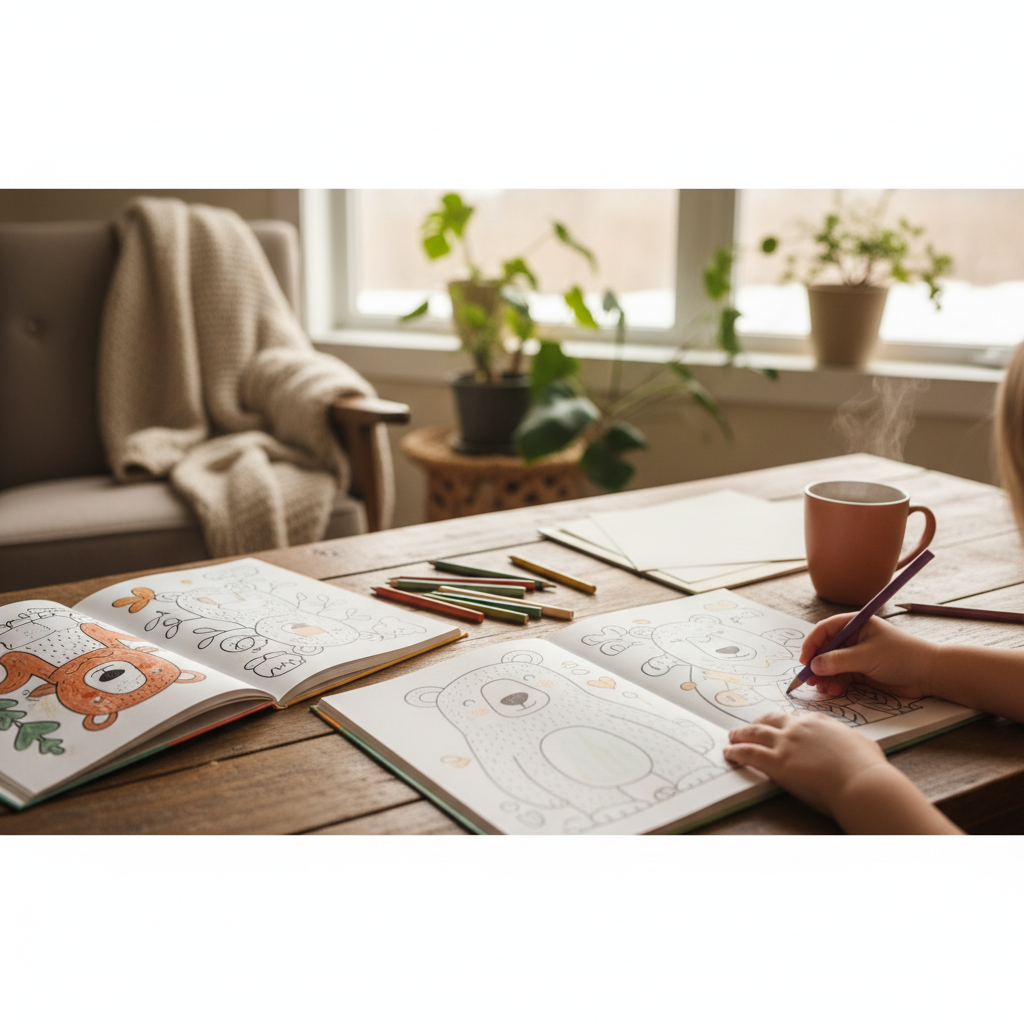
Choosing the right colouring book for a child aged 4 to 8 comes down to matching the artwork to their physical development. Between the preschool years and early primary school, children are still refining hand strength, finger coordination, and spatial awareness. The best books for this stage feature bold outlines, generous white space, bleed-resistant paper, and imaginative themes that invite curiosity without feeling overwhelming.
When a page has spaces that are too small or outlines that are hair-thin, young children often get tired quickly or feel discouraged when their crayons stray outside the boundaries. On the other hand, pages that are overly simplistic might fail to hold the attention of a curious seven-year-old. Here is what to look for so you can pick a book that builds confidence, encourages creativity, and provides genuine screen-free calm.
Understanding Fine Motor Development Between Ages 4 and 8
Children grow rapidly between the ages of 4 and 8, and their grip changes alongside that growth:
- Ages 4 to 5: Most children are moving from a four-finger grasp to a five-finger pencil grip or an early tripod grip. Their colouring strokes come largely from the wrist and forearm rather than isolated finger movements. They need large, clear spaces to fill in.
- Ages 6 to 8: Hand muscles have strengthened, allowing for a mature dynamic tripod grip. Children at this stage can colour smaller areas with greater control, experiment with shading, and take pride in finishing complex pictures.
Because of these changes, the most versatile colouring books offer a gentle mix of broader figures and medium-sized accent details. This balance gives younger hands room to sweep across the page while giving older children interesting elements to personalize.
4 Key Features of a Great Kids Colouring Book
When you are browsing bookshelves or shopping online, pay close attention to the physical construction and artistic layout of the book.
1. Line Thickness and Definition
Look for illustrations created with clear, deliberate line weights. Thin, delicate outlines belong in adult botanical illustrations, not in books meant for children practising hand-eye coordination. Bold borders act as visual bumpers, helping children perceive boundaries and feel successful as they practice staying within the lines.
2. Composition and Uncluttered Space
Great children's books balance the subject with open space. A crowded page packed with fifty tiny objects can cause visual fatigue. Open space invites children to add their own drawings—such as extra clouds, a bright sun, or grass along the bottom—which supports imaginative thinking rather than rigid compliance.
3. Paper Weight and Durability
Many standard colouring books use thin, grey newsprint paper that easily tears under the pressure of a wax crayon or soaks through when touched by a washable marker. Look for books printed on heavier paper, ideally around 120gsm artist paper. Thicker paper withstands vigorous back-and-forth scribbling, prevents ink bleed-through, and makes the finished drawing feel like a genuine piece of artwork worth keeping.
4. Page Layout and Binding
Books that stay relatively flat when opened make colouring much easier. When binding is stiff or pages curl upward toward the centre seam, young children struggle to hold the paper steady with one hand while colouring with the other. Single-sided designs or spacious margins ensure that hands have room to rest comfortably.
Choosing Themes Based on Interest, Not Stereotypes
Children engage best with colouring books when the subject matter connects directly to their current curiosities. Some children love exploring woodland habitats and spotting wild creatures; others love fairy tales, enchanted gardens, or funny cartoon characters.
When browsing, treat theme titles as descriptions of artwork rather than rules about who should colour them. A collection featuring friendly forest critters and outdoor journeys suits any child who loves nature, just as a collection of magical mushroom houses and starlit fairies belongs in the hands of any child fascinated by wonder and storybooks. Giving children the freedom to choose their own themes builds self-direction and pride in their creative time.
How Colouring Supports Calm and Focus at Home
Many parents and educators look for screen-free activities that help children settle down between high-energy parts of the day. While colouring is not a clinical treatment for behavioural challenges or attention difficulties, many families find that sitting down with a pencil case and a clear illustration can support emotional regulation and quiet focus.
Here are three simple ways to introduce a calm colouring habit:
- Create an accessible art caddy: Keep non-toxic crayons, broad-tip markers, and coloured pencils in open cups so children do not need assistance to get started.
- Use colouring as an afternoon bridge: Offer a page right after school or daycare to give busy little minds a gentle transition before dinner or homework.
- Colour side by side: Children love parallel play. Opening your own mindful colouring book while your child colours beside you sets a peaceful, unhurried tone for the whole room.
If you want to read more about setting up gentle daily practices, explore our guide on how to choose a colouring book for a child aged 4–8 or read about classroom colouring activities in Simcoe County.
Thoughtful Choices from Zen Colour Art
At Zen Colour Art, our studio in Barrie, Ontario, designs colouring books that celebrate tactile creativity for all ages. We print our books on durable 120gsm acid-free artist paper so children can use pencils, crayons, and fine-tip markers without worrying about tearing or page bleed.
If you are looking for books designed specifically for the 4 to 8 age range, consider:
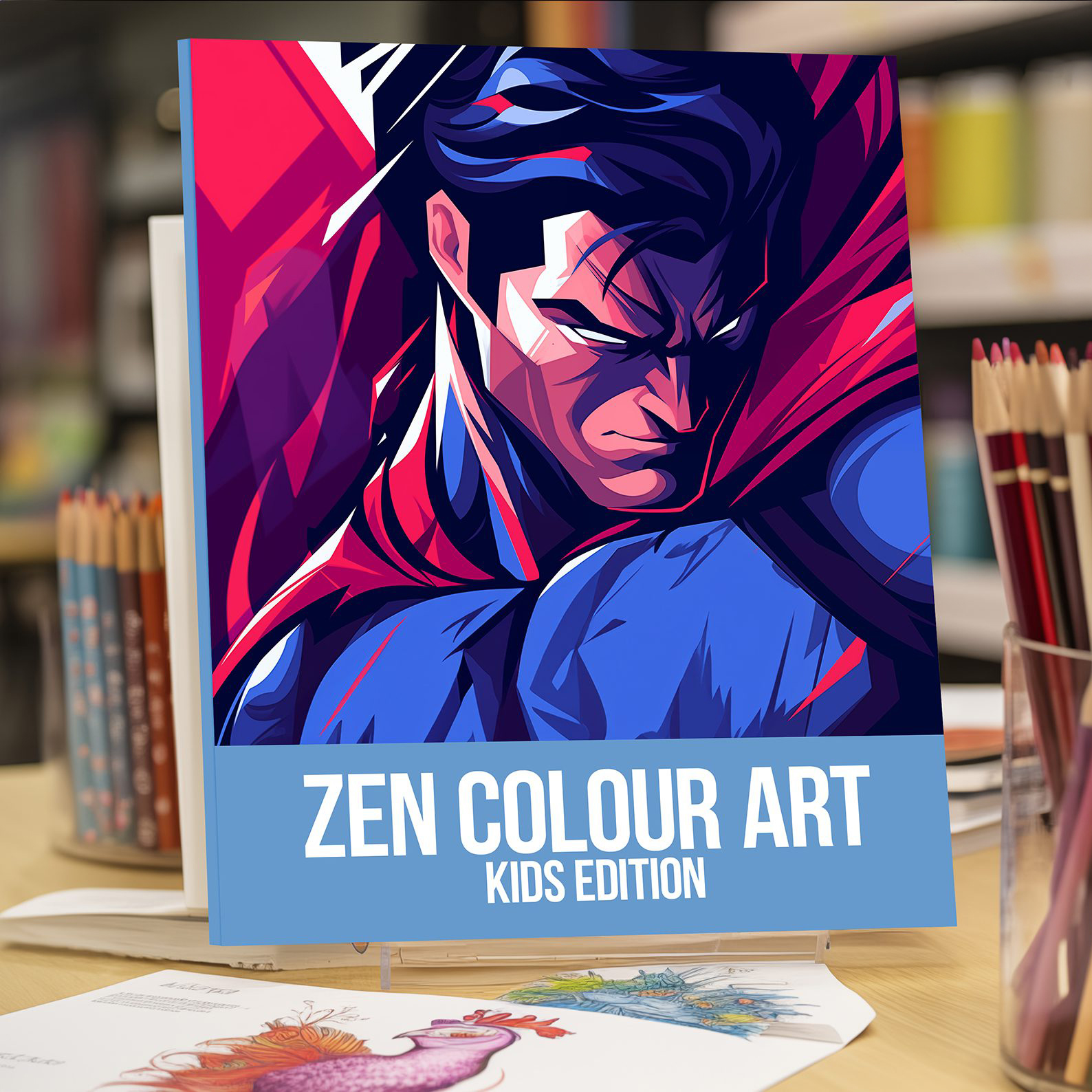
- Kids Edition: Boys (Little Explorers) (48 pages, CAD $18.00): Filled with friendly animals, simple shapes, and outdoor scenes. The bold lines and generous open spaces make it especially inviting for early colourists building their confidence.
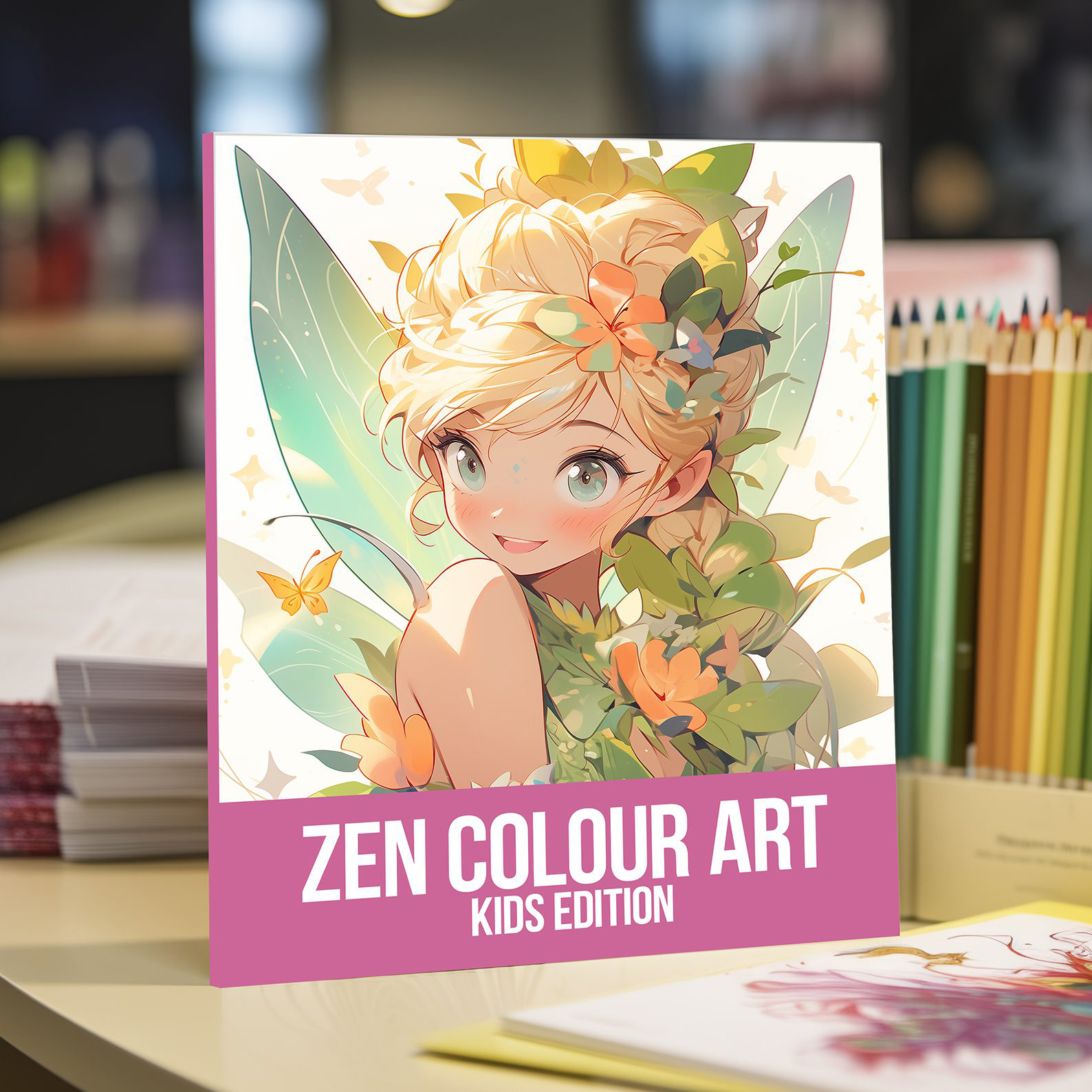
- Kids Edition: Girls (Enchanted Fairies) (72 pages, CAD $26.00): Features delicate fairy gardens, mushroom villages, and starlit forest scenes. It offers slightly richer detail that older children and fantasy lovers can colour for hours.
Both collections are open and inviting to every child. Orders ship across Canada within 1 to 2 business days, and we offer free local pickup at 101 Grace Crescent in Barrie, along with free delivery throughout Simcoe County.
Final Thoughts
The right colouring book should feel inviting rather than intimidating. By focusing on thick lines, durable paper, and themes your child naturally gravitates toward, you provide them with a satisfying creative outlet that strengthens their fine motor coordination and nurtures calm, screen-free time at home.