Colouring as a Quiet Activity for Classrooms in Simcoe County
Nicholas Lynn··4 min read
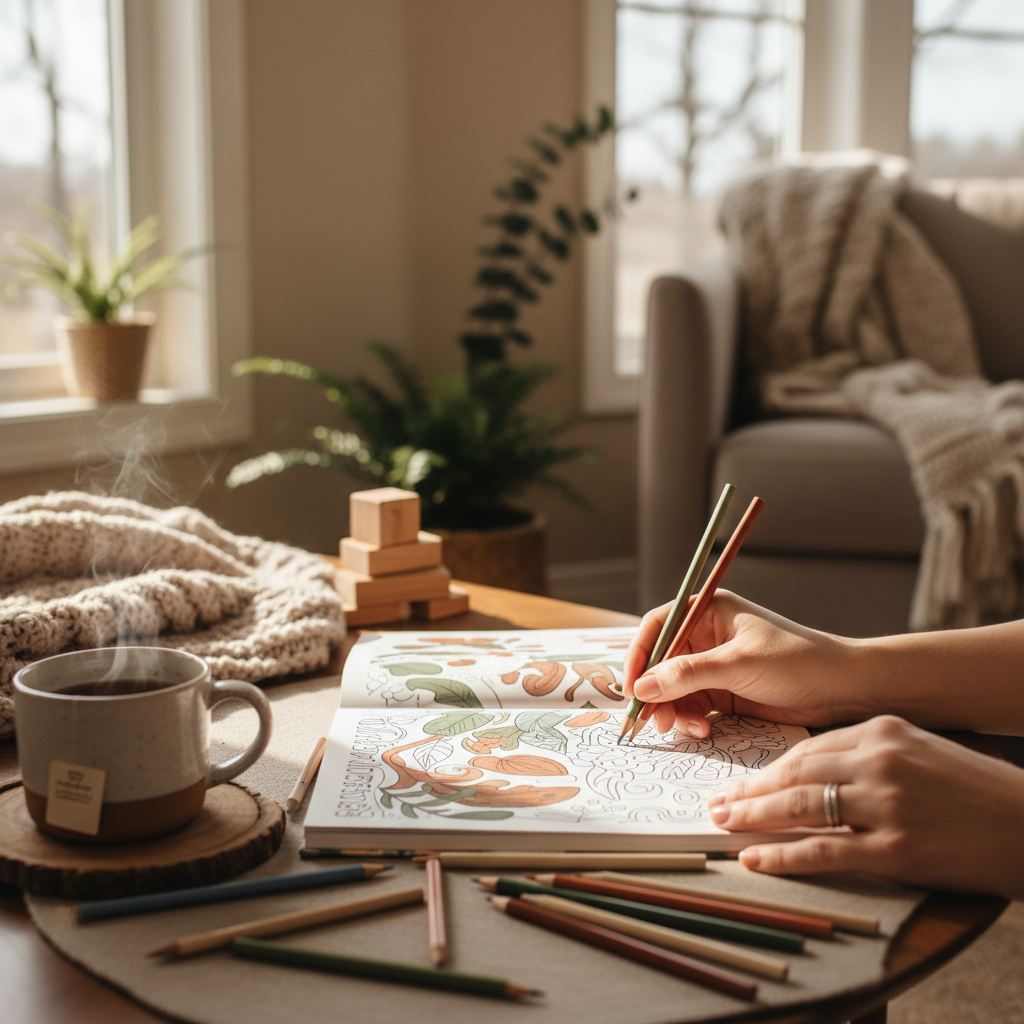
Classroom transitions can test the patience of any educator. Between the energy of morning arrival, recess, and afternoon dismissals, finding a gentle way to help students settle into learning is an everyday challenge. For many teachers across Simcoe County, introducing quiet colouring into the daily schedule offers a simple, screen-free reset that helps pupils find their centre.
Colouring does not require complex setup or technology. It invites children to focus on tactile, rhythmic movement, allowing active nervous systems to rest without pressure or evaluation.
Why Quiet Transitions Matter in the Classroom
School days are rich with stimulation. Bell rings, hallway chatter, group projects, and digital whiteboards demand continuous attention. When children shift between high-energy environments like physical education or outdoor play and focused desk work, the sudden change in pace can feel jarring.
Integrating a regular calm pocket—such as ten minutes of quiet colouring—can support smoother transitions. Many educators find that working with crayons or coloured pencils gives students an immediate, tangible task. The repetitive physical motion helps quiet internal noise, offering children an opportunity to ground themselves before tackling reading or math.
Importantly, colouring carries no right or wrong answers. Unlike graded worksheets, a colouring page removes the fear of making a mistake. This low-stakes environment allows children of all learning styles to unwind together in shared, companionable quiet.
Practical Ways Simcoe County Teachers Use Colouring
Educators across Barrie, Orillia, Innisfil, and Collingwood use colouring in practical, versatile ways throughout the school week:
1. Morning Soft Starts
Rather than asking students to sit immediately for formal instruction while attendance is taken, many teachers set out colouring pages as part of a gentle "soft start." Students unpack their backpacks, select their favourite colours, and ease into the school day with calm conversation or quiet focus.
2. Post-Recess Grounding
Coming in from the schoolyard often brings elevated energy levels. Giving students five to ten minutes at their desks with a colouring sheet provides a clear visual and tactile cue that it is time to slow down and listen.
3. Early Finisher Stations
Students finish independent assignments at different speeds. Having a quiet colouring centre prevents restless disruptions while classmates finish their tasks. It gives early finishers an engaging, creative option that keeps the classroom atmosphere peaceful.
4. Rainy Day Recess Alternatives
When inclement weather keeps classes inside across Simcoe County, quiet colouring tables offer a peaceful alternative to noisy indoor games, helping maintain a manageable volume in shared spaces.
Choosing the Right Colouring Materials for Young Learners
Not all colouring materials work equally well in a busy classroom setting. When selecting pages and supplies for elementary classrooms, consider these practical factors:
- Paper Weight: Thin photocopy paper often buckles under markers or tears under heavy crayon pressure. Sturdier artist-grade paper prevents bleed-through and withstands vigorous strokes.
- Line Weight and Composition: For younger hands, particularly in kindergarten through grade three, thick outlines and balanced open spaces prevent motor frustration. Highly intricate, micro-detailed designs can sometimes overwhelm beginners, while open illustrations invite playful self-expression. To read more about matching page complexity to motor stages, see our guide on how to choose a colouring book for a child aged 4–8.
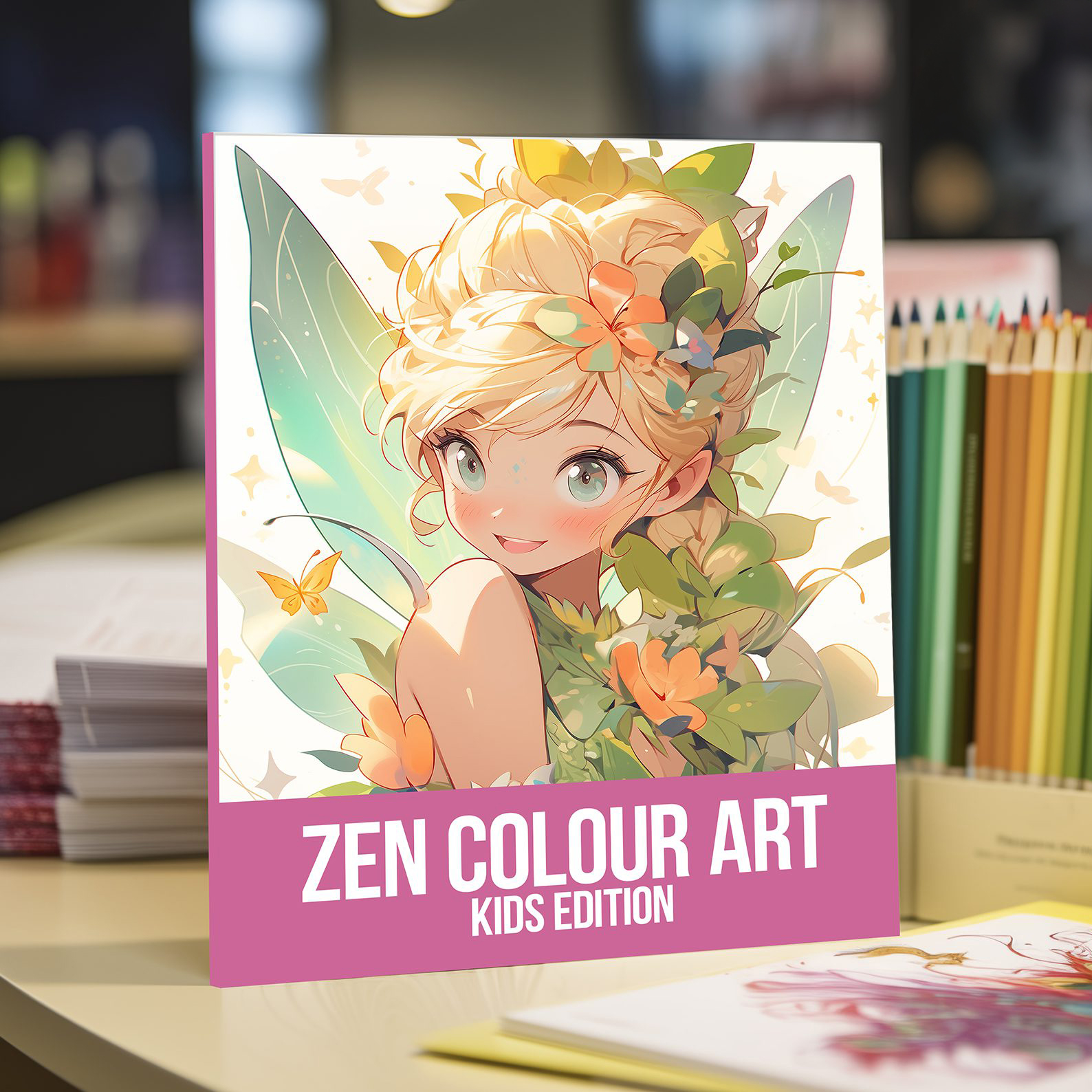
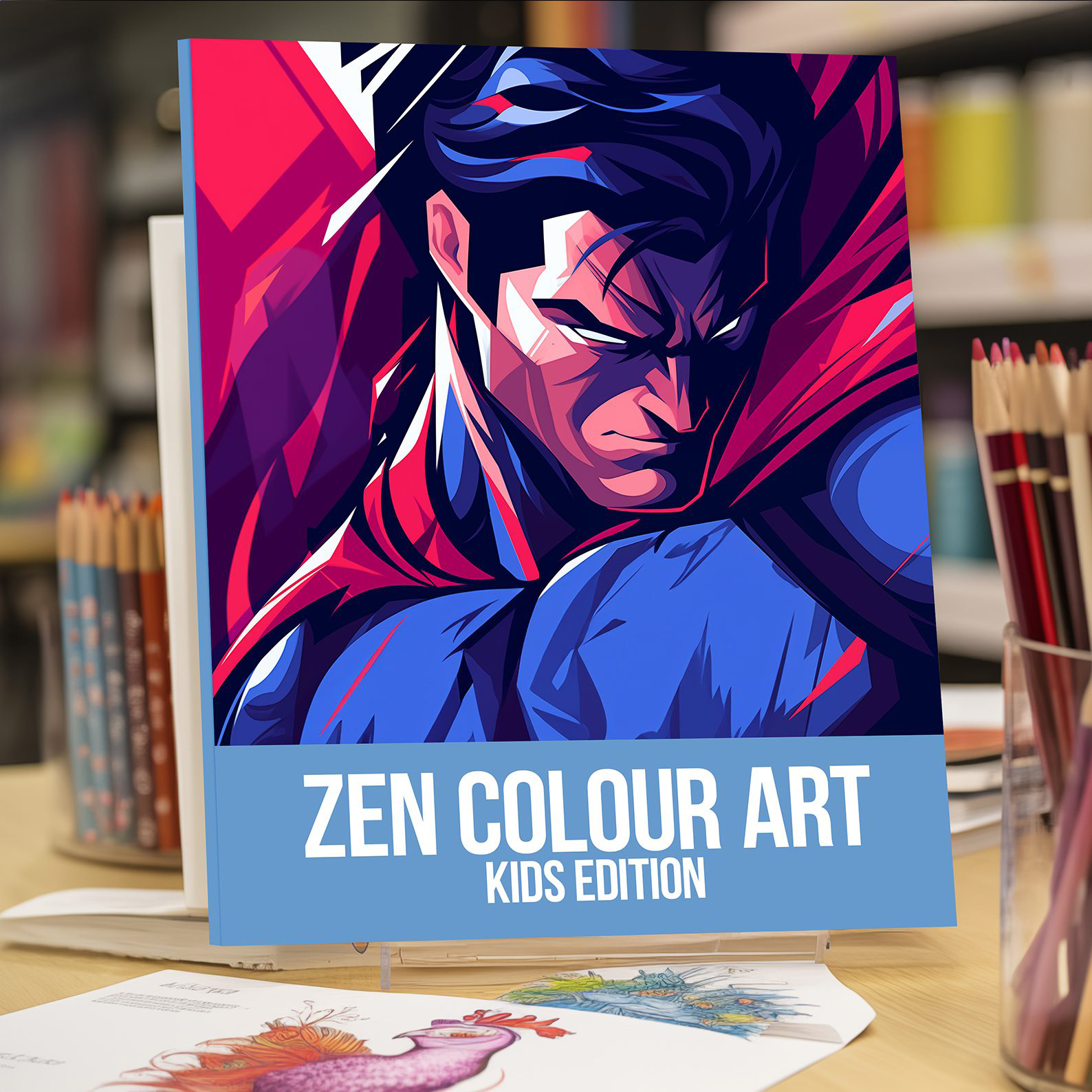
- Open Themes: Children are drawn to diverse subjects. Offering a range of topics—from forest wildlife to playful fantasy scenes—gives every learner a chance to connect with something they enjoy. Collections like Kids Edition: Boys (featuring friendly animals and outdoor scenes) and Kids Edition: Girls (featuring whimsical fairy gardens and woodland habitats) are open to every child, regardless of name, offering bold lines and forgiving spaces for developing artists.
Setting Expectations for Quiet Creative Time
To make quiet colouring an effective reset in your classroom, clear and gentle routines help establish the mood:
- Dim the Overhead Lighting: If your classroom allows, turn off harsh fluorescent fixtures and rely on natural window light or a soft desk lamp.
- Play Gentle Background Audio: Instrumental acoustic music, soft piano, or natural soundscapes can provide an auditory cue that the room has shifted into low-stimulation mode.
- Model the Practice: When possible, sit at your desk or with a small group and colour alongside your students. Seeing an adult enjoy quiet creativity reinforces that calm, focused time is valued by everyone in the room.
- Keep Supplies Accessible: Organise coloured pencils and crayons in shared caddies so students do not need to wander or search for materials, preserving the quiet rhythm of the room.
Local Creative Resources for Simcoe County Classrooms
At Zen Colour Art, our creator-led studio in Barrie designs colouring books built with unhurried creativity in mind. Founder Nicholas Lynn designs each title with a thoughtful mix of open space and detail so that colouring feels inviting rather than intimidating. Every book is printed on heavyweight 120gsm acid-free paper, meaning pages handle pencils, gel pens, and fine markers cleanly without ghosting.
For schools, parent-teacher associations, and educational assistants looking to build quiet-time kits, we offer local pickup at 101 Grace Crescent in Barrie, as well as free local delivery across Simcoe County. If you are looking for more classroom-friendly concepts, explore our suggestions on colouring gift ideas for teachers and classrooms in Simcoe County.
A Screen-Free Tool for Everyday Calm
A productive classroom does not always require high-tech tools or elaborate lesson plans. Sometimes, all it takes to bring quiet harmony back to a room full of energetic students is a pencil, a thoughtful page, and ten peaceful minutes to create.