Colouring as a Quiet Activity for Classrooms in Simcoe County
Nicholas Lynn··5 min read
Quiet transitions in an elementary classroom rarely happen by accident. Between wet winter boots after morning recess, high-energy gym classes, and the general buzz of a busy school day, helping twenty or thirty children settle back into a focused mindset requires simple, predictable routines. Across Simcoe County—from neighbourhood schools in Barrie and Innisfil to rural classrooms around Elmvale and Collingwood—teachers frequently look for low-friction, screen-free tools that gently lower the room’s ambient volume.
Intentional colouring is one of the most accessible quiet activities available to educators. When introduced as an unhurried, low-pressure option rather than busywork, colouring can support sensory regulation, strengthen fine motor endurance, and provide students with a reliable way to reset their focus between subjects.
Here is how educators across Simcoe County can introduce quiet colouring routines that support an orderly, calm learning environment throughout the school year.
Why Colouring Works for Classroom Transitions
Classroom transitions are notoriously difficult moments in the school day. Moving from unstructured, high-stimulus environments like the playground back to seated academic tasks often triggers restless energy. While digital timers and verbal prompts help, they still demand active cognitive processing from children who may already feel overstimulated.
Colouring offers an immediate tactile bridge. Here is why many educators find it effective:
- Predictable tactile feedback: The repetitive, rhythmic motion of moving a wax crayon or pencil crayon across textured paper provides gentle sensory input. This predictable action can help quiet a busy nervous system after active play.
- Lowered cognitive demand: Unlike word puzzles or math warm-ups, colouring does not test recall or comprehension. It allows the mind to take a brief, restorative breather while hands remain occupied.
- Reduced ambient noise: Group colouring naturally discourages loud chatter. As students shift their attention to choosing shades and filling shapes, classroom volume tends to drop organically without the teacher needing to raise their voice.
- Inclusive engagement: Colouring is inherently adaptable. A child working on pencil grip can fill large open shapes, while another student who enjoys detail can focus on intricate lines, all within the exact same shared routine.
Three Practical Rhythms for Classroom Quiet Colouring
To make colouring truly restorative, it helps to weave it into predictable pockets of the day. Rather than treating it as an afterthought, teachers in Simcoe County often integrate it into three specific classroom rhythms.
1. The Post-Recess Soft Landing
Winter weather in Simcoe County brings freezing rain, heavy snowsuits, and boisterous indoor or outdoor play. Peeling off winter gear and returning to desks often results in a chaotic ten minutes.
Setting up a "soft landing" tray at desk clusters allows students to immediately pick up a page and colour for five to seven minutes while attendance is finished and coats are hung up. This brief pause establishes quiet momentum before instruction begins.
2. The Calm-Down Corner or Reset Station
Many elementary classrooms now feature a designated reset corner—a quiet space equipped with floor cushions, sensory tools, and visual supports. Adding a small bin of thoughtfully illustrated colouring pages gives students who feel frustrated, overwhelmed, or restless a concrete, calming activity. Concentrating on colour choices can offer a gentle mental reset, helping students regain their composure before returning to group work.
3. Indoor Recess During Ontario Weather Days
When blowing snow off Georgian Bay or spring downpours keep students inside, indoor recess can quickly lead to high noise levels in compact rooms. While board games are popular, having a dedicated quiet colouring table offers a tranquil haven for children who need a break from high-energy group play.
Setting Up a Low-Friction Colouring Station
A quiet activity should not create extra management headaches for the teacher. To keep your classroom colouring station practical, consider these classroom-tested tips:
- Choose quality paper that handles classroom tools: Standard 20lb office printer paper often wrinkles under pressure or tears when damp markers are applied. Heavier paper—such as 120gsm artist paper—provides a sturdy surface that handles coloured pencils, twistables, and fine-tip markers without ghosting or bleeding through to classroom desks.
- Offer single-sided sheets: If you are supplying loose pages, single-sided printing ensures students can use their favourite markers without ruining another design on the back. It also makes displaying completed work in classroom hallways easy.
- Use shared, organized colour caddies: Rather than having students search through messy personal pencil cases, place central sorting bins (wooden caddies or divided plastic baskets) on table pods. Grouping pencils by shade or keeping them pre-sharpened saves precious quiet time.
- Focus on inviting, forgiving designs: For kindergarten through grade three, look for pages with clear, bold linework and plenty of white space. Overly intricate adult patterns can frustrate small hands, while overly plain outlines fail to hold attention.
Supporting Creativity Without Competition
For colouring to remain a genuine quiet retreat, the classroom culture around it should be completely pressure-free. Here are a few ways to protect that atmosphere:
- Ditch the "inside the lines" rule: Remind students that quiet colouring is about enjoyment and calm, not technical precision. Scribbling, colour blending, and abstract shading are all valid.
- Avoid grading or judging: Keep colouring purely process-oriented. Instead of praising a page as "pretty," ask students what colours they enjoyed working with or how they felt while finishing the section.
- Join in occasionally: When educators sit and colour quietly for two minutes alongside their students, it models calm, grounded behaviour and demonstrates that screen-free creative pauses have value for everyone.
Purpose-Built Colouring Resources for Simcoe County Schools
At Zen Colour Art, our studio in Barrie, Ontario designs colouring books created specifically to inspire calm, unhurried focus. Created by Nicholas Lynn, each collection balances open space with inviting detail, ensuring pages feel welcoming rather than intimidating.
Every book is printed on heavyweight 120gsm acid-free artist paper with single-sided pages, meaning they easily withstand coloured pencils, gel pens, and classroom markers without bleeding through to the next sheet or desk surface.
For young learners ages 4 to 8:
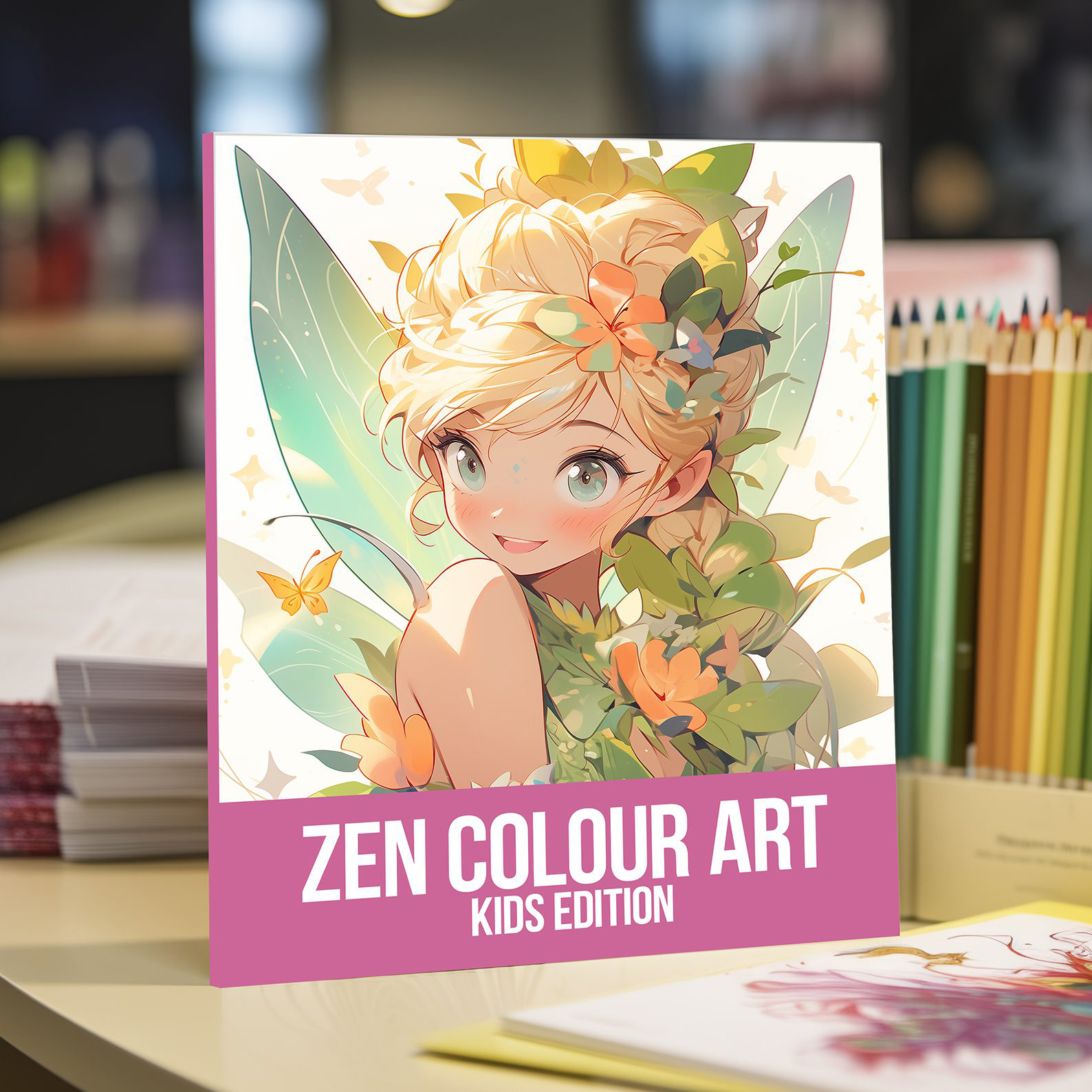
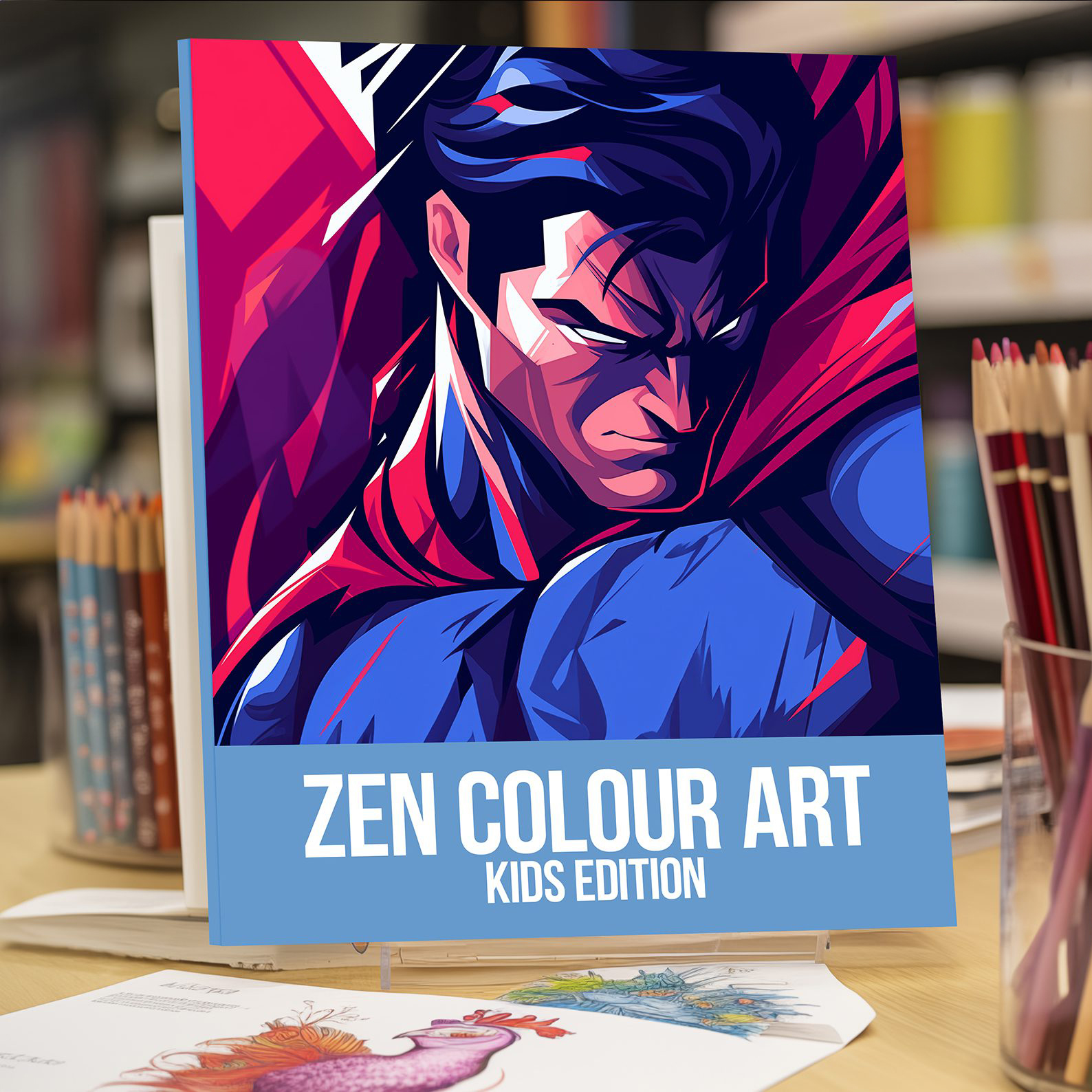
- Kids Edition: Boys (Little Explorers) (CAD $18.00, 48 pages) offers friendly animal illustrations, nature trails, and adventure scenes with thick lines designed to build fine motor confidence.
- Kids Edition: Girls (Enchanted Fairies) (CAD $26.00, 72 pages) features playful mushroom villages, woodland sprites, and starlit scenes.
Note: Our children's editions are named strictly for their creative themes, never for who may use them. Both titles are open and welcoming to every curious child in the classroom.
For teachers and educators seeking quiet evening routines for their own wind-down time, titles like Mindful Mandalas, Vol. 1 (CAD $24.00, 80 pages) offer forty hand-drawn patterns designed for meditative, screen-free relaxation.
We provide free local delivery across Simcoe County, local pickup at 101 Grace Crescent in Barrie, and work with local independent retailers, childcare centres, and educators looking for thoughtful wholesale resources.
Conclusion
Creating a calm classroom does not require complicated systems or costly technology. By giving students a tactile, creative outlet like colouring during natural transition points, educators can help lower sensory overload, support steady focus, and bring a welcome pocket of peace to the school day.