
Mindful Colouring Routines for Busy Parents in Barrie This Spring
Zen Colour Art··8 min read
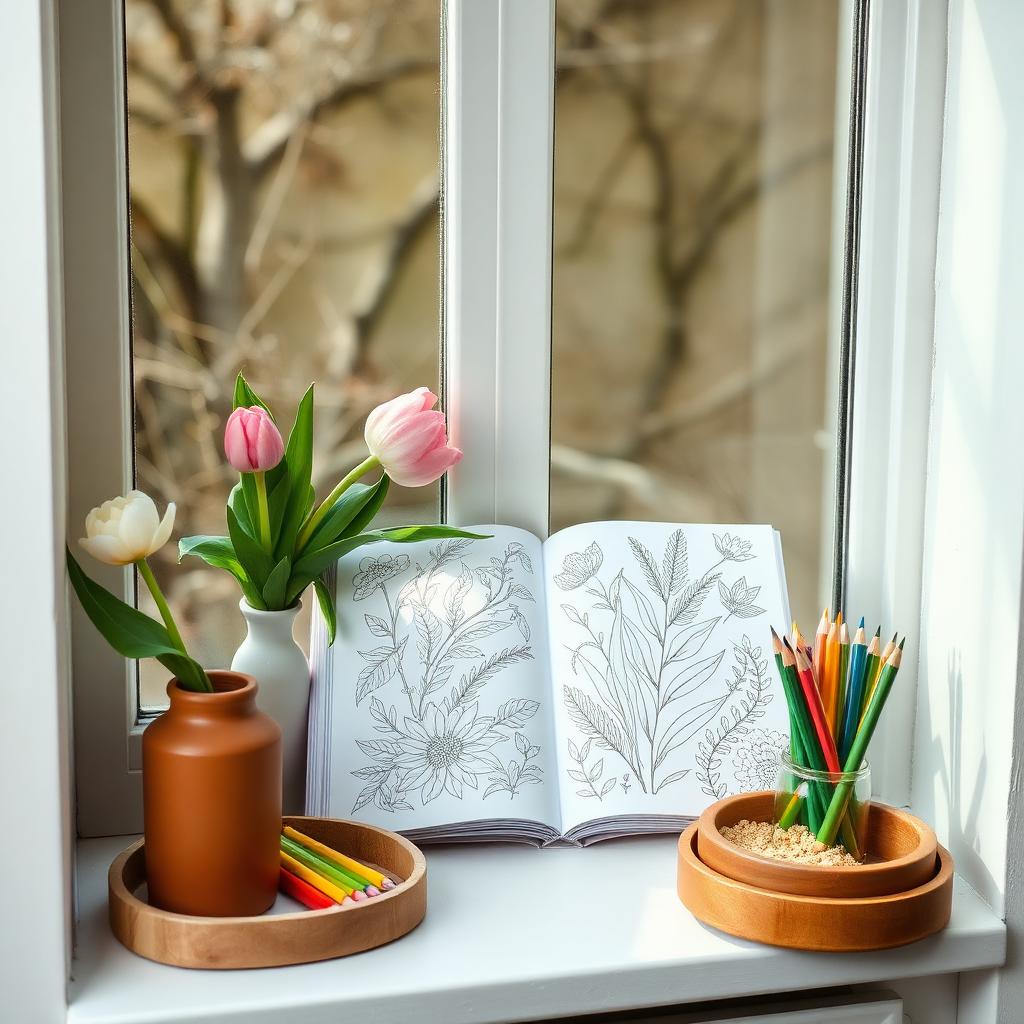
Mindful colouring routines for busy parents in Barrie (spring guide)
Spring arrives in Barrie with crocuses peeking along the waterfront, birds returning to the trees around Centennial Park, and a sense that even small minutes can feel new. If you’re a busy parent in Barrie or anywhere in Simcoe County, your days are full—drop-offs, meals, errands, work, and that ever-present wonder (and exhaustion) of raising kids.
This guide offers mindful colouring routines designed for real life: short, doable, emotionally supportive, and tuned to the slow, bright energy of spring. These routines are screen-free, restorative, and crafted for adults seeking stress relief, creativity, and a simple way to be present.
Use the routines at home, in a car waiting for practice to end, or even after a walk along the Barrie waterfront. These are practical habits, not another task to add to your list.
Why mindful colouring works for busy parents
Mindful colouring blends creativity with focused attention—two things that help interrupt rumination and stress. It’s different from passive scrolling because:
- It engages fine motor skills and visual focus.
- It’s repetitive and predictable, which calms the nervous system.
- It’s creative enough to feel pleasurable, but structured enough to avoid decision fatigue.
Neuroscience shows that brief, focused activities lower cortisol and improve mood. For parents, a five-minute pause can reset emotions and improve patience. Colouring gives the brain a soft landing: simple, tactile, and satisfying.
How to make colouring feel like self-care, not another chore
Spring is a season of renewal—use that momentum to make colouring a gentle ritual.
- Start small. Aim for 5 minutes on busy days.
- Keep materials in one place: a tray, a tote near the kitchen table, or a small caddy for your car.
- Choose a few designs you love. Floral, geometric, and nature-inspired pages are perfect for spring.
- Use colour prompts (warm pastels, Georgian Bay blues) to reduce choice paralysis.
- Set a friendly boundary: this is for you, not for producing a perfect page.
Tip: Keep one favourite set of pencils in the glovebox for an unexpected quiet moment at a playground or while the kids practise a sport.
Quick set-up for busy households
You don’t need a studio. Try this micro-setup:
- Sturdy clipboard or thin sketchbook.
- A tin of 12 good-quality coloured pencils.
- A small pencil sharpener and eraser.
- A comfortable chair near a window or at the kitchen table.
Place the kit where you naturally pause: beside the coffee maker, on the entryway bench, or in your reusable stroller bag. For Barrie parents, a kit in the car makes waterfront waits and library pick-ups calmer.
Mindful colouring prompts for spring in Barrie and Simcoe County
Use short prompts to anchor attention. Each takes less than a minute to read and helps the mind settle.
- Notice the breath for three counts before you colour.
- Think of a spring sound: frogs, geese, ice thawing on Georgian Bay. Carry that sound as you choose your first colour.
- Intend one small kindness for yourself today as you colour a petal.
- With each stroke, imagine a warm breeze from the waterfront.
These anchors make colouring a mindful practice rather than a distraction.
Routines that fit busy parent life (5, 10, 20 minute scripts)
Below are practical routines you can use as is. They’re labeled for length so you can pick what fits the moment.
5-minute: The reset
- Sit down with your kit. Close your eyes for one slow breath in and out.
- Choose one colour and one small section of a page (a leaf, a petal, a shape).
- Colour mindfully, matching breath to movement: inhale two strokes, exhale two strokes.
- When time’s up, take a deep breath, notice how your shoulders feel, and fold the page gently.
When to use: between meetings, after a tantrum, while dinner simmers.
10-minute: The gentle focus
- Start with two grounding breaths and a soft body scan (neck, shoulders, jaw).
- Pick a nature-based design: blossoms, river waves, or simple mandalas.
- Colour using small harmonious groups: three complimentary colours for the whole page.
- End with a gratitude note: think of one small thing that went well today.
When to use: after school drop-off, before bedtime routines, during nap-time.
20-minute: The mini-retreat
- Make a light drink (tea, water) and bring it with you.
- Sit in a comfortable chair facing a window or your favourite corner. Play soft spring sounds—real ducks at the waterfront or light rain.
- Choose a larger design. Use layering: base colour, gentle shading, and a highlight.
- Focus on texture and pressure: press lightly for airy petals, more firmly for trunks or stones.
- Finish with three deep breaths and a short note in a tiny journal about how you feel.
When to use: during a long nap, a quiet evening when caregiver swap is happening, or an afternoon pause on a weekend.
A weekly routine you can stick to
Consistency matters more than duration. Here’s a gentle weekly plan that fits family life in Barrie:
- Monday: 5-minute reset after dinner.
- Wednesday: 10-minute focus after school drop-off.
- Friday: 20-minute mini-retreat on the porch or near a window.
- Weekend: family colouring session (30-45 minutes) after breakfast.
This pattern creates a rhythm: brief moments during weekdays and longer, restorative time on weekends.
Involve the family—without losing quiet time
Colouring can be shared, but adult colouring is different from kids’ colouring. Keep separate adult pages and child pages to preserve your mindfulness.
- Kid area: crayons, broad markers, big paper.
- Adult area: pencils, fine lines, curated designs.
- Offer a shared 20-minute family colour: everyone chooses a section on a large poster.
How to maintain boundaries:
- Use a sign: a small card that says "colouring time" to indicate quiet is needed.
- Trade-off: you get 20 minutes of colouring while your partner plays with the kids, and vice versa.
Spring colour palettes inspired by Barrie
Spring in Barrie is gentle and bright. Try these palettes when you’re unsure what to pick:
- Georgian Bay Blue Mix: slate blue, soft teal, pale aqua.
- Waterfront Pastels: blush pink, daisy yellow, mint green.
- Park Trail Greens: fern, moss, warm olive.
- Daffodil & Mud: bright yellow, light brown, stone grey (perfect after a rainy walk on Bayfield St.)
Using a limited palette reduces decision fatigue and produces harmonious pages quickly.
Where to find calming colouring pages and supplies in Barrie
Local resources make routines easier and more tangible:
- Local craft stores in Barrie stock quality coloured pencils and paper.
- Barrie Public Library (Downtown) sometimes hosts craft mornings—pair a visit with a five-minute colouring session.
- Simcoe County parks and trails are great for inspiration: bring a small pad and colour on a bench at Sunnidale Park.
If you prefer curated adult designs, check out our shop for spring-themed sets and beginner-friendly palettes. For more ideas and community stories, read our posts on the blog.
Tips to keep colouring sustainable as a habit
Small changes help a practice stick:
- Habit stack: attach colouring to an existing habit (after coffee, before school drop-off).
- Visible kit: put your set where you see it daily.
- Prepare in advance: sharpen pencils the night before a planned session.
- Celebrate small wins: finish one page and treat yourself to a few minutes of reading.
Remember: it’s not about finishing pages. The benefit is the pause.
Colouring as part of bigger self-care
Combine colouring with other short practices for more impact:
- Deep breathing: box breath (4-4-4-4) before you start.
- Gentle stretching: roll your shoulders and neck between strokes.
- Nature micro-dose: open a window or sit with a sprig of fresh forsythia.
These tiny rituals add up and create a meaningful springtime self-care routine.
Voice-search friendly tips (ask like you speak)
People often use voice search while working or on the go. Here are natural questions and short answers you can use or search for:
- "What is mindful colouring for adults?" Mindful colouring is focusing on the act of colouring with gentle attention to the breath, strokes, and sensations to calm the mind.
- "How long should I colour to reduce stress?" Even 5 minutes can lower stress; 10–20 minutes gives a stronger reset.
- "Best colouring supplies for beginners?" A basic set of 12 coloured pencils, a good sharpener, and medium-quality paper are ideal.
Say them aloud while you prepare your kit—these phrases are optimized for voice search and quick guidance.
Mindful prompts to stay present while colouring
Short scripts you can repeat silently during a session:
- "One breath, one stroke."
- "Colour with kindness."
- "This is my pause."
- "I notice my shoulders drop."
These mantras keep the mind returning to the present—especially helpful when parenting challenges surface.
Making time: realistic places to colour in a Barrie day
- Before the kids wake up: 5–10 minutes while coffee brews.
- While kids play at Sunnidale Park or the playground: a quick 5-minute session in the car or on a bench.
- During after-school snack time: 10-minute calm transition.
- At the Barrie waterfront: colouring for inspiration after a walk.
A mindful moment can be as accessible as the bench outside your local Simcoe County trailhead.
When colouring feels hard (guilt, impatience, perfectionism)
You might feel guilty taking time for yourself. That’s normal. Try these reframes:
- Guilt check: remind yourself you’re recharging to be a more present parent.
- Perfectionism: set a rule—no erasing the first five minutes. Let it be imperfect.
- Impatience: use short sessions. Five minutes is enough.
Kindness toward yourself is the point.
Local spring events to pair with colouring
Barrie’s spring calendar is light but full of inspiration. Pair a colouring session with local activities:
- Take a sketchbook to the Barrie Farmers' Market and colour produce shapes.
- After a spring cleanup at a local park, reward yourself with a 20-minute mini-retreat.
- Bring a kit to a library program and do a quiet adult session while kids attend a story time.
These small rituals anchor colouring to community and season.
Final encouragement: make it yours
Mindful colouring is flexible. On busy days, a single coloured petal is progress. On slow afternoons, immerse yourself in a larger scene. The practice is less about pages completed and more about reclaiming calm, presence, and creative joy.
If you want ready-made spring sets and curated palettes to make this easier, explore our shop or browse calming routines and ideas on our blog. Wherever you colour in Barrie or across Simcoe County, let this spring be a gentle invitation to pause, breathe, and play with colour.
FAQ
What supplies do I need to start mindful colouring as a busy parent?
A small kit: 12 quality coloured pencils, a sharpener, an eraser, and a clipboard or small sketchbook. Keep it visible for quick access—near the coffee maker or in your car.
How long should a colouring session be to reduce stress?
Even five minutes helps. Aim for 5–10 minutes daily for regular benefits, and 20+ minutes once or twice a week for deeper relaxation.
Can colouring actually improve my mood and patience with kids?
Yes. Brief focused activities lower stress hormones and improve emotional regulation, which helps increase patience and calm during parenting moments.
Where in Barrie can I colour outside or get inspired?
Try the Barrie waterfront, Sunnidale Park, or a bench near Centennial Park. Local craft stores and the Barrie Public Library also support supply and inspiration.
How do I keep colouring from becoming another to-do?
Make it small and visible. Habit-stack with an existing routine (after coffee). Allow imperfection and treat it as self-care, not productivity.
Is adult colouring suitable for mindfulness practice?
Yes. When done with attention to breath and sensation, colouring becomes a meditative, grounding activity that supports mindful awareness.
Can I include my kids without losing the mindfulness benefit?
Yes—designate separate pages for adults and children, or set a short shared family session. Use a simple sign or boundary to preserve adult quiet time when needed.