Quiet Colouring Routines for Elementary Classrooms in Simcoe County
Nicholas Lynn··5 min read
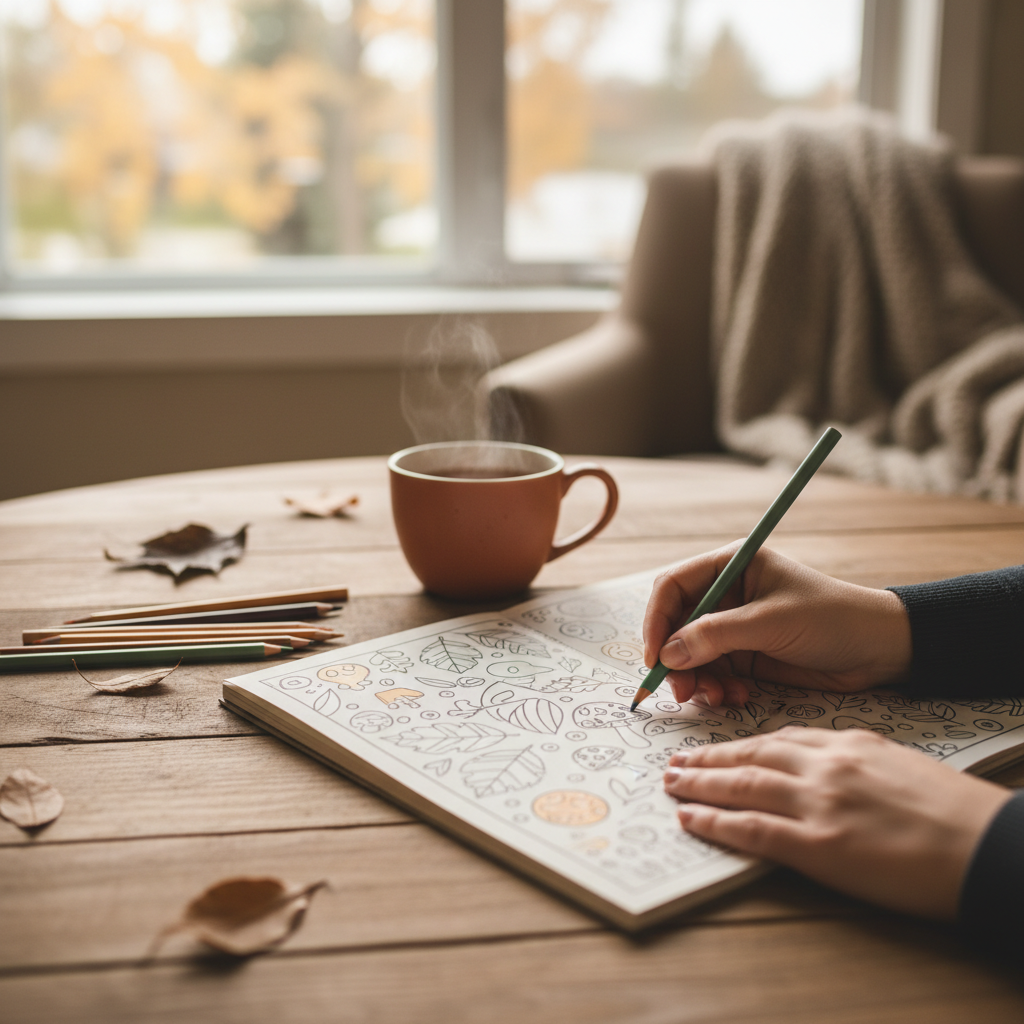
Quiet transitions can make or break an elementary school day. For educators across Barrie, Orillia, Innisfil, and throughout Simcoe County, finding low-prep, screen-free routines that help students reset between high-energy periods is a steady priority. Colouring is one of the simplest, most reliable tools available to create that calm window.
Providing children with paper, coloured pencils, and open illustration space offers a predictable reset. It gives busy minds a tactile, quiet task that requires neither screen time nor complex instruction, making it an accessible option for morning arrival, post-recess settling, or indoor recess afternoons.
Why Colouring Works as a Calming Classroom Reset
Classrooms are vibrant, stimulating spaces. Between group discussions, physical education, bell schedules, and collaborative projects, young nervous systems process immense amounts of sound and social cues every hour.
Introducing intentional colouring intervals can support students in shifting gears. Unlike free-form drawing on a blank page—which can occasionally overwhelm children who worry about what to draw—colouring within existing outlines offers gentle boundaries. The decision-making is small and manageable: which colour to pick up next, and where to lay it down.
Many educators find that this repetitive, tactile motion provides several practical benefits:
- Lower sensory load: Colouring requires zero audio input and no screen glare, allowing students' eyes and ears to rest.
- Self-directed pacing: A child can work slowly on a single shape or fill in larger background areas without pressure to rush.
- Universal entry point: Children of varying fine motor abilities and language fluencies can sit side by side and participate equally.
- Predictable structure: When used consistently during transitions, picking up colouring pencils serves as an unspoken cue that the room is entering quiet time.
Colouring does not replace teaching strategies or behavioural support, but it can serve as a dependable, calming buffer during naturally noisy times of day.
Practical Times to Use Colouring During the School Day
Setting up a quiet colouring routine works best when it matches the natural rhythm of your timetable. Educators throughout Simcoe County often build colouring into three distinct windows:
1. Soft Morning Landings (Arrival and Bell Time)
The first twenty minutes of the school day set the tone. Students arrive with varying energy levels—some rushed from the bus, others sleepy from the morning commute. Having a simple colouring station or an open page at each desk allows students to settle into the room immediately without asking what to do next.
2. The Post-Recess Transition
Coming in from the schoolyard after twenty minutes of running, shouting, and cold Simcoe County winter air often leaves a classroom buzzing with adrenaline. Moving immediately from the playground to direct math or language instruction can feel jarring. A five-to-ten-minute colouring transition lets heart rates slow and breathing settle before whole-group instruction begins.
3. Indoor Recess and Inclement Weather Days
From heavy winter snowstorms off Georgian Bay to rainy spring afternoons, indoor recess days are common in Central Ontario. When students cannot head outside to burn energy, small colouring circles provide an alternative to noisy board games or shared screens. Paired with soft background music or an audiobook, colouring keeps hands busy and voices naturally lowered.
Setting Up a Low-Friction Classroom Colouring Station
A quiet routine only stays quiet if the materials do not create bottlenecks or disputes. Here are practical ways to organize colouring supplies so the routine runs smoothly without constant teacher direction:
- Pre-sort supplies into table caddies: Instead of having one large communal bin where students dig and bump into each other, distribute small caddies containing pencils, crayons, or fine-tip markers across table clusters.
- Choose single-sided pages: Double-sided colouring sheets often cause frustration when marker ink shows through to the opposite illustration. Single-sided printing on substantial paper ensures that every student gets a clean, usable page that will not tear easily.
- Offer theme variety without complexity: Keep designs approachable. High-detail adult pages can cause wrist fatigue for younger learners, while overly childish sheets may disengage older elementary students. Balance is key.
- Display a "Work in Progress" folder: Many children dislike leaving an unfinished drawing behind. Giving students an individual pocket folder where unfinished pages live lets them return to their work during future quiet windows.
Choosing the Right Materials for Young Hands
When choosing colouring books or printed pages for the classroom, paper quality and design layout make a noticeable difference in student engagement.
Thin standard copy paper (typically 60 to 75 gsm) crinkles easily under pressure and bleeds through with everyday markers. Opting for books or pages printed on sturdier paper—such as 120gsm artist paper—helps students apply pressure with coloured pencils or water-based markers without ripping the page or ghosting onto the desk below.
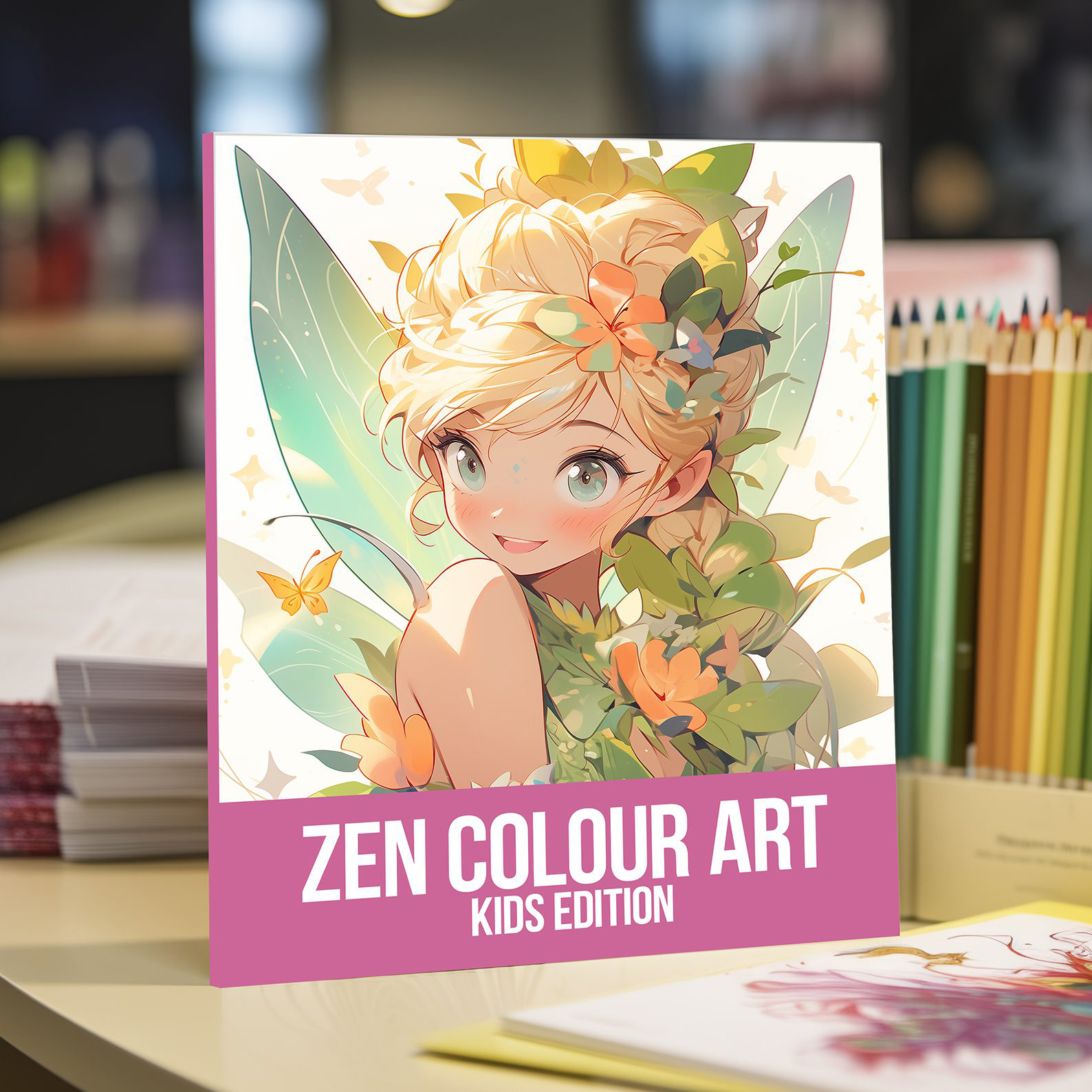
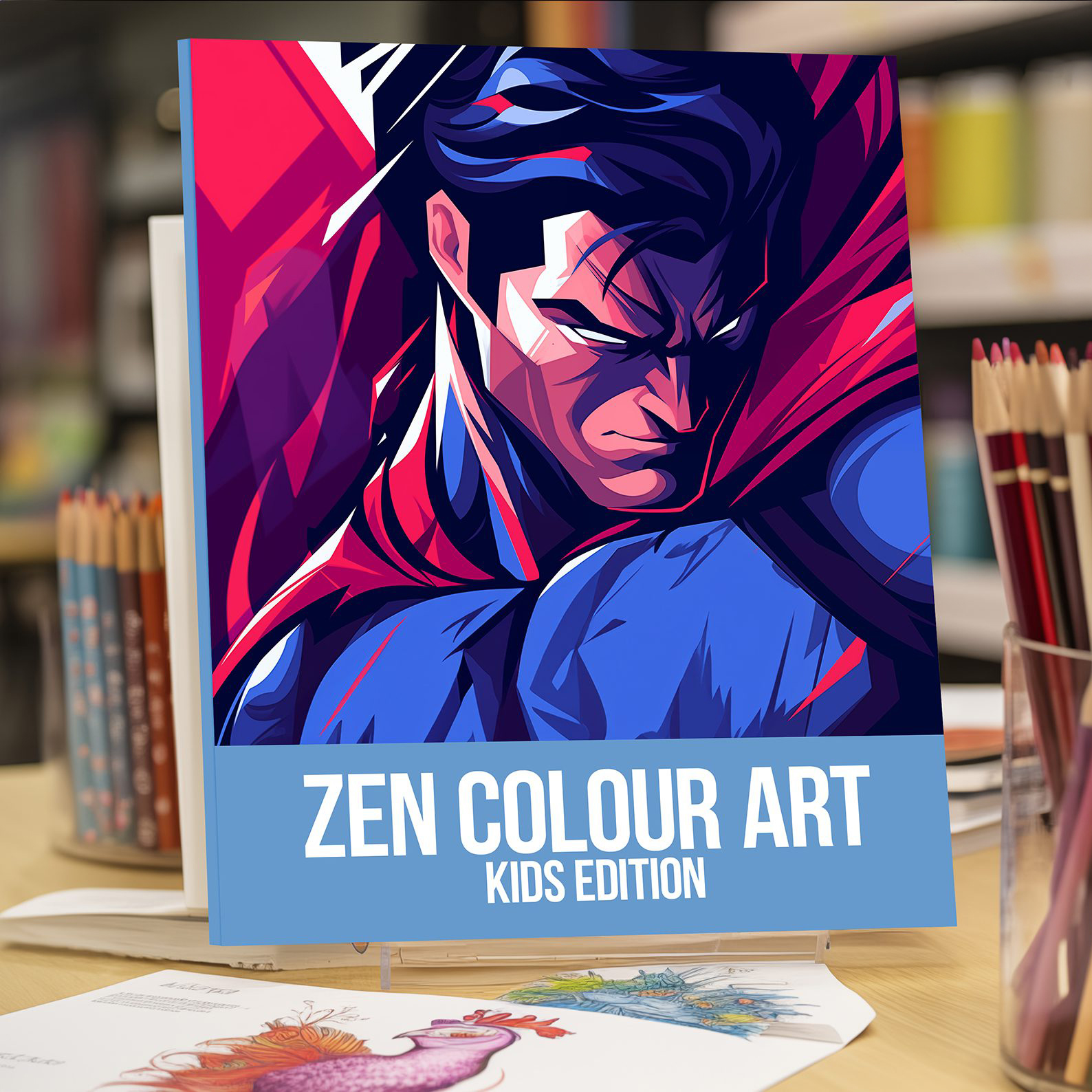
Line weight is equally critical for younger elementary students. For ages 4 to 8, broad outlines and generous white space make colouring enjoyable rather than frustrating. For children who enjoy imaginative scenes and character-led pages, collections like Kids Edition: Boys (featuring friendly animals and beginner adventure scenes) and Kids Edition: Girls (featuring whimsical fairy gardens and forest paths) provide bold, forgiving layouts. While titled around specific themes, both collections are open to every child who loves those illustrations.
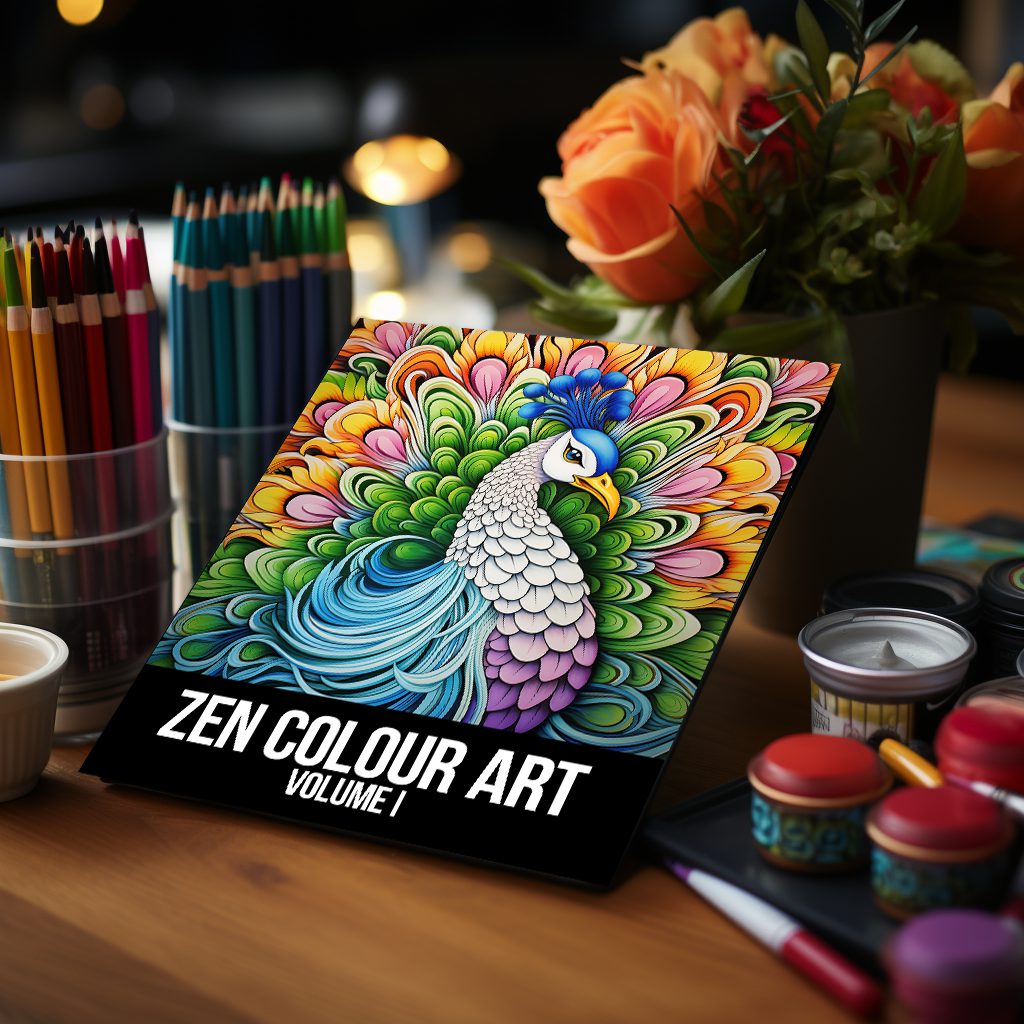
For educators working with older students or looking for quiet lunch-hour mindful time for themselves, detailed geometry and quiet florals—such as those in Mandala Edition or Volume 1—offer deeper focus and intricate line work.
Local Supply and Support Across Simcoe County
Zen Colour Art is based right here in Barrie, Ontario. Founded by Nicholas Lynn, our studio designs colouring books specifically around the idea of unhurried, calm creativity. Every book is printed on 120gsm acid-free artist paper with single-sided printing, so completed illustrations can be displayed on classroom bulletin boards or taken home to show families without marker bleed-through.
For local teachers, parent-teacher associations, and independent centres across Simcoe County, orders can be picked up directly at 101 Grace Crescent in Barrie to skip shipping fees. Free local delivery is also available across Simcoe County, making it easy to restock classroom sets, quiet corner supplies, or seasonal activities throughout the school year.
Whether you are looking to support students during stormy indoor recess days or simply want a smoother start to the school morning, a modest stack of quality pages and a cup of pencils can bring a steady sense of calm to your classroom.